A Brief Overview
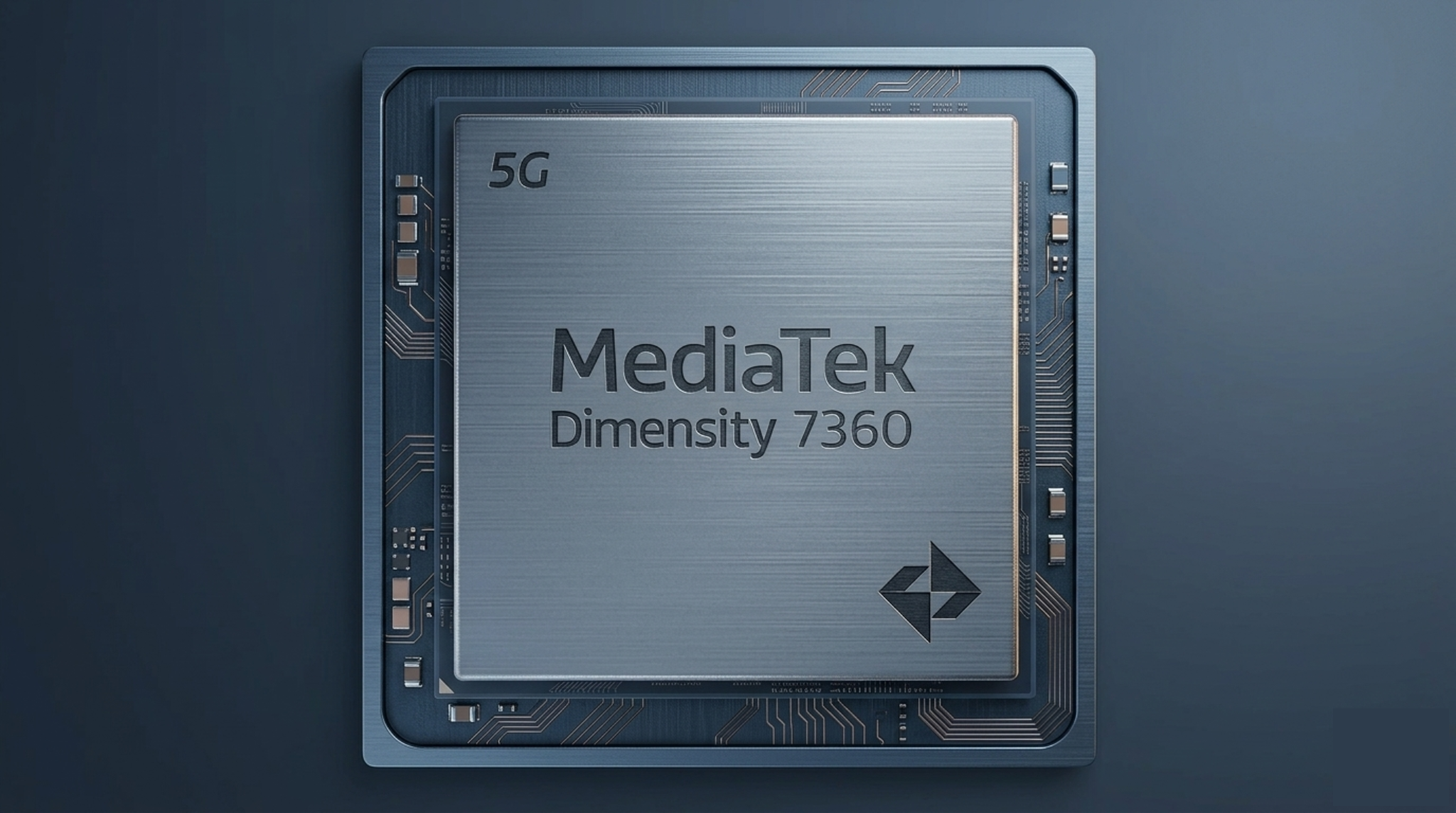
- The MediaTek Dimensity 7360 is a 4nm, octa-core 5G chipset designed for upper mid-range smartphones.
- It offers a strong balance of performance, power efficiency, and smooth multitasking.
- With Adaptive Gaming Technology 3.0, Imagiq 950 ISP, and NPU 655, it delivers stable gaming and advanced on-device AI features.
If you have been shopping for a mid-range 5G smartphone in 2026, you have probably come across a smartphone powered by the MediaTek Dimensity 7360. Announced on September 23, 2025, this 4nm-class chipset aims to deliver excellent power efficiency, smooth gaming, reliable multitasking, and advanced AI features all at a mid-range price.
In this post, we will walk through its specs, features, real-world performance, and how it stacks up against the competition so you can decide if it’s the right choice for you.
What is MediaTek Dimensity 7360?
At its core, the MediaTek Dimensity 7360 is an octa-core 5G smartphone chipset that is built on TSMC’s 4nm process. It’s part of MediaTek’s Dimensity 5G family and is primarily designed for upper-midrange Android smartphones.
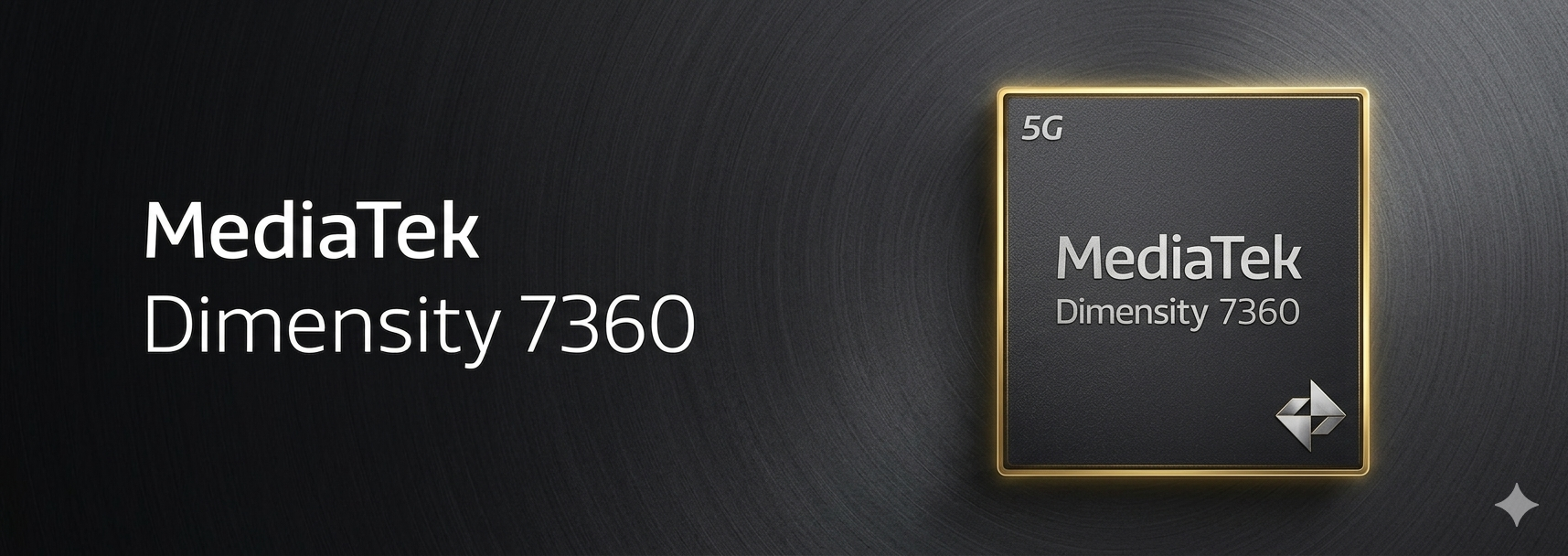
In terms of performance, the chipset features four Arm Cortex-A78 performance cores clocked up to 2.5GHz, along with four Cortex-A55 efficiency cores. This setup gives a nice balance between everyday speed and battery efficiency, making it suitable for both heavy tasks and daily use.
Now, the Dimensity 7360 is not a completely new chipset. Instead, it is widely seen by the tech community as a refined version of the Dimensity 7300.
The core hardware remains similar, but MediaTek has focused heavily on software optimizations and smarter algorithms, especially in areas like gaming, imaging, and connectivity. And that’s where you will actually notice the real-world improvements.
MediaTek Dimensity 7360 Specifications
| Specification | Details |
| Process Node | 4nm |
| CPU Cores | 4x Arm Cortex-A78 @ 2.5GHz + 4x Arm Cortex-A55 |
| CPU Cores | Octa-core (8 Cores) |
| GPU | Arm Mali-G615 MC2 |
| NPU | MediaTek NPU 655 (6th Generation) |
| ISP | MediaTek Imagiq 950 (12-bit HDR) |
| Display Engine | MediaTek MiraVision 955 |
| Max Camera | 200MP |
| Max Video | 4K HDR @ 30fps |
| Max Display | WFHD+ @ 120Hz / FHD+ @ 144Hz |
| RAM Type | LPDDR4x / LPDDR5 (up to 6400Mbps) |
| Storage | UFS 3.1 |
| 5G Modem | R16 with 3CC-CA (up to 3.27Gbps downlink) |
| Wi-Fi | Wi-Fi 6E (802.11 a/b/g/n/ac/ax), 2T2R |
| Bluetooth | 5.4 with LE Audio + Dual-Link TWS |
| GNSS | GPS, BeiDou, Glonass, Galileo, QZSS, NavIC |
| Dual SIM 5G | Yes, Dual 5G SIM with Dual VoNR |
| Announced | September 23, 2025 |
Gaming Performance: MediaTek Adaptive Gaming Technology 3.0
One of the biggest highlights of the Dimensity 7360 is MediaTek Adaptive Gaming Technology 3.0 (MAGT 3.0), which is a real-time optimization system that works at both the hardware and software levels.
It keeps an eye on performance, temperature, and gameplay in real time, adjusting things on the fly to keep everything smooth. The result is better visuals, stable performance, and less battery drain, without overheating.
What MAGT 3.0 Does:
- Maintains a consistent frame rate by dynamically adjusting GPU workloads
- Reduces unnecessary power consumption during less demanding scenes
- Supports Variable Rate Shading (VRS) in compatible game engines
- Ensures seamless 5G and Wi-Fi switching during online gaming
- Features Bluetooth LE Audio with Dual-Link True Wireless Stereo for low-latency gaming headsets
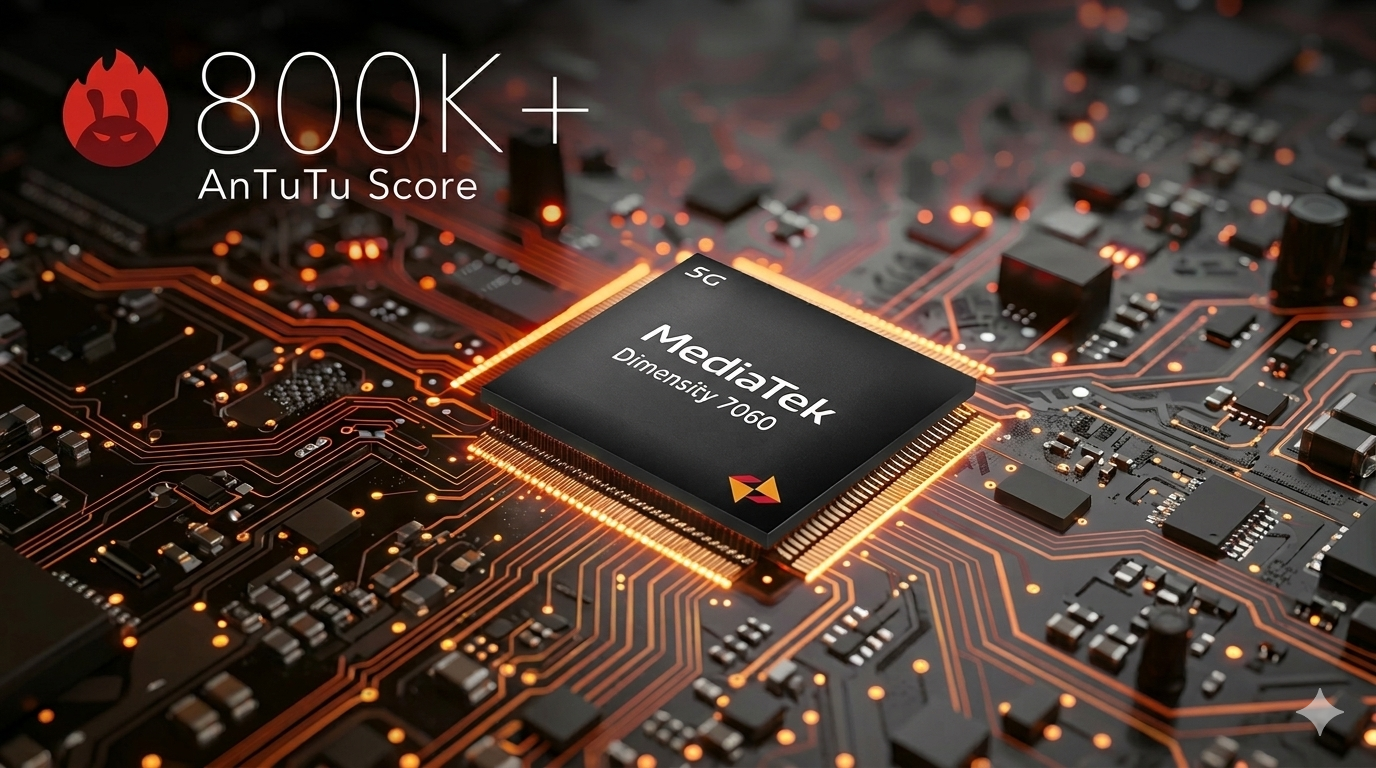
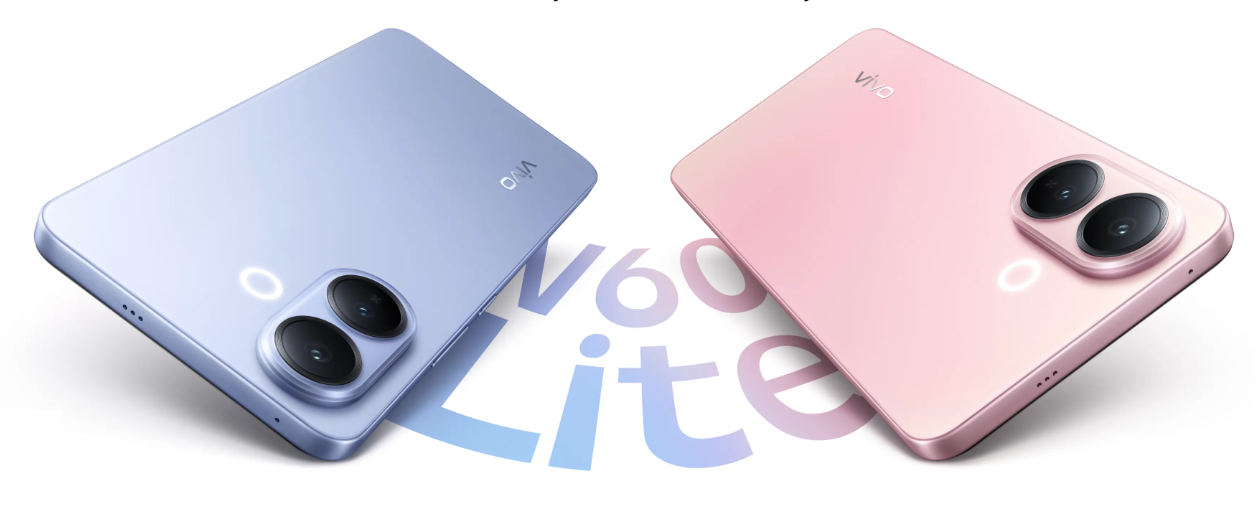
MediaTek claims the Dimensity 7360 can deliver up to 20% higher frame rates and around 20% better power efficiency compared to competing platforms. In terms of benchmarks, the chipset scores roughly 900,000 points on AnTuTu (based on devices like the Vivo V60 Lite 5G), placing it comfortably in the mid-range performance segment.
With that being said, it’s worth keeping in mind that the Dimensity 7350 is a closely related sibling that can outperform the 7360 in raw GPU benchmarks, thanks to its MC4 GPU configuration, compared to the 7360’s dual-core Mali-G615 MC2 setup.
However, with MAGT 3.0’s real-time optimizations, much of that gap is reduced in actual gameplay, where stability and efficiency matter just as much as peak performance.
Camera Capabilities: MediaTek Imagiq 950 ISP
If you are into smartphone photography, there’s a lot to like here. The MediaTek Imagiq 950 Image Signal Processor (ISP) is designed to bring flagship-level camera capabilities to the mid-range segment.
It’s a premium 12-bit HDR ISP that supports camera sensors up to 200 megapixels and Real-time HDR video, which means you can capture highly detailed photos with impressive dynamic range. In everyday use, this translates to better highlights, improved shadow detail, and more balanced shots even in challenging lighting conditions.
Imagiq 950 Key Features:
- Motion-Compensated Noise Reduction (MCNR) for sharper low-light shots
- Hardware-based face detection (HWFD) that’s fast and power-efficient
- 4K HDR video recording with over 50% wider dynamic range compared to competitors
- All-pixel autofocus and video EIS (Electronic Image Stabilization)
- Dual simultaneous video capture records from both front and rear cameras at the same time
What really stands out here is the 12-bit HDR pipeline. In simple words, it allows the chipset to capture much more tonal data in every shot. This results in smoother color gradients, better highlight and shadow detail, and fewer issues like banding or washed-out areas, even in tricky lighting conditions.
This is the kind of imaging capability you’d usually expect from flagship-level chipsets, which makes its presence in a mid-range processor like the Dimensity 7360 especially impressive.
Read More: Best 200MP Camera Phones in India (2026): Top 5 Picks Compared
Display Technology: MediaTek MiraVision 955
The MediaTek MiraVision 955 display engine is what powers all the visuals you see on your screen. It supports high-resolution WFHD+ (2520×1080) displays at up to 120Hz, along with Full HD+ panels at up to 144Hz, which makes it a great fit for smooth scrolling and responsive gaming.

In everyday use, this means richer colors, smoother motion, and a noticeably better viewing experience whether you are gaming, binge-watching, or just scrolling through your feed.
AI Computing: MediaTek NPU 655
The MediaTek NPU 655 is the dedicated AI engine inside the Dimensity 7360. As a 6th-generation NPU, it brings support for mixed-precision data types, allowing devices to run AI models more efficiently and delivering better accuracy without putting too much strain on battery life.
Here’s what that translates to in everyday use:
- Faster AI processing for tasks like scene recognition, portrait enhancement, and real-time translation
- On-device AI for smarter camera, display, and connectivity optimizations
- Powers AI-3A photography features, including intelligent autofocus, exposure, and white balance
- Supports AI upscaling and super-resolution video for improved visual quality on displays
Connectivity: 5G, Wi-Fi 6E, Bluetooth 5.4 & More
The Dimensity 7360’s 5G release 16 modem is one of its strongest highlights. With support for 3-component carrier aggregation (3CC-CA), it can utilize up to 140 MHz of spectrum, delivering peak 5G download speeds of up to 3.27 Gbps. In simple terms, that’s noticeably faster than what most mid-range chipsets offer.
All of this comes together to deliver faster speeds and more stable connections, and better efficiency, whether you are gaming online, streaming content, or just staying connected on the go.
Snapdragon 7 Gen 1 vs MediaTek Dimensity 7360
The MediaTek Dimensity 7360 vs Snapdragon 7 Gen 1 comparison is a really interesting mid-range battle. On one hand, the Snapdragon 7 Gen 1 is slightly behind in raw CPU performance and efficiency. On the other hand, the Dimensity 7360 is generally more powerful and efficient.
It also offers a faster 3.27 Gbps 5G modem, Wi-Fi 6E support, and more advanced gaming optimization through MAGT 3.0. It also has an edge in camera processing, thanks to the Imagiq 950 ISP.
Final Thoughts
Overall, the MediaTek Dimensity 7360 feels like a well-balanced chipset designed for everyday use. It focuses on what truly matters in daily life, like good efficiency, stable performance, decent gaming, solid camera support, and reliable connectivity. The result is a smooth, premium-like experience without the need to pay flagship-level prices.