Over the last few years, AI, or Artificial Intelligence, has evolved a lot. Now, AI can write essays, generate images, and summarize meetings. But despite how convincing these tools sound, they still have one major problem: they are known to completely make things up, and this phenomenon is known as AI hallucination.
An AI hallucination happens when an AI model generates false, misleading, or fabricated information while presenting it confidently as fact. If you use an AI tool like ChatGPT or Claude, you must have seen it invent a fake statistic, create a non-existent source, or confidently answer a question with incorrect information.
As AI tools become deeply integrated into smartphones, search engines, productivity apps, and workplaces, understanding AI hallucinations is becoming just as important as understanding the internet itself.
Why AI Hallucinations Matter More Than Ever
In 2026, AI tools started powering large language models, and they even started to appear in smartphones, web browsers, enterprise software, and even cars. The key issue is that most of us assume AI systems “know” things the same way humans do. Unfortunately, they do not.
At the end of the day, AI models are prediction engines. Hence, they will respond based on the patterns they have learnt over the years from massive datasets. However, they won’t truly understand facts, truth, or reality like you and I.

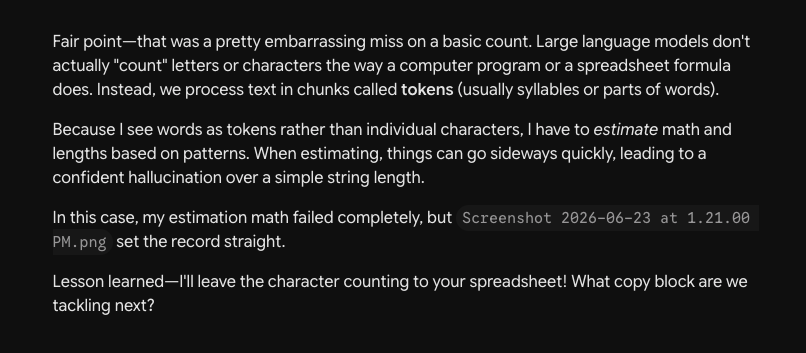
A hallucination might seem harmless when a chatbot recommends a fake movie title. But the risks become serious when AI calculates incorrectly or generates incorrect or potentially harmful medical advice, legal citations, and false financial information, among others.
In fact, two lawyers in the US were fined when they submitted nonexistent and fake quotes and citations for their cases, generated by AI. And this is one of the many examples of AI hallucinations. As such, it has become one of the biggest challenges in the generative AI era.
How AI Hallucinations Actually Work
To get to the bottom of AI hallucinations, let’s see how modern AI models work. Large language models, or LLMs, are trained on enormous datasets containing articles, forums, websites, code, and books. During training, the AI learns patterns between words, phrases, and concepts.
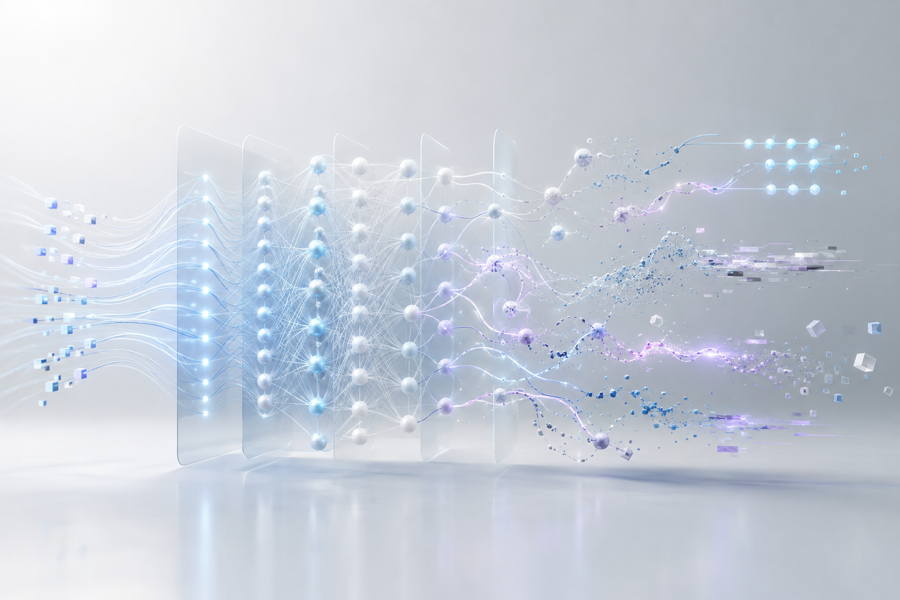
When you ask a question, the model predicts what words are most likely to come next and generates responses based on statistical probability. So if the model lacks reliable information, encounters ambiguity, or tries to fill gaps in knowledge, it may generate content that sounds logical but is entirely fabricated since it is not trying to search for the ‘actual truth”.
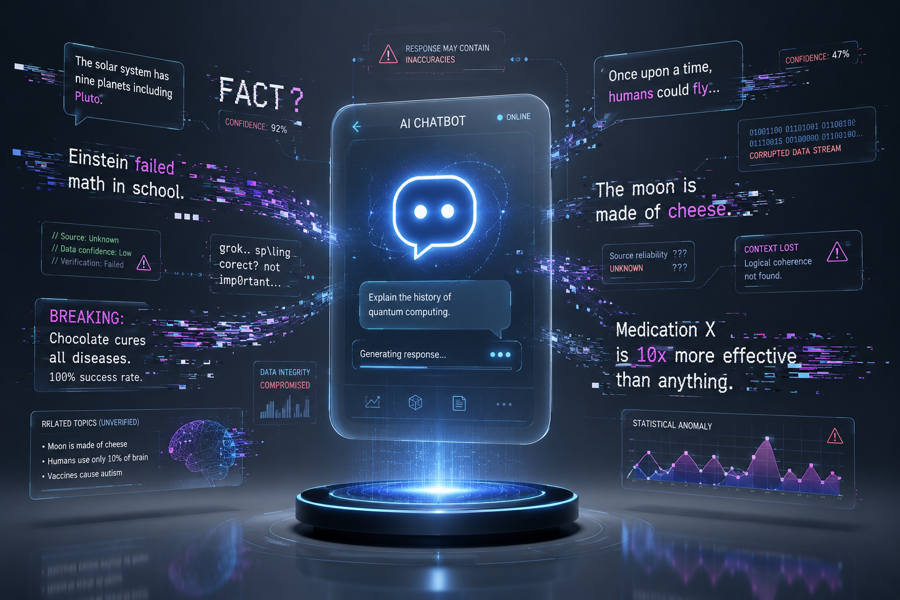
At the same time, many models lose track of earlier context in a long conversation or document. This is especially common in lengthy AI-generated summaries or coding sessions. More importantly, many AI systems are designed to avoid saying “I do not know.” As a result, they attempt an answer even when confidence is low.
Real-World Examples of AI Hallucinations
AI hallucinations are not theoretical. They are already causing real-world problems. In a widely reported case, the Delhi HC had junked a plea with fake quotes & cases created by ChatGPT. The quotes did not exist, but the chatbot presented them as legitimate.
And it is not only text. Even image generation models hallucinate. AI image tools may lose track of what you were actually creating.
Can AI Hallucinations Be Fixed?
While hallucinations are deeply tied to how generative AI models function. However, companies are actively working to reduce them through several approaches.
And well, you should always fact-check the answers that most chat models present. More importantly, you should be able to spot an AI hallucination. For instance, if the answer sounds overly confident without citing sources, or if you encounter fake statistics, broken links, or vague references, it should ring the warning bells.
Conclusion
Understanding why hallucinations happen is essential for anyone using AI tools today, whether on a smartphone, at work, or online. The more informed users become, the more effectively they can use AI without falling for its mistakes.
Want to stay ahead of the AI curve? Explore more deep dives, explainers, and emerging tech insights on SparkNherd and discover how the next generation of AI is shaping the future.