When it comes to Samsung flagships, the debate over what these chipsets will pack has been ongoing forever. If you can remember, Samsung phones with Exynos processors used to heat up more than Snapdragon models. However, things have now changed for the better, although the competition remains the same.
As is the norm, some of the Galaxy Samsung S26 models might be powered by the Snapdragon 8 Elite Gen 5, while the rest may use Samsung’s latest Exynos 2600 chipset. If we look at the early benchmarks, we can see that there is strong competition between the two in terms of CPU performance. However, the thermal behaviour and GPU differences may be something to watch out for.
Also See: Qualcomm Snapdragon 8 Gen 5: 5 Top Things to Know
Chipset Overview
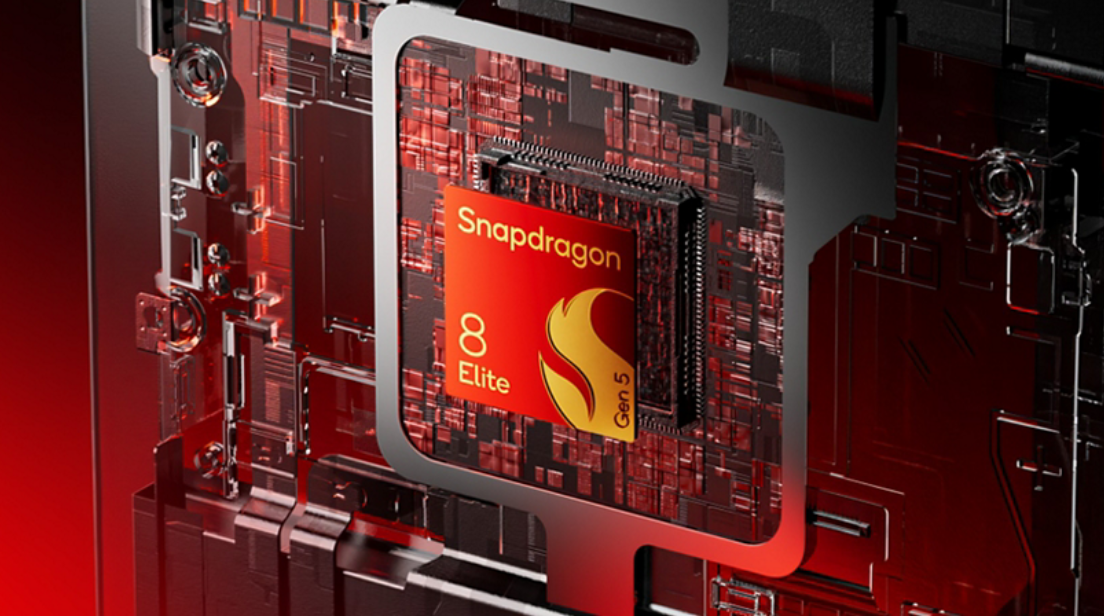
When we talk about the processor’s features, Qualcomm’s Snapdragon 8 Elite Gen 5 uses TSMC’s 3nm process, featuring an 8-core Oryon v3 CPU combined with an Adreno 840 GPU.
On the other side, the world’s first 2nm chipset will be Samsung’s Exynos 2600, featuring a 10-core ARMv9.3 CPU combined with an AMD Xclipse 960 GPU.
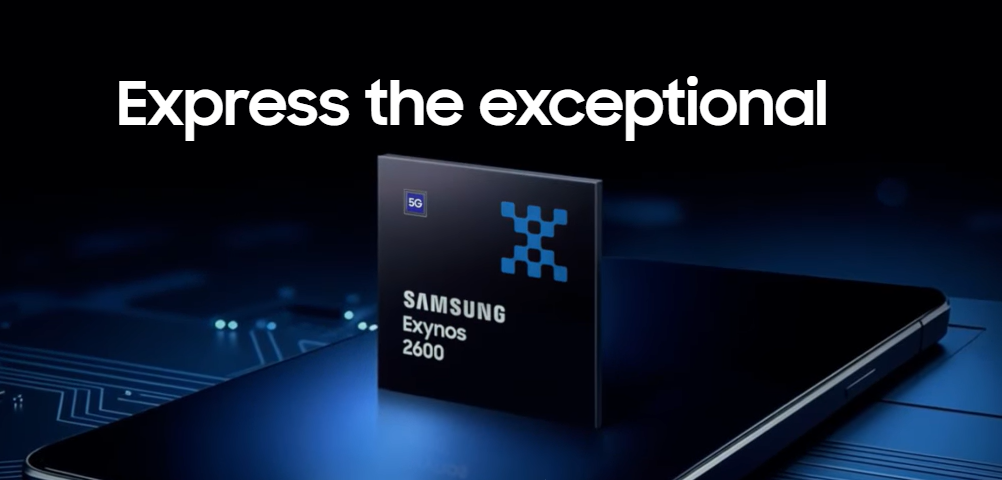
When it comes to AI, both chipsets integrate advanced NPUs for AI. Samsung claims that the Exynos 2600 will provide 113 percent NPU gains, whereas Snapdragon will be focusing on agentic AI.
Also See: Qualcomm Announces Snapdragon X2 Plus for Laptops at CES 2026
Snapdragon 8 Elite Gen 5 vs Samsung Exynos 2600: Benchmark Breakdown
With the benchmarks out of the way, let us take a look at the benchmark scores. Now, let me emphasize that these are not fully confirmed reports; instead, they are based on the leaks and rumors we have at the moment.
When it comes to the Snapdragon 8 Elite Gen 5’s performance, I will take the example of the iQOO 15. This flagship smartphone scored 3,588 in single-core and 10,207 in multi-core performance. On the other hand, the Samsung Exynos 2600 prototypes have scored around 3,309–3,455 in single-core performance and 11,256–11,621 in multi-core performance.
When it comes to AnTuTu, the Snapdragon flagship score is 3.74 million, while the Exynos chipset is believed to be near 4 million. These figures suggest that Exynos is giving strong competition, with the Snapdragon chipset edging out in single-core scores.
At the same time, the Exynos and Snapdragon chipsets provide similar multi-core performance. That said, it is worth noting that this is just a prototype at the moment, and we will definitely need a full device test to get a better comparison. Nevertheless, this gives us a glimpse of how the top chipsets from Snapdragon and Samsung will compete with each other.
Strengths and Weaknesses
If we talk about GPU performance, Snapdragon has a slight upper hand in GPU tasks like 3DMark and ray tracing, which is ideal for gaming on devices like the iQOO 15. On the other hand, the Exynos pushes efficiency with 39 percent CPU gains and 2x CPU compute, and no little cores for better sustained loads.
Both chipsets face heating issues. The Snapdragon chipset drops to 25% stability, but Samsung has claimed that the Exynos 2nm chipset will be focused on power saving for Indian users who are eyeing the Galaxy S26.
Is It Finally Exynos’ Victory?
With these specs on offer, we can say that the Exynos 2600 can give tough competition to Qualcomm’s Snapdragon 8 Elite Gen 5. As aforementioned, it will not be possible to declare a winner until we get the results of real-world testing of the chipset on the Samsung Galaxy S26. But, being the tech enthusiast that I am, it will be interesting to see the real-world performance of both chipsets.
FAQs
Which is better: Snapdragon 8 Elite Gen 5 or Samsung Exynos?
It’s too early to say if the Snapdragon 8 Elite Gen 5 will edge out the Samsung Exynos 2600 chipset.
Is the Snapdragon 8 Elite 5 better for gaming than Exynos?
As per the AnTuTu scores we have at the moment, suggest that Snapdragon is better for Gaming.