A Brief Overview
- Apple is shrinking Gemini to run on your iPhone, using a technique called Knowledge Distillation.
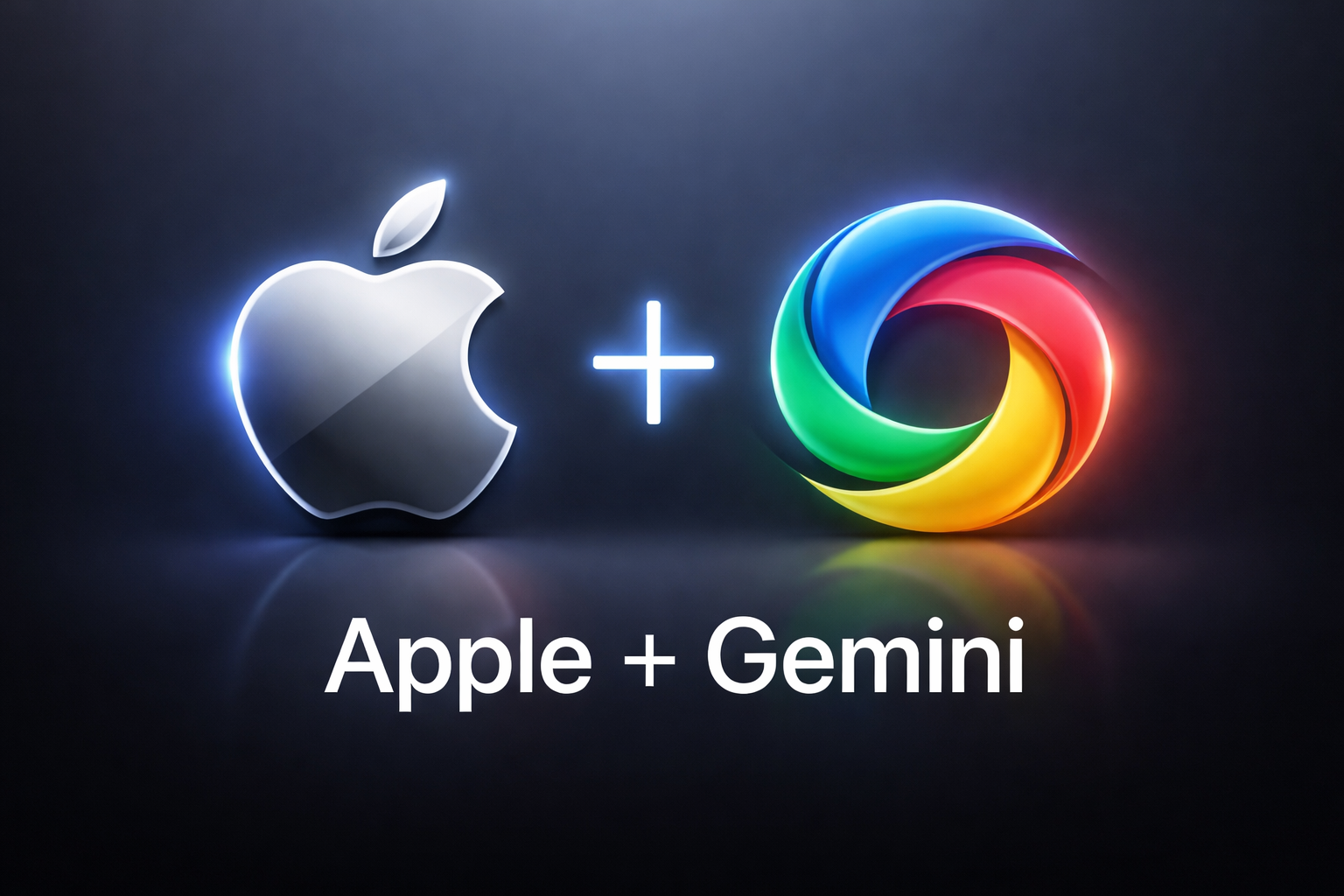
- Google’s brains, Apple’s rules: Apple chose Gemini as the most capable AI foundation for its Apple Intelligence suite.
- For Google, it means Gemini gets built into hundreds of millions of iPhones, giving it a huge new audience.
Apple is reshaping how artificial intelligence runs on the iPhone by distilling Google’s Gemini model into smaller, on-device-friendly variants, which are tailored for localized AI features.
Apple is betting big on running AI features directly on your iPhone, but still relying on Google for the heavy-duty brainpower behind it.
How Apple‘s Knowledge Distillation Works
Basically, Apple is using a technique known as Knowledge Distillation, where the engineers train a smaller and more efficient model by having it mimic the behaviour of a larger model foundation, in this case, it is Google’s Gemini.
The process involves feeding Gemini a series of tasks and then using its outputs and reasoning traces to guide the compact model, effectively teaching it to replicate Gemini‑level performance with far lower compute and memory demands.
Smaller models are also cheaper to serve and debug, opening the door to more frequent updates and better privacy since fewer inferences have to leave the device.
Why Apple Picked Gemini for Knowledge Distillation
The reason Apple chose Gemini is simple. After testing different AI models, Apple decided Gemini is the most capable and flexible base for its own AI suite, called Apple Intelligence.
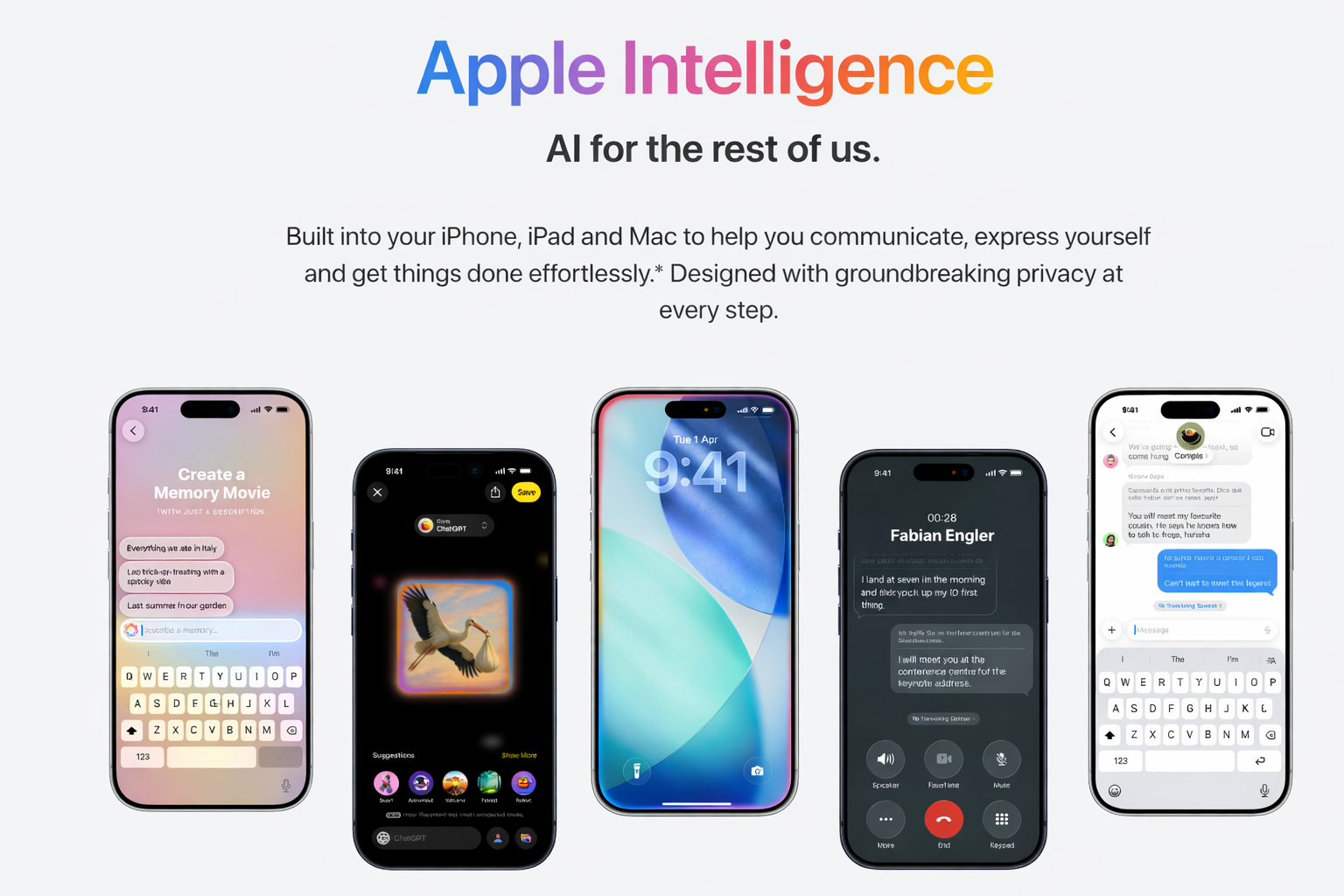
Through a multi‑year deal, Apple is using Gemini and Google’s cloud tech to power smarter Siri, better writing tools, and richer app suggestions across iPhone, iPad, and Mac.
At the same time, Apple says it will keep user data under its own privacy rules, promising that Google will not take that data for ads or outside tracking.
On-Device AI Features Coming to iPhone
On the iPhone side, these smaller, Gemini‑derived models are meant to handle localized AI features.
What does this mean? This means Siri can hold more natural conversations, understand what you are doing inside apps, and offer real‑time help without always sending requests to the cloud.
Smaller models also mean smoother performance and less drain on the battery, even on older or cheaper iPhones, so more people can use advanced AI features.
Competitive and Strategic Implications
For Apple, this distillation strategy is a smart middle ground: it leans on Google’s strongest AI brain but adapts it to work on Apple devices, not just in distant servers.
This helps Apple catch up in the AI race without building an entirely new cloud infrastructure from scratch. For Google, it means Gemini gets built into hundreds of millions of iPhones, giving it a huge new audience.
For users, it should mean a more responsive, private, and continuous AI experience that feels tightly woven into the phone, whether online or offline.