When you are shopping for a budget smartphone, even a small price difference can feel like a big decision. That’s the case with the Vivo T4 Lite and the Nova AI Plus 5G, which are priced around INR 8,500 and about INR 10,000 to 15,000.
The difference of INR 1,500 – INR 1,800 doesn’t sound huge at first. However, in the real world, it can change your entire experience. So, which one should you pick? We will make the job easy for you as we pit the Vivo T4 Lite against the Nova AI Plus 5G and see which one is the better budget smartphone.
Let’s get going.
Also See: Vivo V60e Full Review: Is it the Best Camera Phone Under ₹30,000?
Design and Build Quality
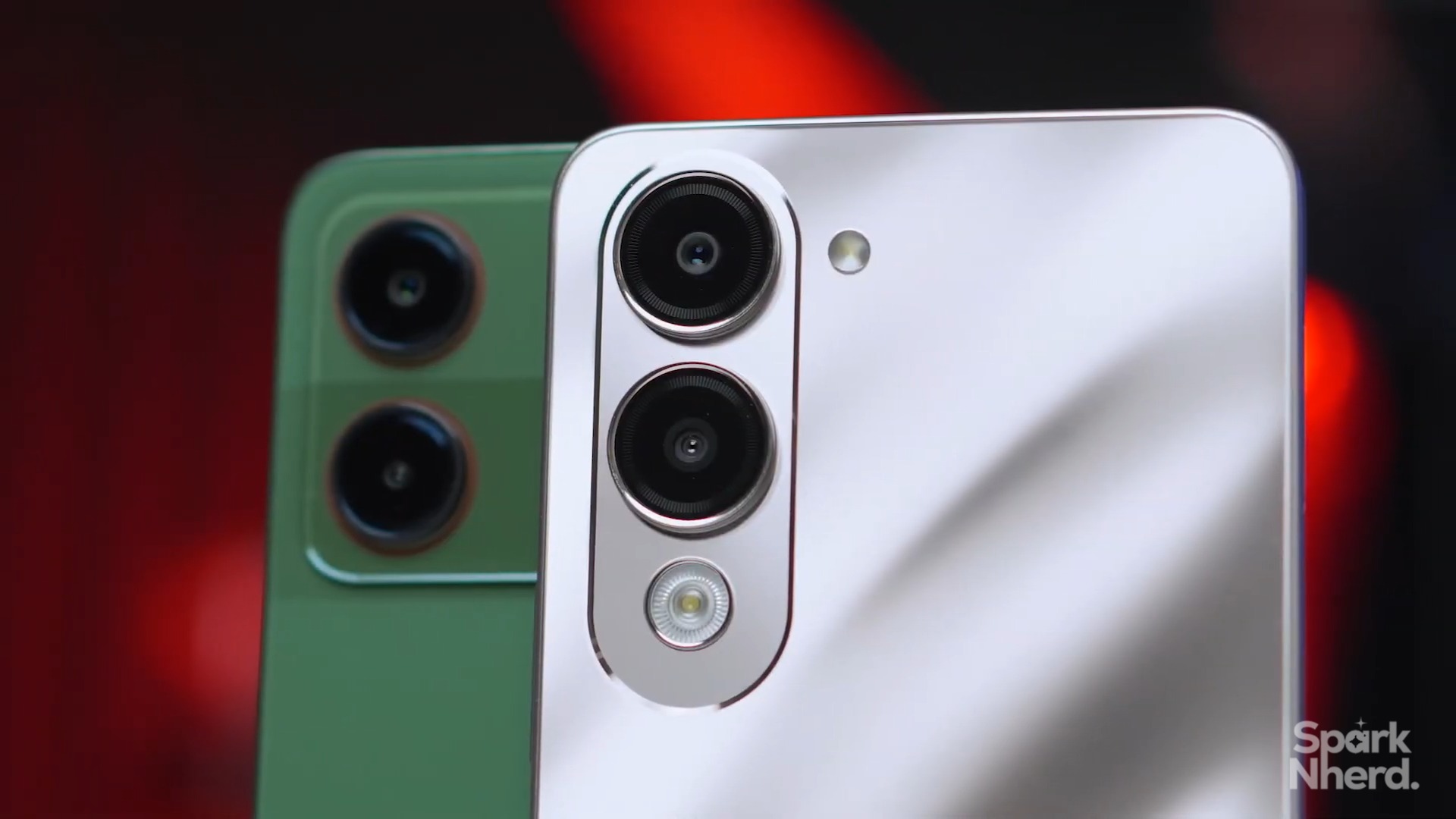
Both the Vivo T4 Lite and the Nova AI Plus 5G come in a plastic frame, which helps keep the price down. That said, this addition robs the phones of the “premium” look.
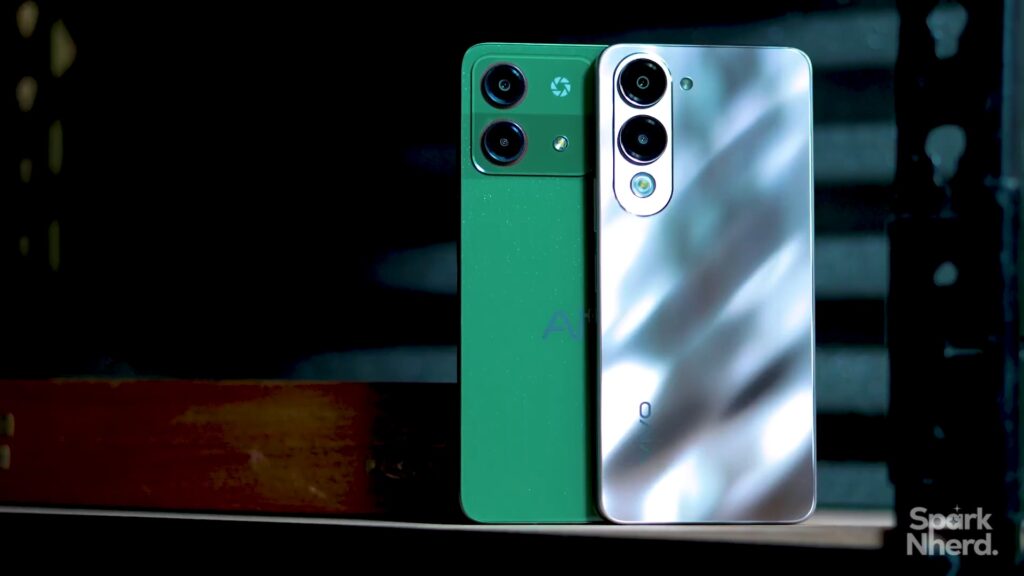
Weight-wise, these phones are nearly identical, and both carry an IP54 rating. That means they can handle splashes, a bit of rain, and dust without trouble. That said, just don’t expect the kind of rugged durability you would otherwise get from a flagship phone.
Display Experience
On paper, the Nova AI Plus seems to have the edge, thanks to the 120Hz refresh rate. However, the built-in TFT panel doesn’t always deliver the best visuals. Vivo, on the other hand, offers a 90Hz IPS LCD panel with a peak brightness of 1000 nits.
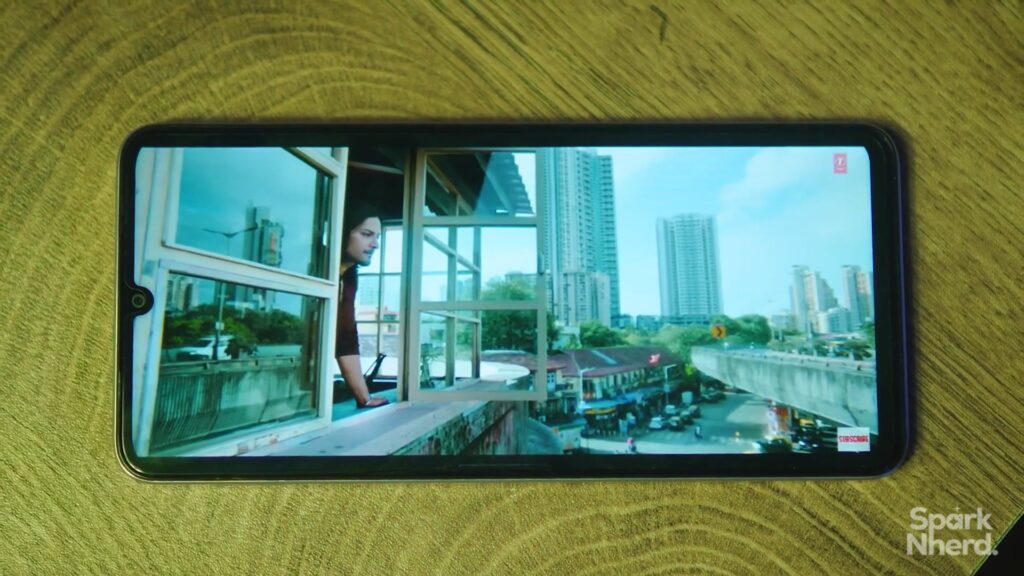
While 120Hz sounds exciting, especially for gamers, in practice, most budget games don’t even take advantage of that refresh rate.
Vivo really pulls ahead when it comes to brightness and outdoor visibility. With higher brightness, the T4 Lite’s screen is easier on the eyes whether you are watching videos or just browsing outdoors. Naturally, both displays look perfectly fine indoors. In short, Vivo’s screen definitely has the edge in day-to-day use.
Performance and Software
When it comes to budget phones, performance is usually the deal-breaker. The Nova AI Plus runs on the Unisoc T8200 chip, while the Vivo T4 Lite relies on MediaTek’s Dimensity 6300. Both are built on the power-efficient 6nm process, and both brands promise UFS 2.2 storage.
But here’s a slight catch. In real speed tests, the read and write speeds feel more like older eMMC storage. So when it comes to real-world usage, neither of the phones really delivers on those storage claims.
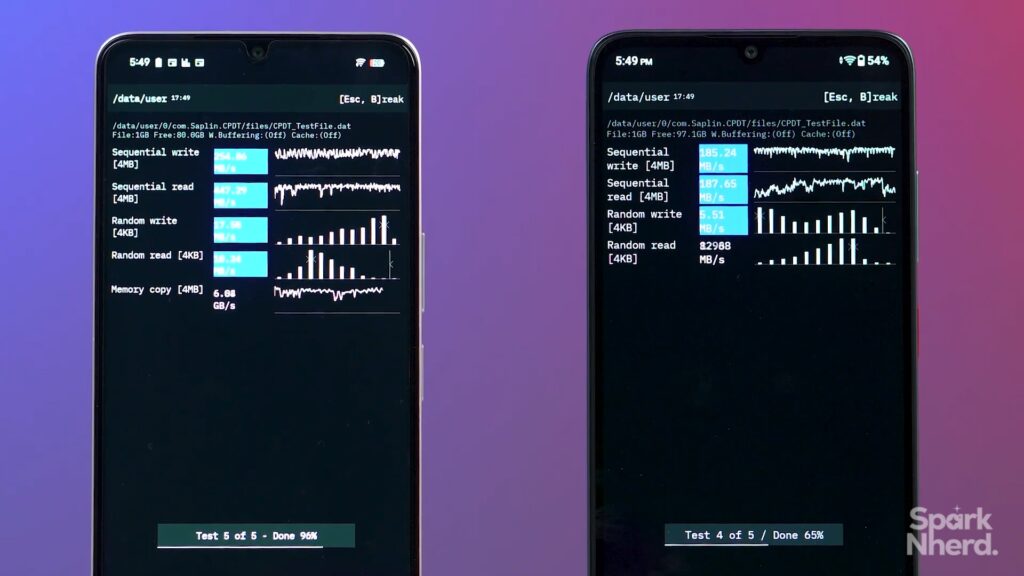
When it comes to overall smoothness, Vivo takes the lead again. Its software has been polished over the years, so the experience feels stable and bug-free.
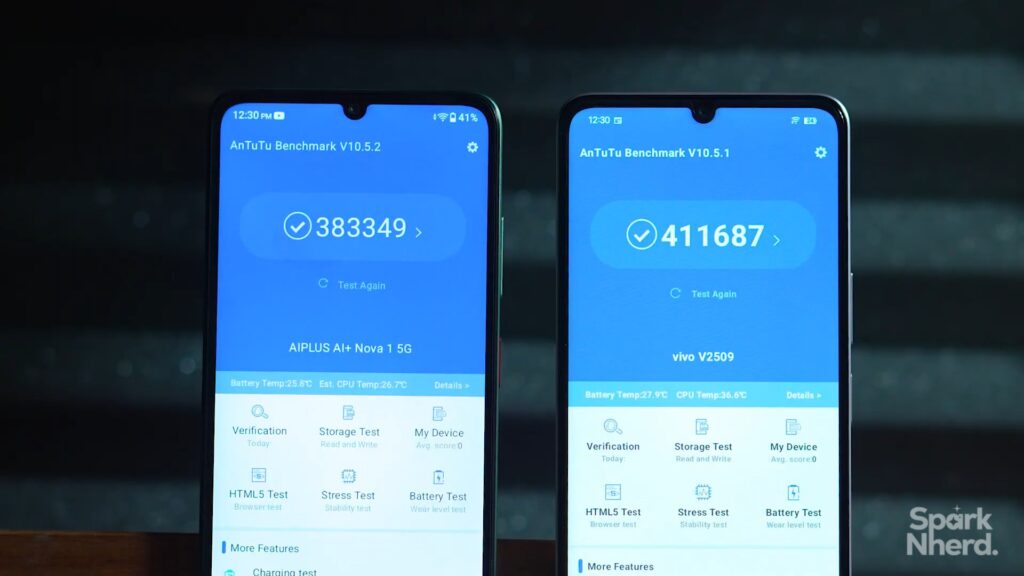
On the other hand, Nova’s new Quantum OS is still pretty fresh. They’ve already pushed an update to remove the pre-installed Chinese apps, but the question of their long-term reliability still lingers.
On top of that, Vivo promises two major Android updates and three years of security patches, while Nova only offers one update and two years of patches. That extra support makes Vivo the safer bet if you’re thinking long term.
Gaming and Everyday Use
Before we start, let me tell you that these phones are not really built for heavy gaming. So if you try running demanding titles, you will notice stutters and lag on both. However, for lighter games, social media scrolling, and everyday multitasking, they perform well without overheating.
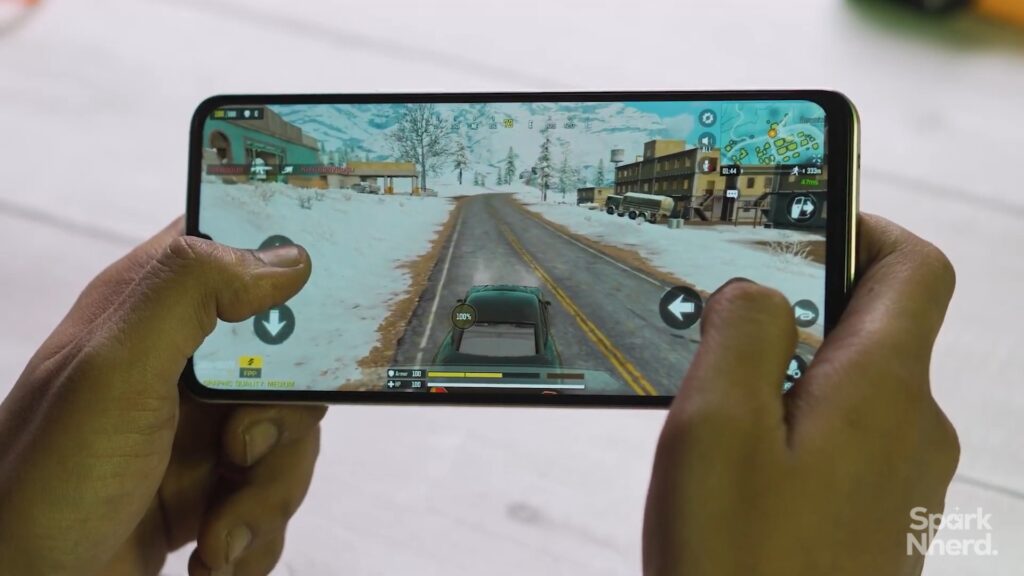
In short, if you are a casual user, they will feel smooth enough. But if you expect flawless performance on high-end games, you will need to consider a more premium device.
Camera Performance
The cameras on budget phones are rarely impressive. With that said, Vivo still manages to stand out.
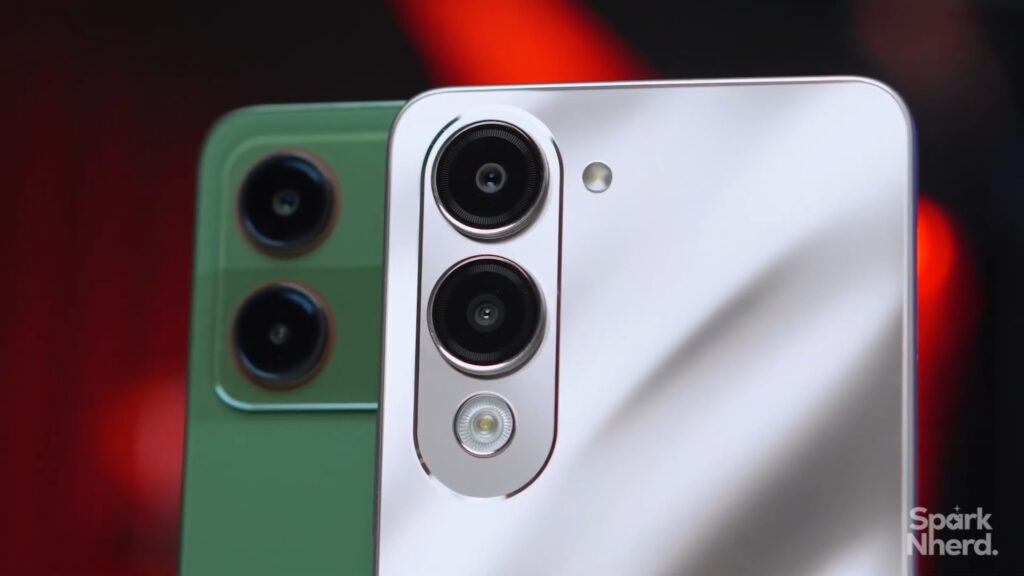
The T4 Lite features a 50MP Sony sensor that produces better daylight shots than the Nova AI Plus. While the difference is not dramatic, the photos from Vivo tend to look cleaner and more vibrant.


When it comes to selfies, both phones are fairly average. At times, they deliver good results. That said, at this price point, you can only expect simple point-and-shoot quality. Naturally, you will have to touch them up before posting them.

If camera performance is your top priority, you will need to look closer to the INR 18,000– INR 20,000 range for something more reliable.
Battery and Charging
Battery life is another area where Vivo takes the lead. The Nova AI Plus comes with a 5,000mAh battery paired with an 18W charger, while the Vivo T4 Lite offers a larger 6,000mAh battery and a 15W charger.
In real-world use, both phones need around 2 to 3 hours for a full charge. And truth be told, the difference between 15W and 18W charging speeds is hardly noticeable. The extra capacity on the Vivo does provide longer-lasting power, although it does add a bit of extra weight to the phone.
Long-Term Value and Resale
When you look past the specs, long-term value really matters. Vivo has a stronger service network across India, a better history with software updates, and it usually holds a higher resale value than a lesser-known brand like Nova.
The INR 1,500 you save with Nova today might feel good upfront, but it could end up costing you more later once you consider updates, support, and how much the phone will resell for.
Final Verdict
If you are working with a strict budget under INR 9,000, the Nova AI Plus 5G is a decent pick. It gives you 5G at an entry-level price, which is hard to ignore. However, if you can stretch your budget just a little further, the Vivo T4 Lite feels like the smarter buy. Its brighter screen, cleaner software, slightly better camera, and bigger battery make it a phone you can rely on day to day.
Spending that extra INR 1,500 is less of a splurge and more of an investment in smoother performance, dependable updates, and better resale value down the road. If you want peace of mind and a phone that holds up over time, the Vivo T4 Lite is the one I would go for.