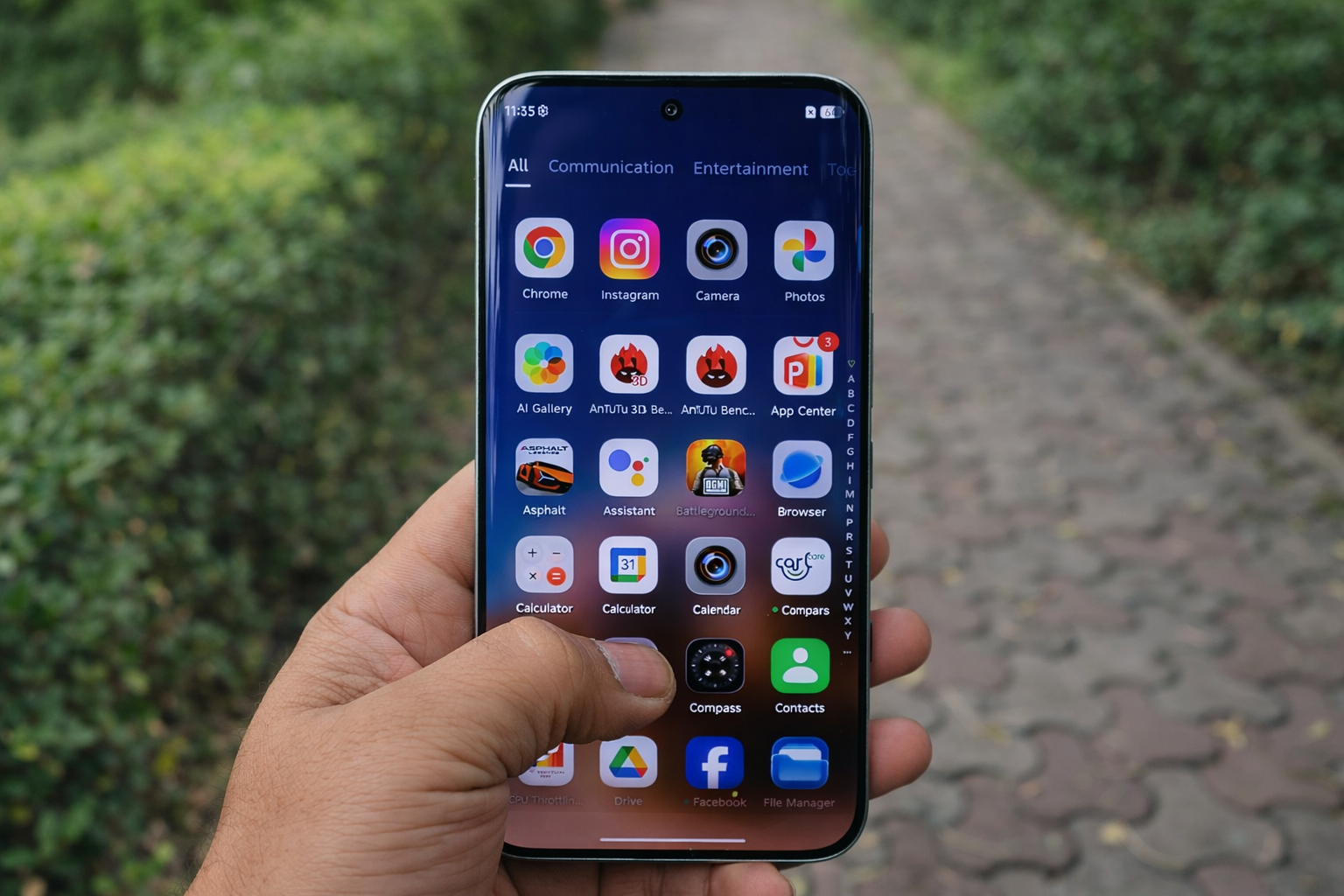
I still remember when curved displays first appeared on smartphones and made everyone stop and stare. The elegant, futuristic design was popularised by Samsung on its Galaxy Edge devices. And from that point onward, almost every major brand in the smartphone market began adopting curved displays on their phones.
And what started as a premium feature soon made its way into midrange smartphones as well. However, in recent years, we have seen smartphone companies return to flat displays, even in their premium models. And that naturally raises the question — why are flat displays replacing curved screens on smartphones?
Also See: Why Smartphone Battery Capacities are Getting Bigger
Curved Screens: A Deeper Dive
Curved display smartphones rely on OLED (Organic Light Emitting Diode) technology because of its structural flexibility. Unlike traditional LCD panels, OLED displays use organic compounds deposited on flexible substrates, which allows manufacturers to bend the panel without compromising image quality. This flexibility makes curved screen designs feasible.
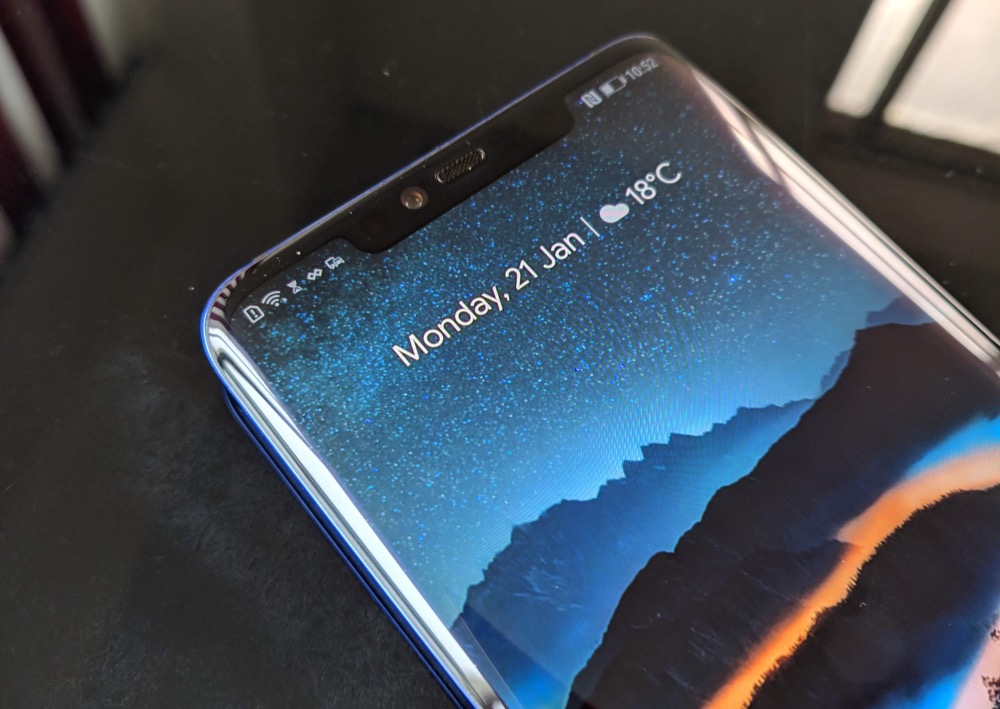
Beyond form factor advantages, OLED technology offers strong visual performance. It delivers high contrast ratios, vibrant colour reproduction, and true blacks by switching off individual pixels rather than relying on a backlight. As a result, curved OLED panels make a phone feel more high-end, and this drove their adoption in premium smartphone segments.
However, creating that curved glass and flexible OLED panel is not simple. The manufacturing process is more detailed and requires advanced engineering, which makes it costlier than producing regular flat screens.
Because of this, brands often price curved display phones a little higher, since the added production cost eventually reflects in the final price you pay. At the same time, curved displays are more fragile and screen protectors generally fall short when it comes to protecting the edges.
Also See: Will Premium Smartphones Get More Expensive With the Smartphone Memory Shortage?
Flat vs Curved Smartphone Displays
Increased Damage Risk
One of the key disadvantages of curved screens is that its fragile. People get a mini heart attack when they see their phones dropping from even minor heights, and with curved displays, this goes even further. The screen guards for such smartphones are also more expensive.
Lower Manufacturing Yield
Curving a display is not as straightforward as it may seem. The bending process demands a high level of precision, and even a tiny flaw during assembly can mean the entire panel cannot be used.
Before they are securely fitted into a phone’s frame, curved OLED panels are also more fragile and need to be handled with extra care. Although manufacturing has improved greatly over the years, curved displays still call for tighter quality checks and more careful treatment than flat screens smartphones.
Cost of Production
Curved display smartphones’ panels require precise binding of flexible display layers under heat to maintain the curve, and they need high quality and flexible substrates that add to overall cost.
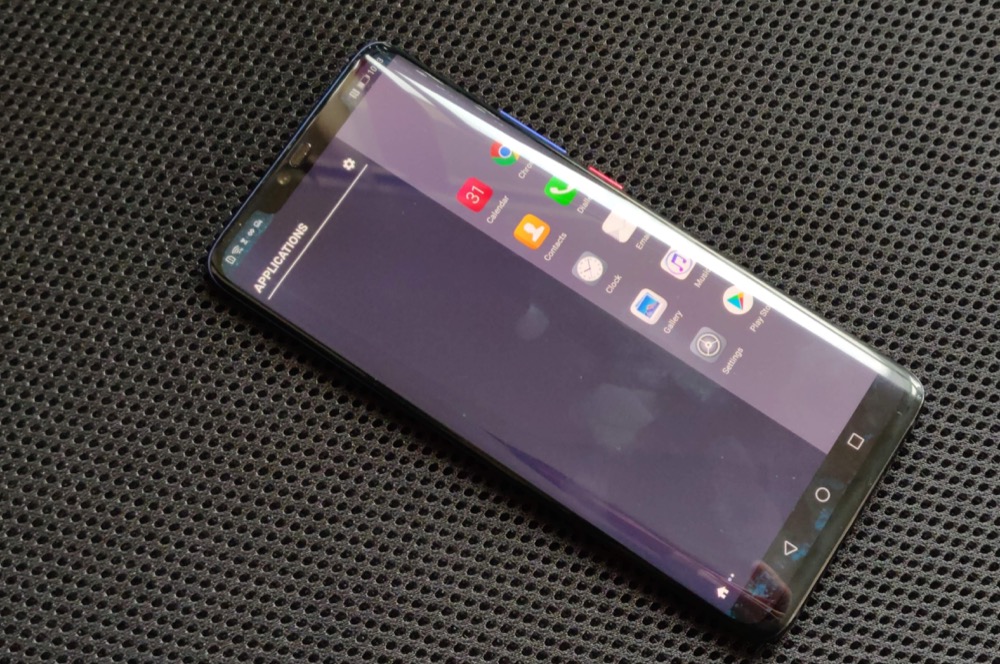
If you look around, screen guards for curved displays are more expensive than regular screen guards.
Technological Limitations
Integrating a curved display into a smartphone is not as simple as placing a bent screen on the front. The entire frame of the phone has to be carefully designed to match the curve perfectly.
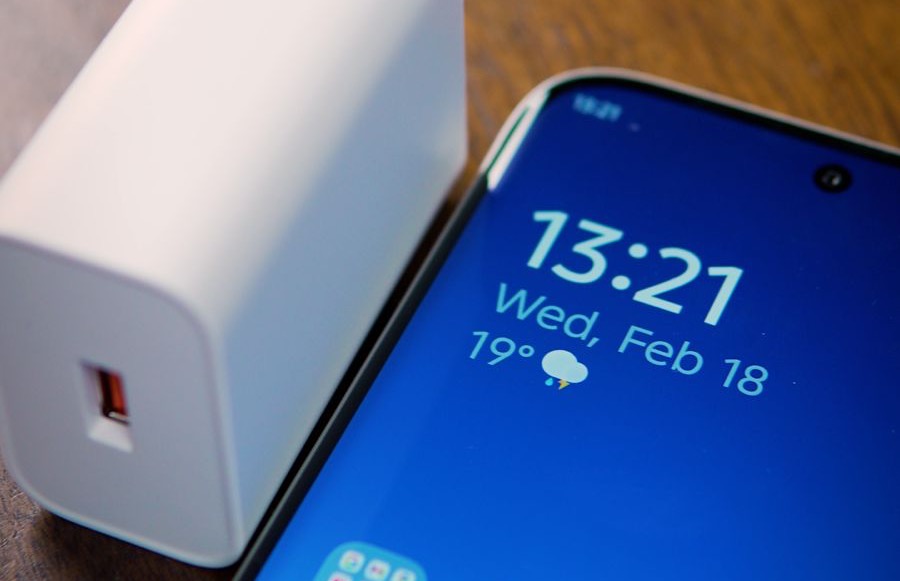
While modern factories are well equipped to handle this, the process requires more precision and attention to detail, which adds to manufacturing costs. Over time, those higher production expenses are reflected in the final price, which is why smartphones with curved displays often cost more than similar models with flat screens
Unintended Touches
Even a light or unintentional touch along the curved edge can sometimes trigger an action on the screen. This becomes especially frustrating during gaming.
In fast-paced titles where every second matters, a small accidental touch can interrupt movement or aim.
The Real Reason Behind the Shift
The shift back to flat displays is not about stepping away from innovation. It is about finding the right balance between good design, everyday practicality, and sensible pricing.
Curved screens marked a bold phase in smartphone design. They gave devices a striking, immersive, and modern look that instantly stood out. But as the market evolved and users became more practical in their expectations, everyday usability began to matter more than visual flair. for one, flat display come with quite a few advantages,
- Better durability
- Lower repair costs
- Fewer accidental touches
- Easier protection
- Improved manufacturing efficiency
That combination makes them a smarter long-term choice for both brands and consumers.