Writer’s block doesn’t care if you are a bedroom singer or a Grammy and Sangeet Natak Akademi chasing songwriter. In 2026, AI songwriting tools have become the co-writers that never sleep, and the best ones are rewriting how music gets made. Here’s your no-fluff guide.
Did you Know: Over 87% of independent creators now use AI-powered tools for music or sound projects in 2026. If you’re not leveraging AI songwriting software, you’re writing with one hand tied behind your back.
Grok
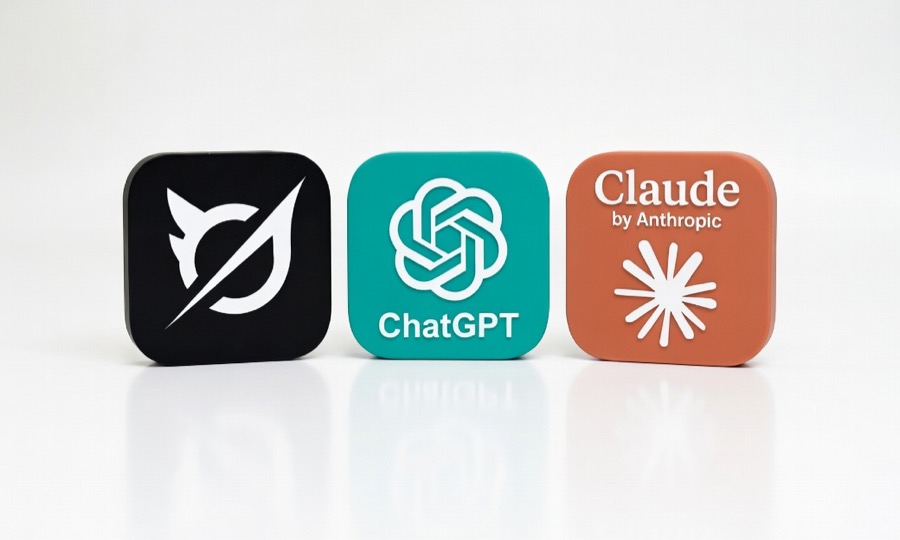
When it comes to AI songwriting, Grok writes them like a frontman who just lived through something real. Trust me when I say this. In fact, Grok ranked #1 for musical quality after testing other AI tools, specifically for its understanding of emotional arc and energy across a song’s journey.
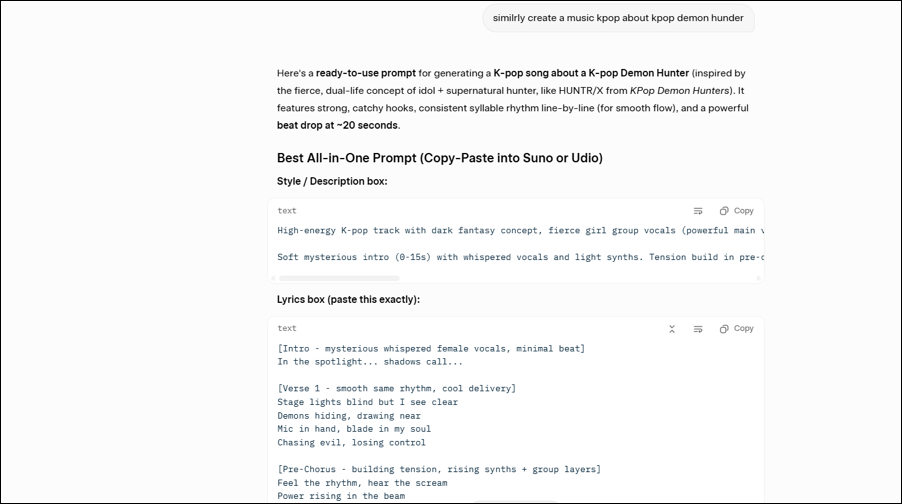
For AI songwriting for beginners, Grok’s conversational, less-restricted style means you can describe a vibe, and it delivers something that feels like music, not a template. You can ask it for a “heartbreak chorus with a triumphant twist,” and it won’t just give you the words. It gives you the moment.
Also, use specific emotional prompts. Instead of “write a sad song,” try” write a chorus about the silence after someone leaves, where the person is trying to convince themselves they’re fine. This is the specificity where Grok shines.
ChatGPT
Is ChatGPT good for songwriting?. As much as you don’t believe me, the answer is yes, if you know how to frame the ask. ChatGPT approaches music as a structured sequence with correct harmonic relationships.
If you’re a professional songwriter using AI tools, ChatGPT feels like the most reliable tool to work with. From what I’ve seen, it’s really strong at building clean verse–chorus–bridge structures and keeping everything technically sound.
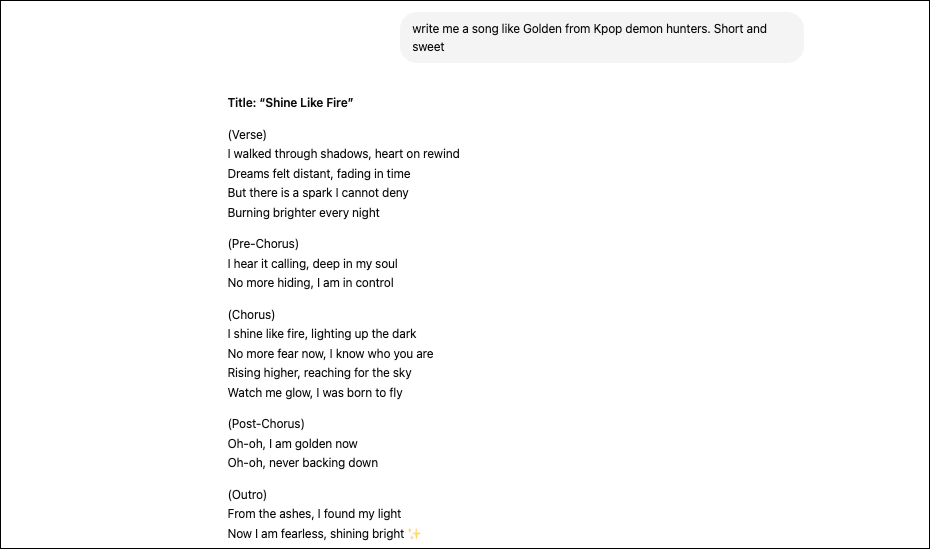
When I tested it for lyric writing, it consistently gave well-structured and polished outputs with good rhyming and smooth flow. It doesn’t feel messy or random. It feels organized and ready to use.
Another big plus is how reliable it is from a workflow point of view. The output is clean and easy to work with, so you can directly plug it into your production process without spending too much time fixing things.
You can pair ChatGPT with a free AI music generator like Suno or Udio and use ChatGPT to write and refine the lyrics, then feed them into a full-track AI music tool. This hybrid workflow is quickly becoming the best practice for AI-assisted music production in 2026.
Claude AI
Claude became a widely used tool among beginner songwriters in 2026. Compared to other AI models, it approaches songwriting more like language, paying attention to pacing, phrasing, and natural rhythm. This makes the lyrics feel more natural to sing and less mechanical.
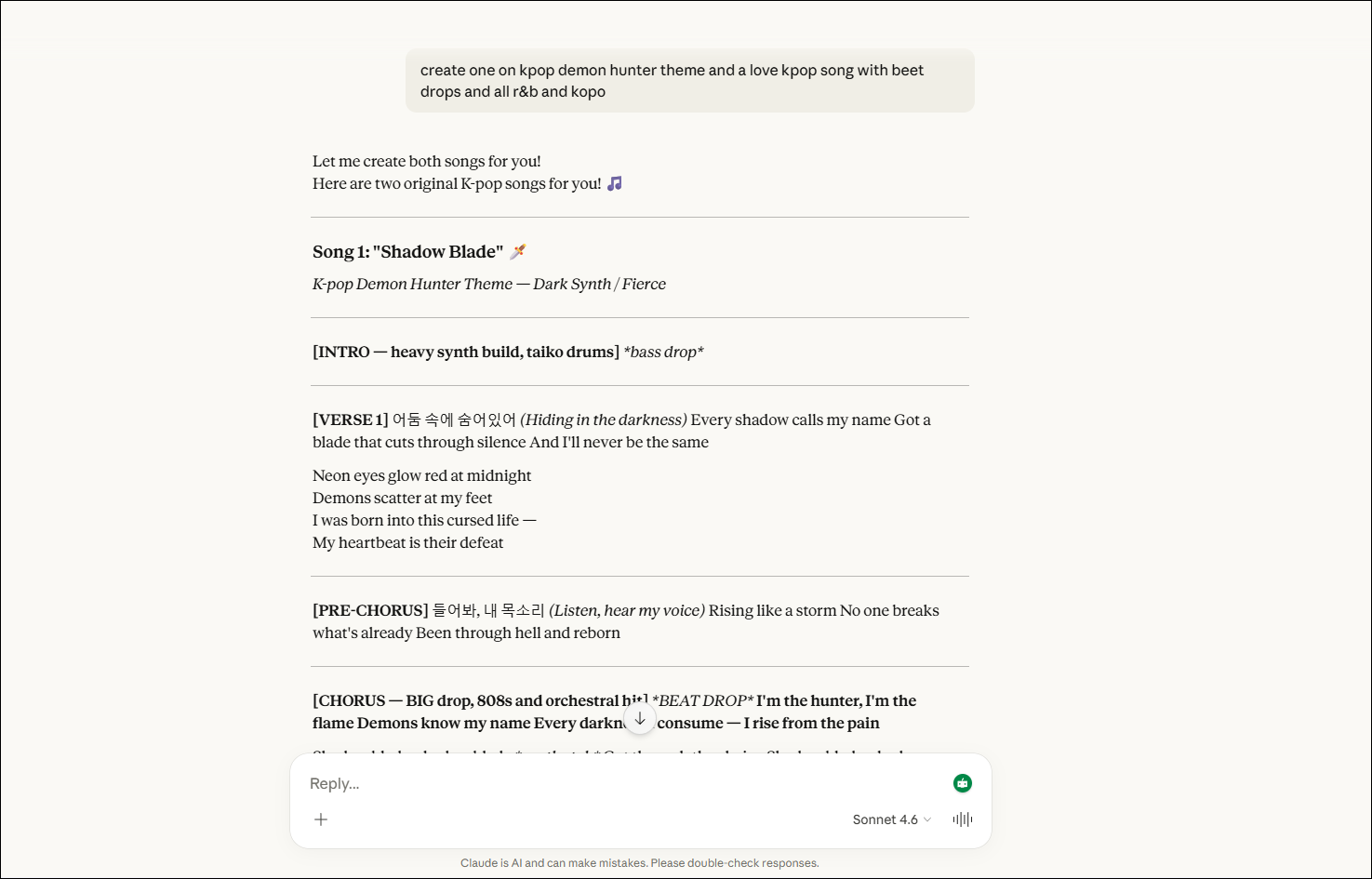
In various comparisons, Claude often stands out for its emotional depth. The lyrics it generates tend to feel more personal and expressive, handling complex emotions in a way that sounds genuine and human.
It also supports large context inputs, allowing it to maintain consistency across multiple songs. This makes it useful for projects where a consistent tone or narrative is important.
Claude works particularly well for genres like folk, country, indie pop, and singer-songwriter styles, where storytelling and emotional expression are key.
Final Thoughts
In 2026, the best AI songwriting tools for beginners and pros aren’t the ones that do the most, but are the ones that get out of your way at the right moment. Would you use AI to generate lyrics for your musical journey?
FAQs
Is ChatGPT good for writing song lyrics?
Yes, ChatGPT is great for structured, polished lyrics with proper flow and rhymes.
What is the best free AI songwriting tool in 2026?
Grok, ChatGPT, and Claude are some of the best AI songwriting tools in 2026.
Can AI replace human songwriters?
No, AI assists creativity but can’t fully replace human emotion and lived experience.