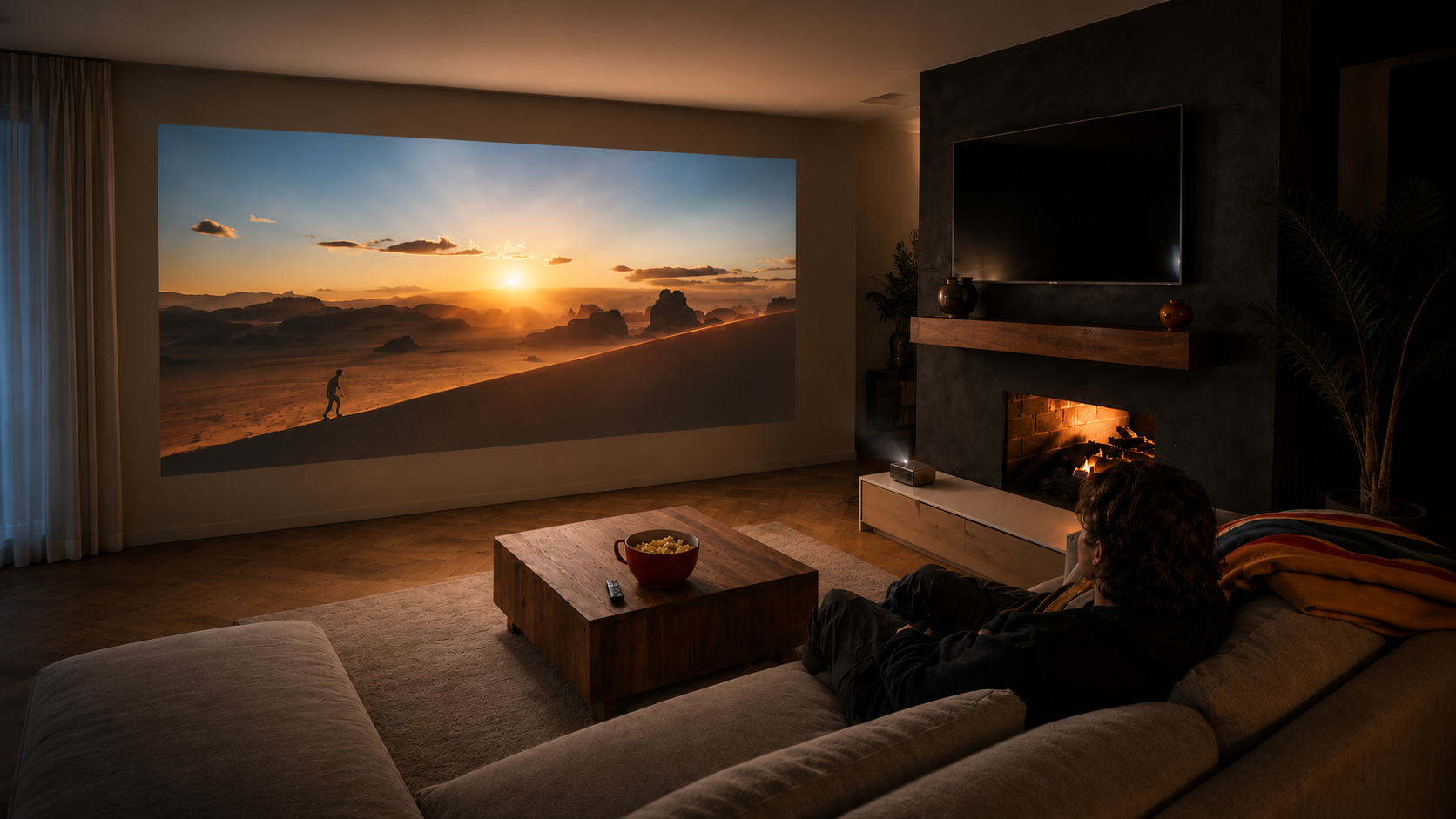
Once upon a time, buying a projector used to be a huge deal, especially in India from a price point of view. Thankfully, with time, things have changed, and now there are affordable (and even inexpensive) projectors in India. However, when it comes to cheap home projectors, the reality is very different, and they lack something very important.
So, in case you are looking to buy a projector from Amazon or any other e-commerce website, read this guide beforehand. Since I have used many of these projectors myself, I am going to tell you the dark truth about cheap projectors that influencers knowingly hide.
Things Nobody Tells You About Cheap Projectors
Most people searching for the best budget projector in India end up in the INR 2500 to 4000 range. That’s the biggest mistake people make.
These projectors use cheap bulbs with terrible brightness. The image looks faded and washed out, even on a good wall. You’re technically getting a 100-inch screen, but it looks nothing like what was advertised.
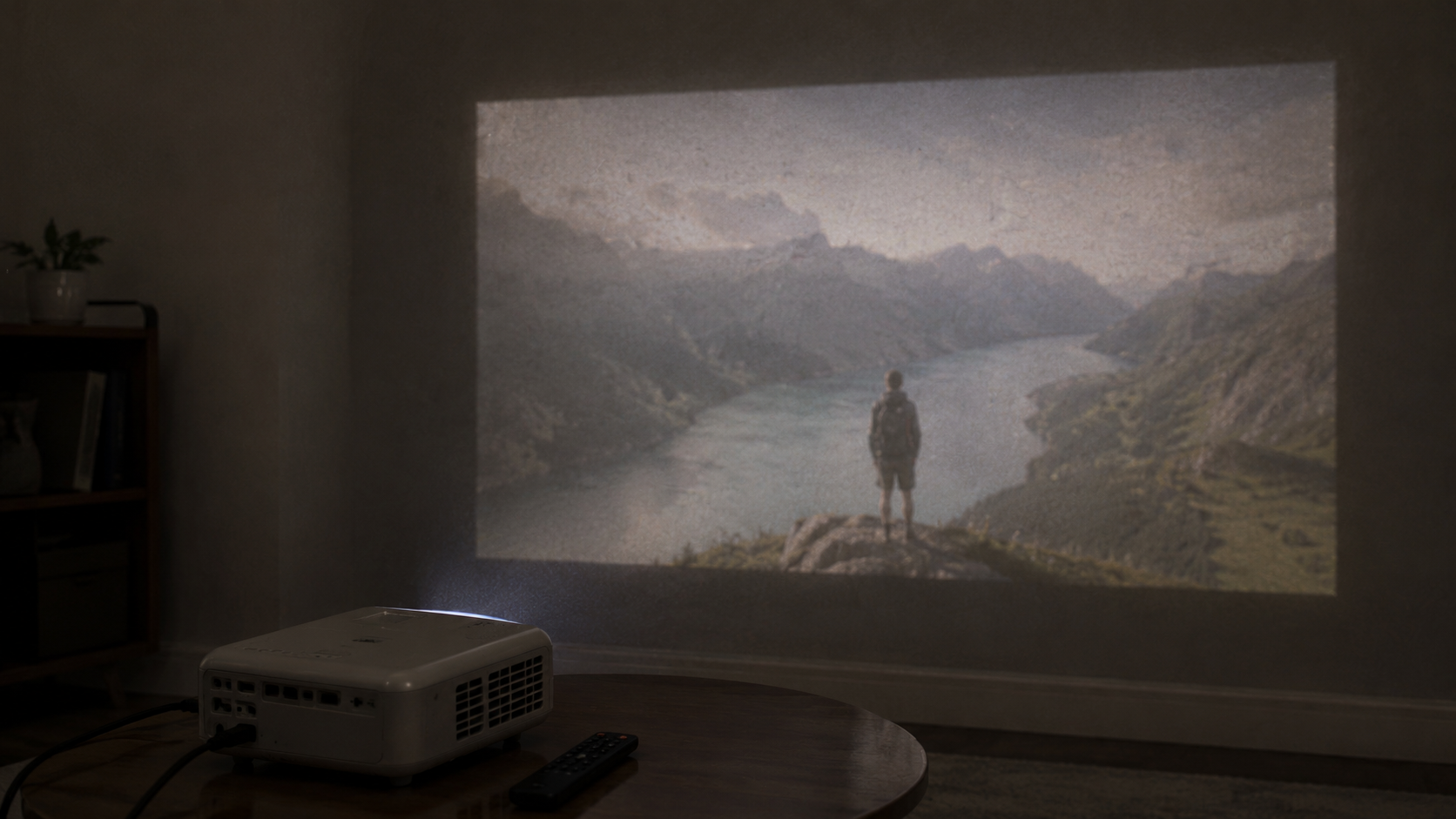
The fan noise is something nobody warns you about, either. It’s loud enough to be distracting during quiet scenes and dialogue-heavy moments.
Then, within just a week of use, dust particles start appearing inside your projection, as they lack airtight durability.
The HDMI ports are flimsy too and feel like they could break anytime. The bundled cables are equally cheap.
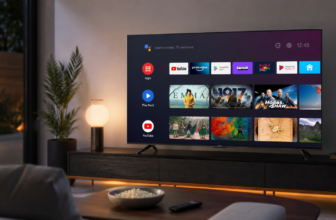
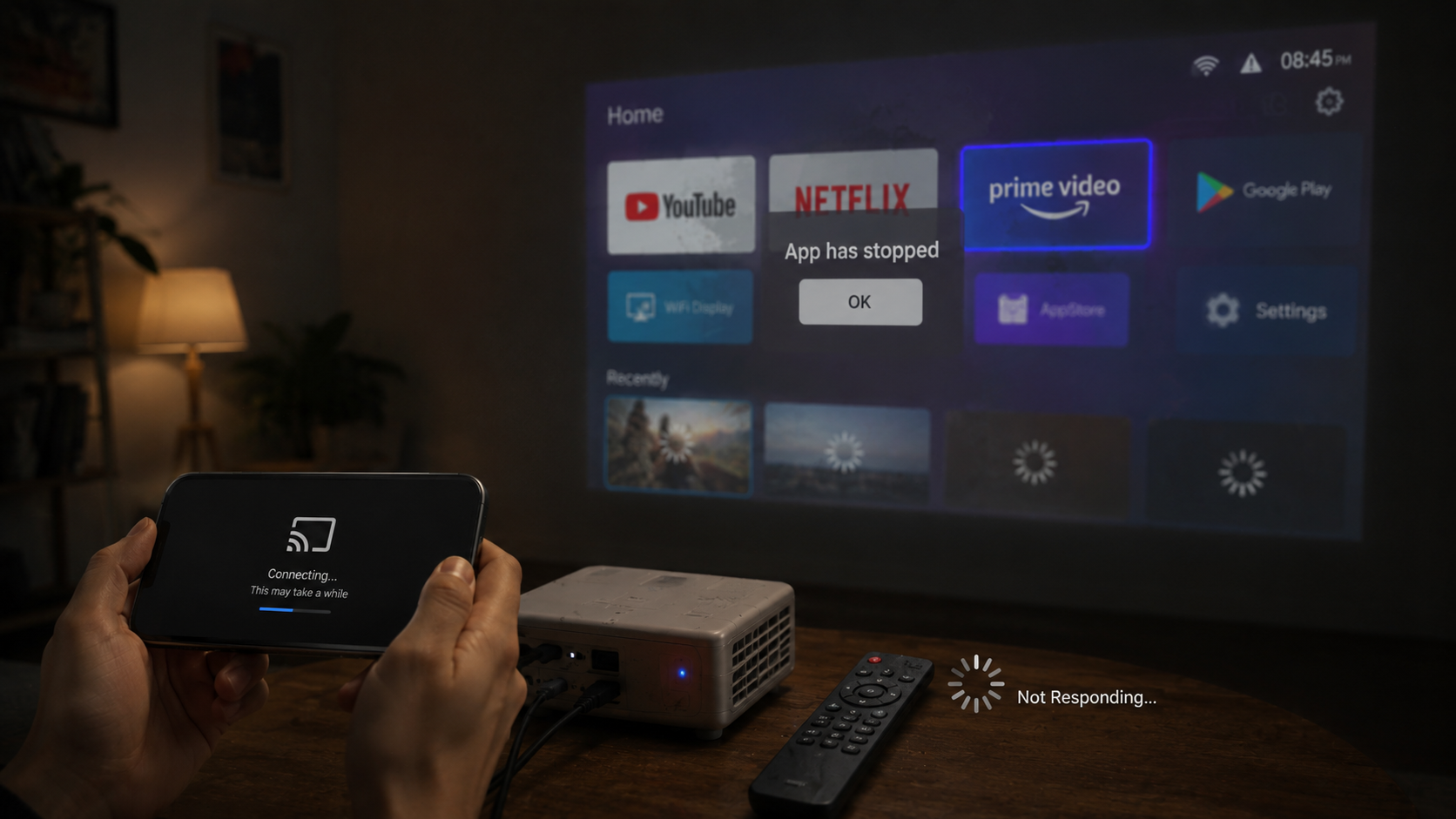
There’s no proper Android OS either. Streaming or casting from your phone becomes a daily issue with lag, crashes, and compatibility issues. The remote is unresponsive, and the interface is also super clunky.
And the worst part? Most of these are non-returnable. So once you’ve paid, you’re unfortunately stuck.
Difference Between Cheap and Premium Projectors
When people search for the best projector for home in India, they think the only difference is resolution or screen size. Well, that’s not true.
The real difference comes down to brightness levels, build quality, software reliability, and quality control.
An INR 18,000 to 20,000 projector from brands like Lumio or Vamvo offers better brightness and a dust-resistant sealed body. It also has a working Android OS and a responsive remote.
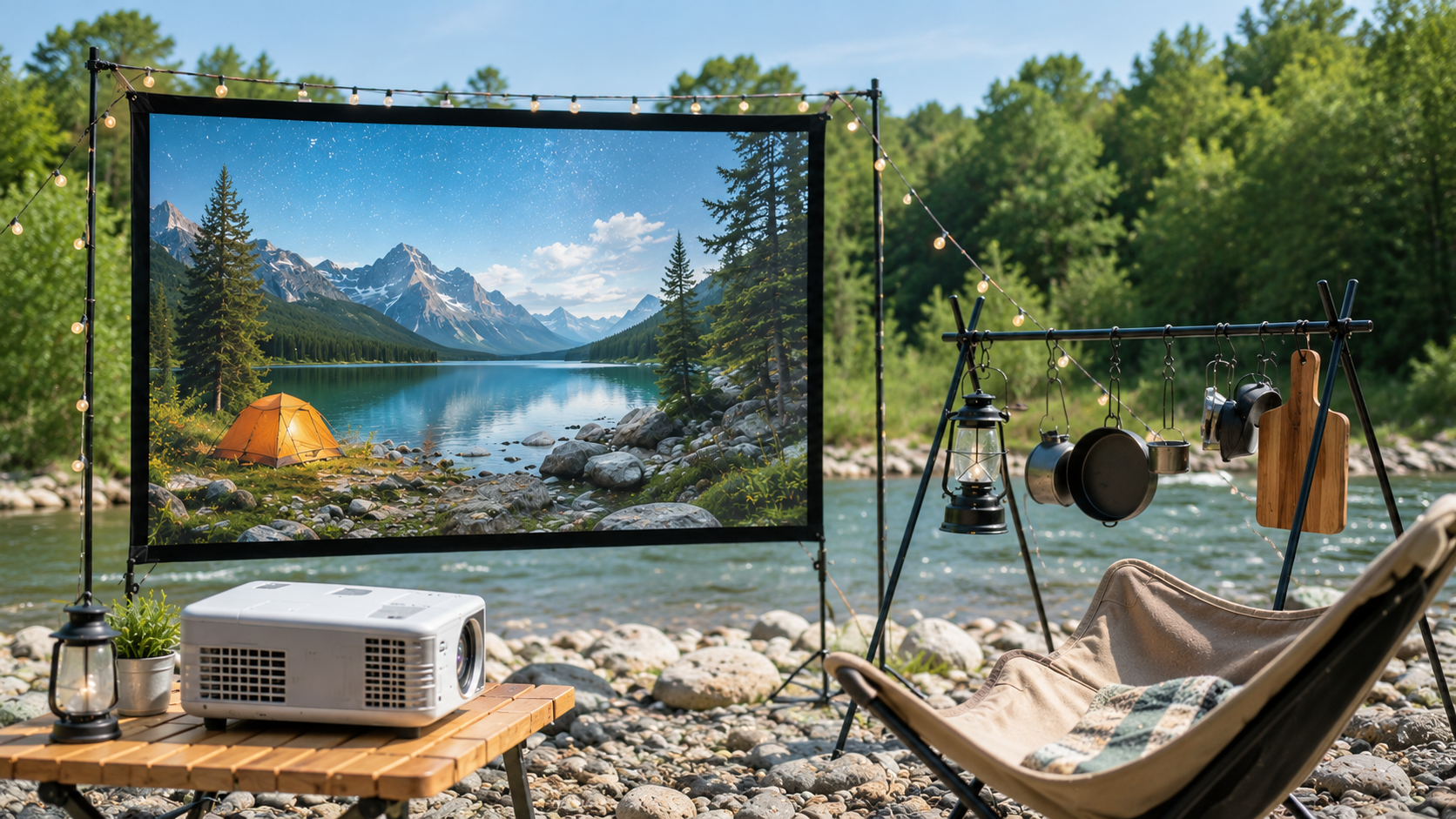
The best budget projector 4K options start at an even higher price and are worth it only if you have the right room setup for it.
The 4K projector price in India for a genuinely good experience starts around INR 40,000 and above, which makes sense only with a fully dedicated home theatre room.
Are Cheap Projectors Good for Home Theatre Use?
Honestly, no. And even good projectors come with conditions people ignore.
First of all, you need a completely dark room, no matter what the reviewers say. In most Indian homes, keeping a room dark at all times just isn’t realistic right?
The setup is another problem. Every time you want to watch something, you will have to adjust everything from scratch. It feels fun the first few times. By day ten, you just want your TV back.
Sound is weak too. If you want a real cinematic experience, you’ll need a separate soundbar on top of everything else.
So Should You Buy a Projector at All?
Yes, but only if you are pretty sure about it. Spend at least 10,000 and fix the projector in one dedicated dark spot at home. That is the only way it is going to run long-term and provide a cinematic feel.
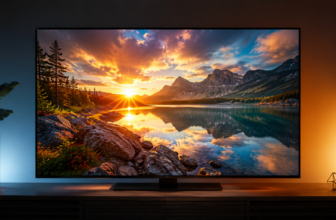
In my opinion, for most Indian households, a good TV with a quality panel is still the smarter everyday buy.
A projector should be used as an add-on for fun nights, but not as the primary screen.
FAQs
What is the biggest problem with budget projectors?
Poor brightness with dull and washed-out images, even in a dark room.
Are cheap projectors good for home theatre use?
In my opinion, no. They lack brightness, proper software, and good build quality.
What’s the difference between cheap and premium projectors?
Better brightness, build quality, Android OS, and overall reliability. The experience is completely different.
What is a good budget projector price in India?
Anything below INR 10,000 is a risk. INR 18,000 to 20,000 is where quality actually starts showing up.