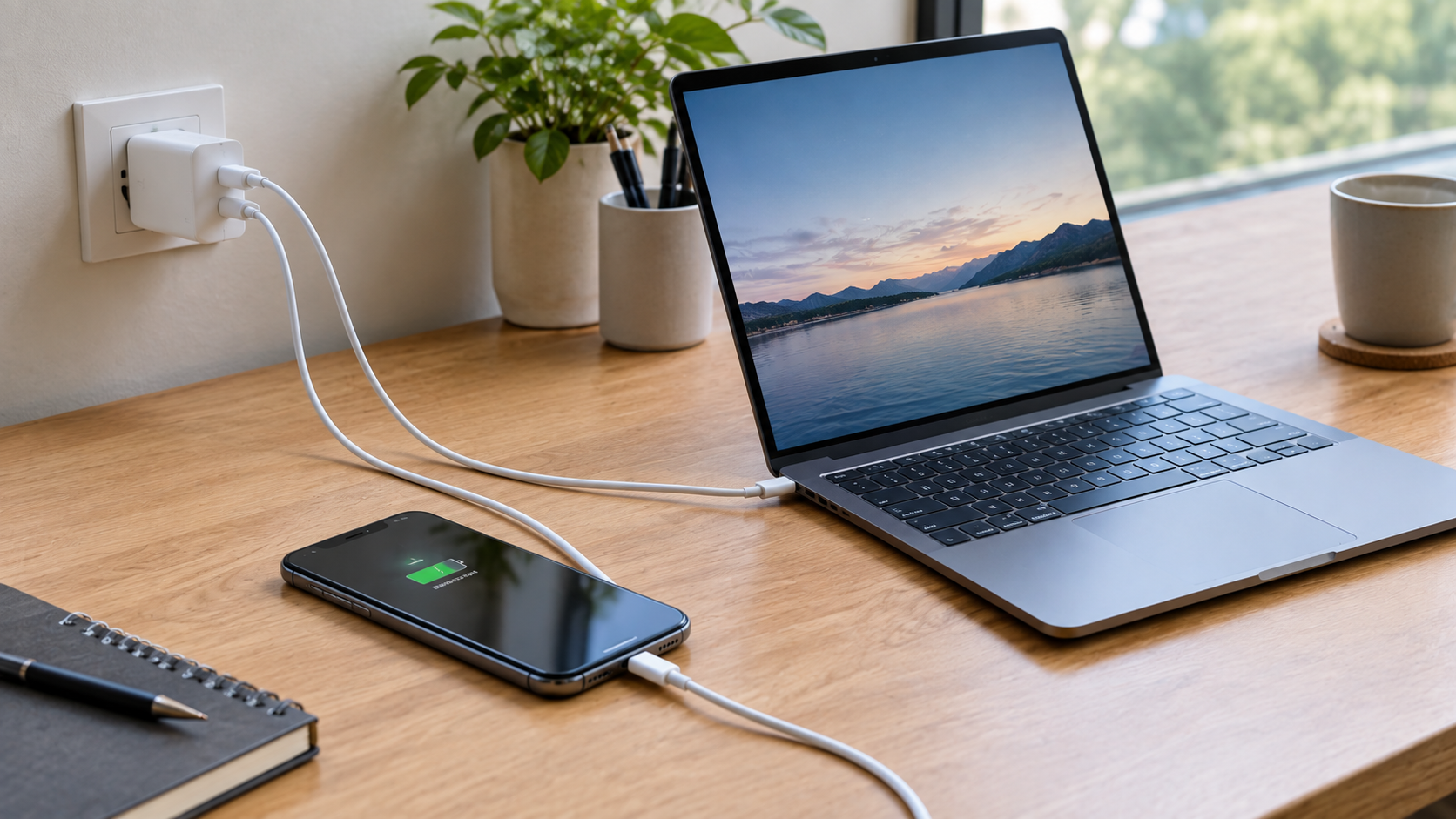
A lot of phones and laptops now use the same USB-C charging port. So it’s natural to wonder: can you just grab your phone charger and use it on your laptop too?
The answer is: maybe. It depends on a few things. Let’s understand in detail to avoid making any mistakes.
Same Plug, Different Power
USB-C is just the shape of the connector. It doesn’t tell you how much power the charger actually gives out.
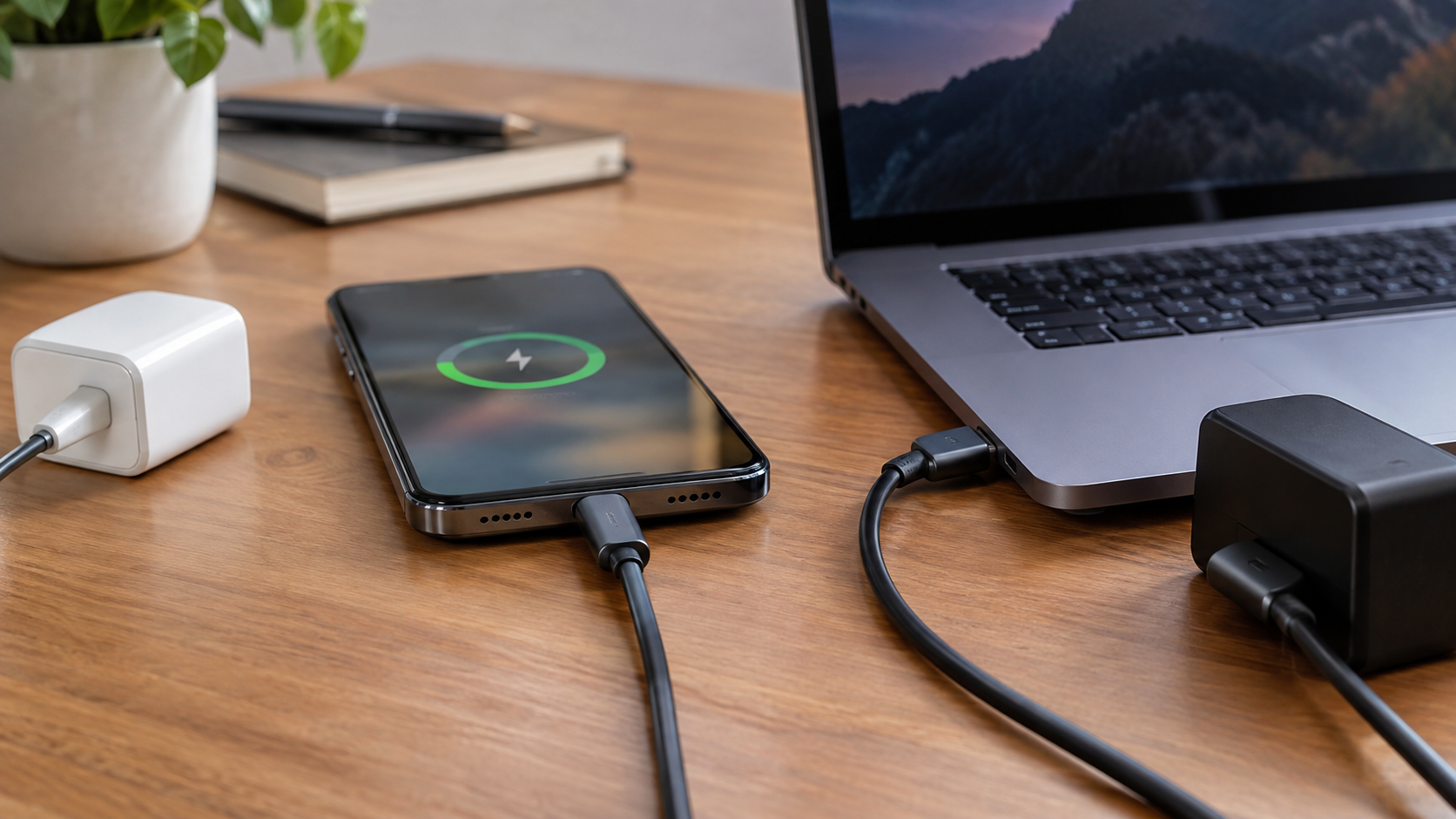
So even though a phone charger and a laptop charger might look the same, they can be very different on the inside.
Watts Are What Really Matter
Every charger has a power rating, measured in watts. This is the real thing you need to check.
Phone chargers are usually small, somewhere around 5 to 30 watts. Laptops need a lot more, often between 45 and 100 watts or even higher.
If you plug your laptop into a small phone charger, it probably won’t charge properly.
It might charge super slowly, or not charge at all. Some laptops will even show a message saying the charger isn’t strong enough.
Look for “USB PD”
There’s a feature called USB Power Delivery, or PD for short. This lets a USB-C charger send out more power than usual.
Not every phone charger has this. A lot of basic phone chargers are low power and don’t support PD at all.
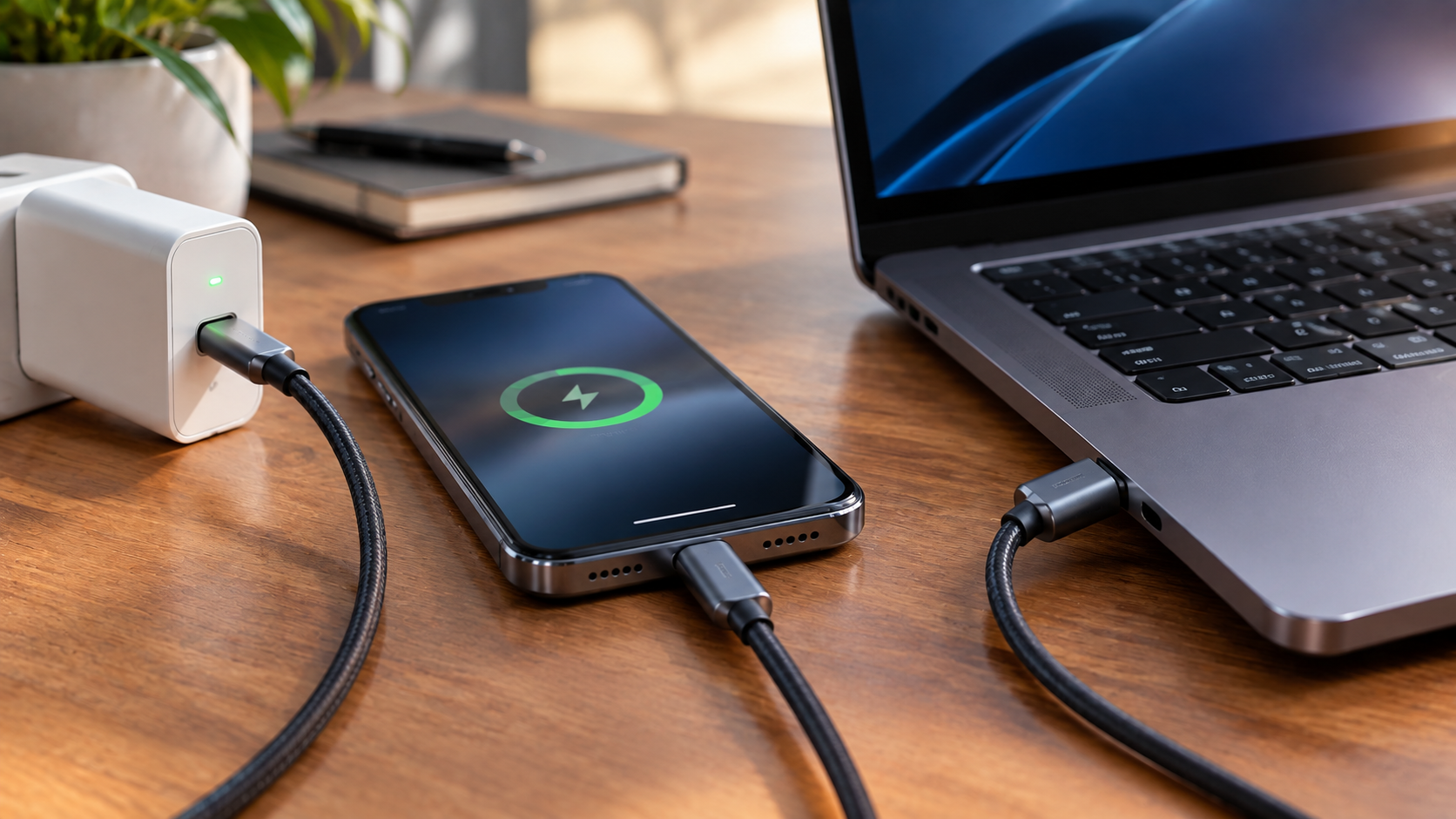
If your phone charger happens to be a PD charger with decent wattage, it might actually charge your laptop, even if a bit slowly. If it’s a cheap basic charger, it probably won’t do much.
Read More: https://sparknherd.com/explainer/snapdragon-8-elite-gen-6-vs-dimensity-9600-pro/
The Cable Matters Too
People often forget about the cable. It’s not just about the charger.
Some USB-C cables are made only for phones and can’t handle a lot of power. Others are built stronger and can carry more.
So even with a strong charger, if you’re using your phone’s thin little cable, your laptop might still charge slowly. A better, higher-rated cable makes a real difference.
Can It Damage Your Laptop?
No, don’t worry about that part. Laptops are smart enough to only pull the power they need. If the charger is too weak, the laptop just won’t charge well. It won’t get damaged.
The real danger is with cheap, no-name chargers or cables that aren’t made properly. Those can overheat or act unpredictably.
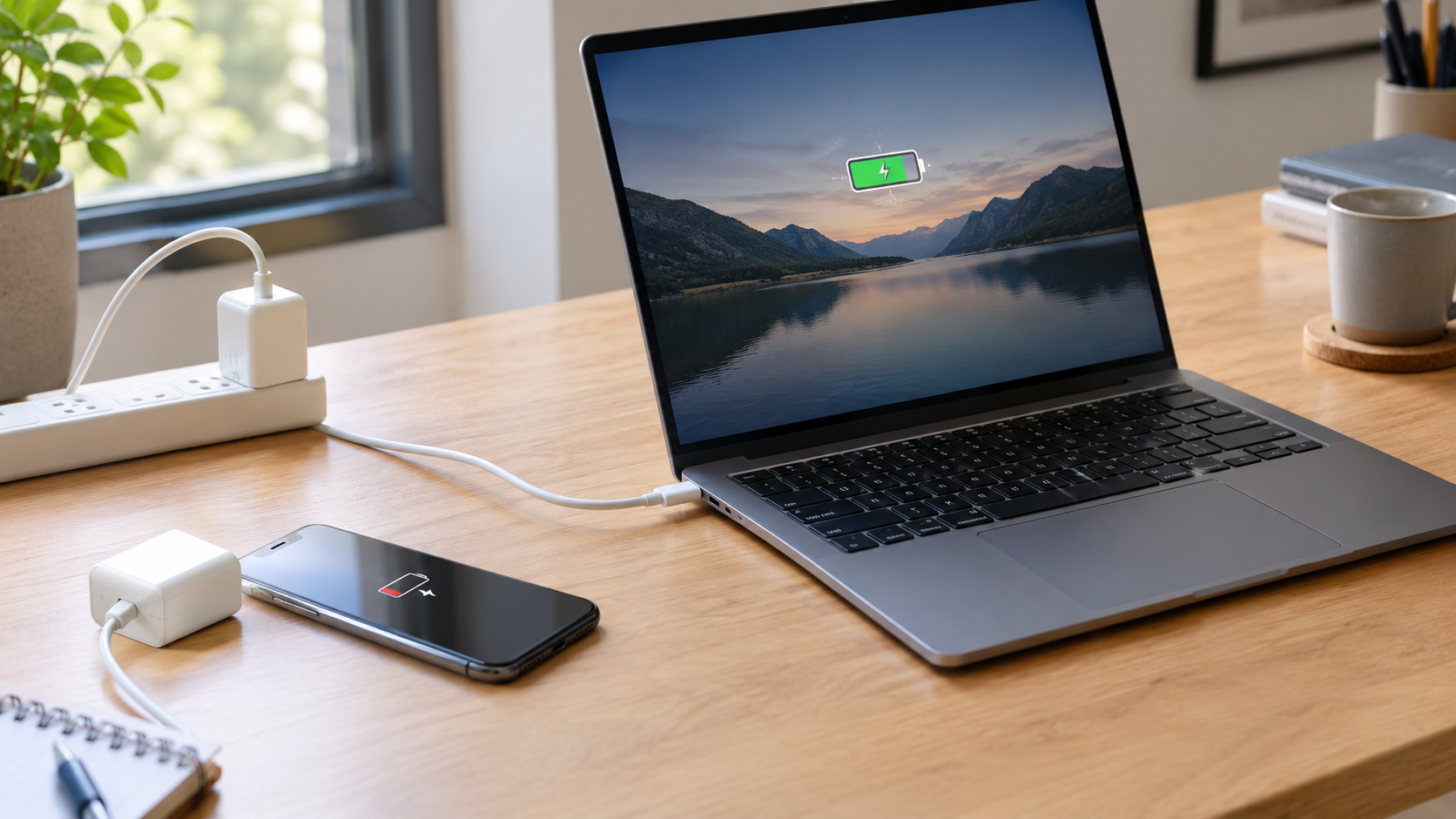
So, stick with trusted brands, and you’ll be fine. Don’t go for cheap options as they can cause serious damage to the laptop and your life.
When This Actually Works Well
If you have a small, light laptop, such as a basic ultrabook or a budget laptop, a strong phone charger with PD support can actually charge it just fine, maybe just a bit slower than usual.
This comes in handy when you’re traveling and forgot your laptop charger at home but still have your phone charger with you.
Is It Safe?
Can a phone’s USB-C charger work for a laptop?
Sometimes, yes. It comes down to three things: how many watts the charger puts out, whether it supports USB PD, and whether the cable can handle that power.
A basic phone charger usually won’t cut it. But a good, powerful PD charger might save you in a pinch.
If you switch between charging your phone and laptop a lot, it’s worth getting one good USB-C PD charger that can handle both. One charger, less clutter, and you’re covered either way.
FAQs
Can I charge my laptop with my phone’s USB-C charger?
Yes, but only if the charger has enough wattage and supports USB Power Delivery.
Will a low-wattage charger damage my laptop?
No, laptops only draw the power they need, so a weak charger won’t cause damage; it will just charge slowly or not at all.
What is USB Power Delivery (USB PD)?
USB PD is a charging technology that lets USB-C chargers send higher power levels, which is needed to charge laptops properly.