

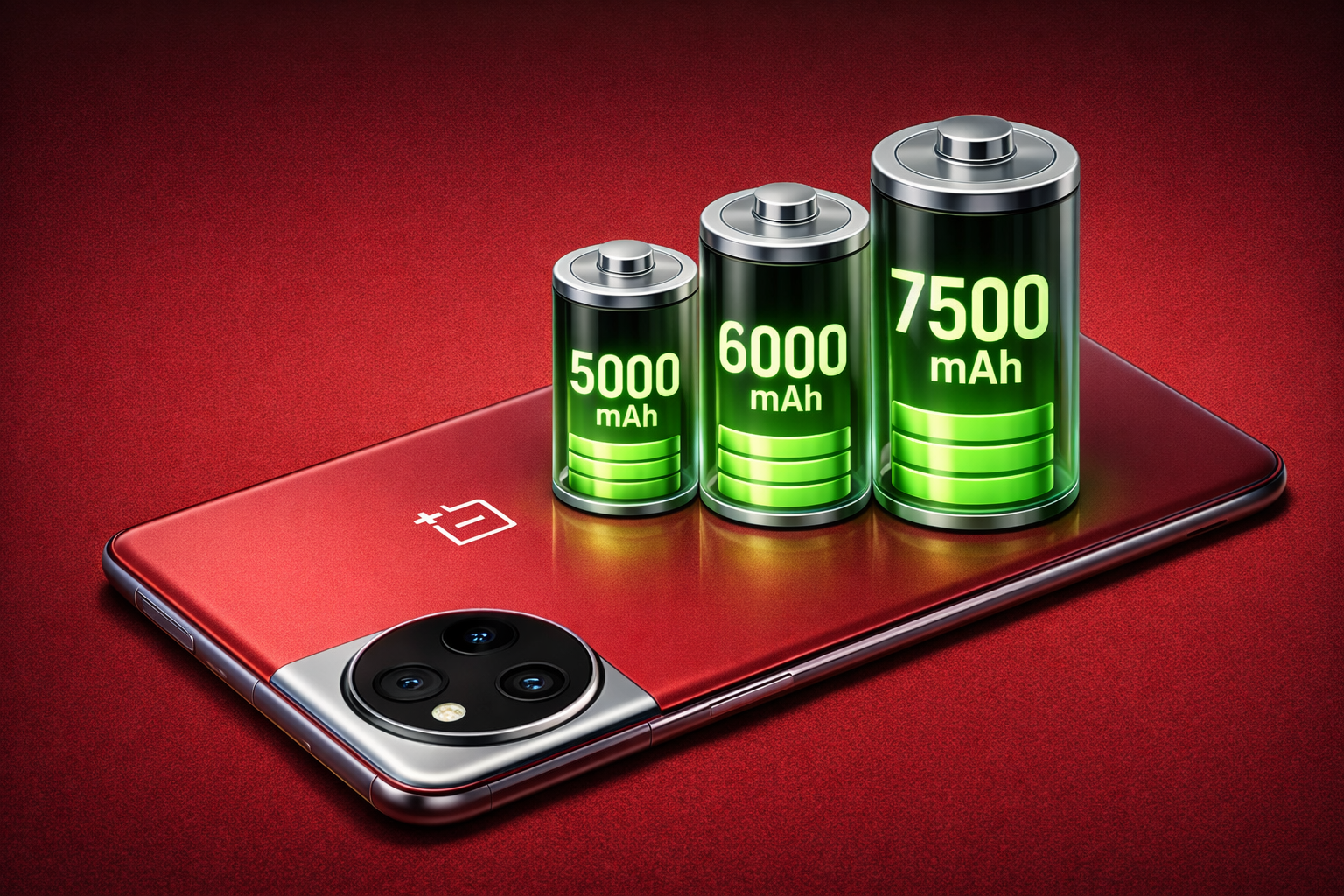
If you have been following recent smartphone launches in India, you may have noticed that brands are increasingly emphasising larger battery capacities. Earlier, most smartphones typically offered batteries in the 4,500 mAh to 5,000 mAh range. Today, however, these are being replaced by devices featuring 6,000 mAh and even 7,000 mAh batteries. This shift is evident across multiple price segments and brands, including the latest offerings from Motorola, Realme, iQOO, OPPO, and OnePlus.
So, in case you are wondering why smartphone batteries are getting bigger, this detailed guide will tell you why and the future of smartphone batteries.
See Also: These Phones Under INR 25K Are Only Ones That Can Run BGMI at 120fps
High Refresh Rate Displays Consume More Power
Smartphones are getting complex by the day. Unlike a few years ago, now they operate very differently, driven by features such as high refresh rate displays and larger screen sizes. OLED displays running at 90Hz or 120Hz are the norm now.
Needless to say, these consume more power during extended use compared to standard (read: older) 60Hz panels. At the same time, larger screens draw more power. Not to mention, camera systems have grown more complex, thanks to multiple sensors, larger image sensors, and heavier on-device image processing.
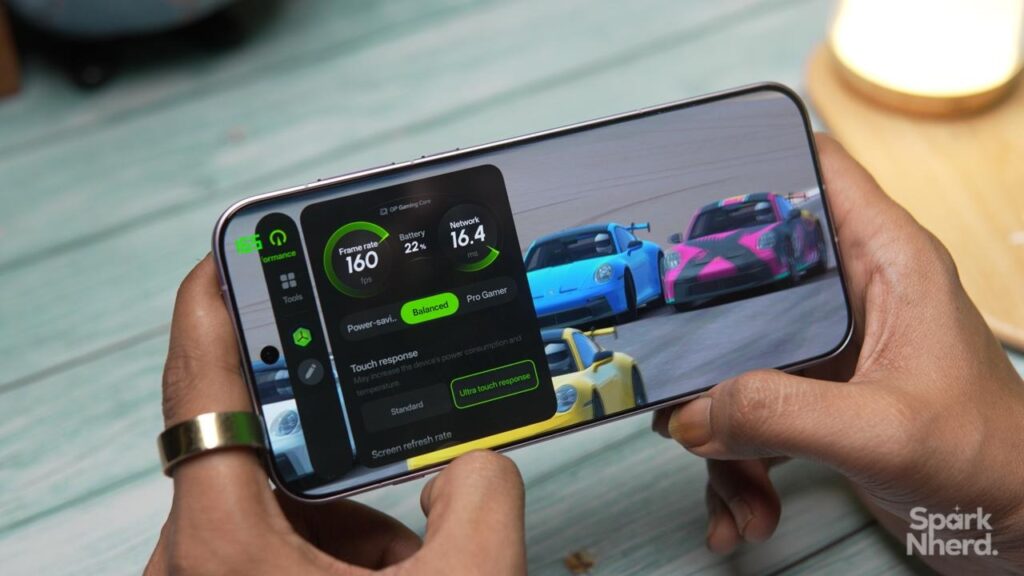
And while chipsets have become more capable and efficient, they also handle far more demanding workloads. So, this means everyday tasks like real-time HDR video or on-device language processing hog more sustained energy throughout the day.
Also See: Samsung Unveils Exynos 2600: Industry’s First 2nm Chipset
Smartphones Are Now All-in-One Daily Devices
In our country, a smartphone is used as an all-in-one device. So, whether you are replying to your office emails, streaming your favorite movie, paying via apps like Google Pay or PhonePe, or using Google Maps for navigation, this single device handles everything. As such, a smartphone that can see you through all of these without needing frequent refueling becomes an important buying factor.

Now, the expectation has shifted from getting through a single day to lasting comfortably across multiple days with moderate use. A 7000mAh battery smartphone is increasingly seen as a dependable daily device. And for smartphone makers, increasing battery capacity is often the most direct way to meet these expectations, instead of relying only on fast charging technology and small efficiency gains.
Better Battery Chemistry Makes It Possible
Over the years, battery technology has also advanced, and so have smartphone battery trends. Many phones are now adopting silicon-carbon composite anodes instead of traditional graphite. Silicon can store significantly more energy, and when blended with carbon, it offers better energy density without the severe expansion issues of pure silicon.
Naturally, this allows phone manufacturers to increase battery capacity without adding to the weight and bulk of the phone. As a result, very large batteries can now fit into designs that still feel familiar in the hand. Again, larger batteries would be far less practical if they meant longer charging times.
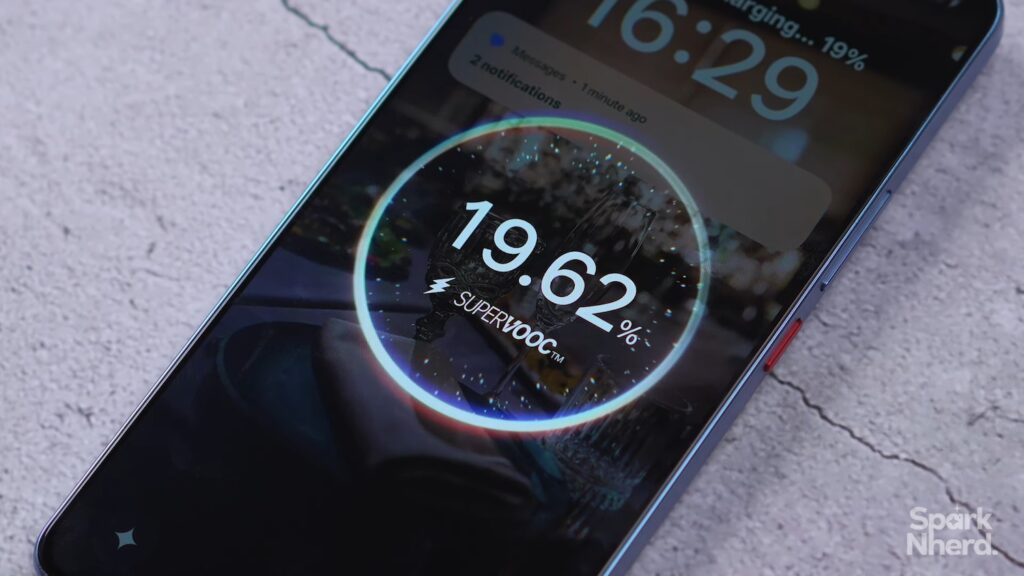
Fortunately, charging technology has advanced alongside battery capacity, and now you can have a smartphone with a 7,000 mAh battery charging to 100 percent in less than an hour.
It is worth noting that fast charging technology also comes with built-in methods to help control heat, balance charging loads, and protect overall battery health.
Why 7000mAh Batteries Are Becoming Common
The move toward 7,000 mAh and larger smartphone batteries is driven by real and structural changes, with phones like the iQOO Z10 (7,300 mAh) and OnePlus 15 (7,000 mAh) leading the way. Plus, there are reports that OnePlus is moving ahead with a smartphone featuring a 9,000 mAh battery. With improvements in battery technology, charging systems, and device design, high-capacity batteries are likely to remain a standard feature of mainstream smartphones, instead of being an exception.


