Dolby Vision is known for taking your HDR viewing experience to a different level, whether it’s on your TV or smartphones. From vibrant colors and better contrast to a smoother viewing experience, it’s supposed to do them all. However, what exactly is Dolby Vision?
In this guide, we’ll break down how Dolby Vision works, where you can find it, and why it’s becoming the must-have upgrade for your screens.
Also See: Why Smartphone Battery Capacities are Getting Bigger
What Exactly is Dolby Vision?
Dolby Vision is an advanced HDR technology that helps in a better viewing experience for movies, shows, and games. It supports up to 8K resolution, 12-bit color depth for smoother gradients and billions of shades, with peak brightness reaching 10,000 nits.
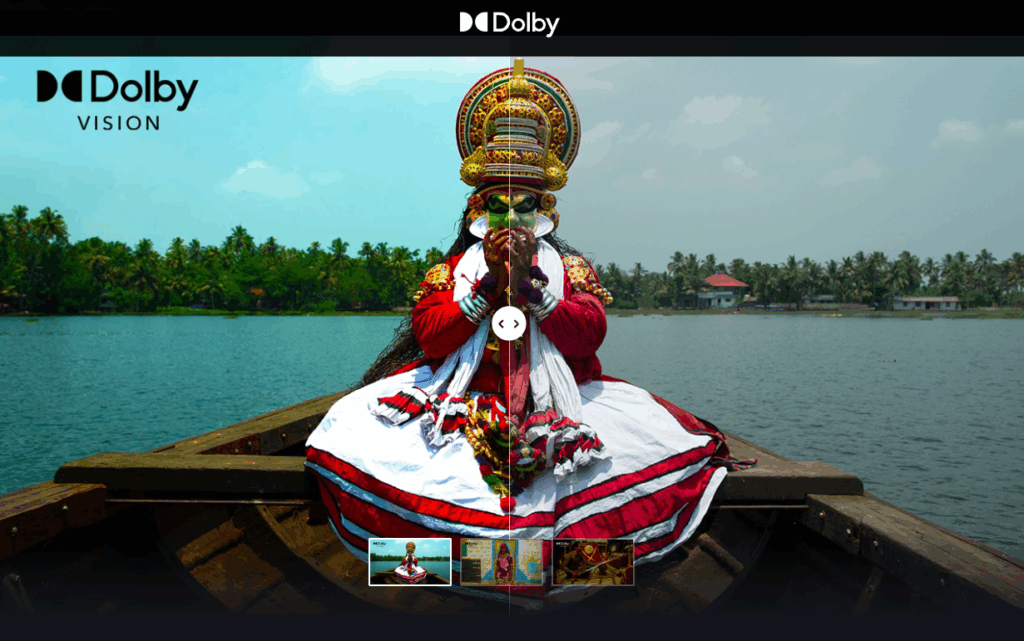
What really sets Dolby Vision apart is its use of dynamic metadata, which adjusts brightness, contrast, and color frame by frame. This ensures every scene looks exactly as the creators intended, no matter what device you are watching on.
How Does Dolby Vision Actually Work?
Dolby Vision packs video data in layers to give you the best possible picture. Single-layer profiles simply send a standard HDR stream, which most TVs can display. Dual-layer profiles go a step further by adding an enhancement layer with 12-bit color depth
The real magic of Dolby Vision comes from dynamic metadata. In simple terms, dynamic metadata is a set of technical instructions embedded in the content that tells your display exactly how to adjust each scene.
So, the video signal will include information like lift (shadows), gamma (midtones), gain (highlights), and saturation trim (color intensity). In short, your TV doesn’t just show the picture. It actually interprets it frame by frame to make every scene look as the creators intended, be it a bright action sequence or a dimly lit drama.
Also See: Lumio Vision 7 Smart TV Long-term Review
Where Can You Find Dolby Vision Content?
When it comes to content, Dolby Vision is widely supported across the major streaming services, such as
- Netflix
- Disney+
- Apple TV+
- Amazon Prime Video
- Hulu
- Paramount+
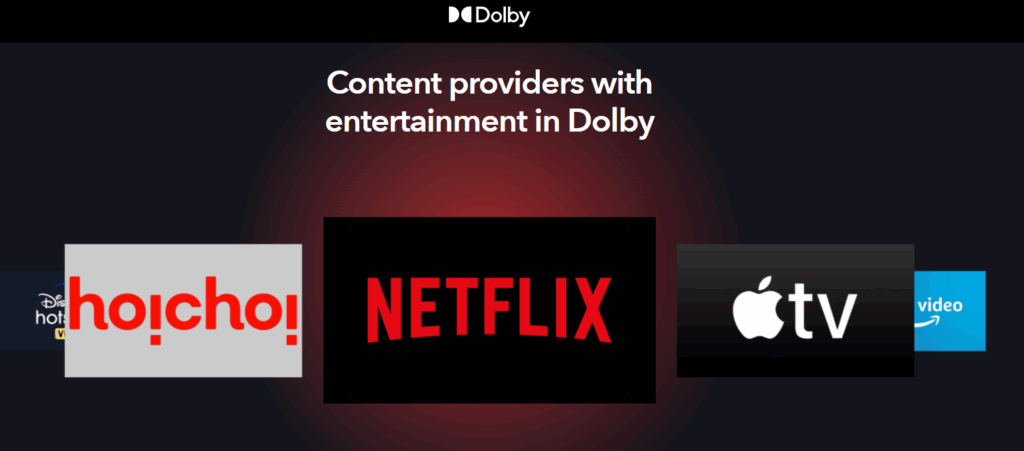
In India, almost all the major OTT platforms support Dolby Vision, such as
- Jio Hotstar
- Netflix
- Amazon Prime Video
- Apple TV+
- SonyLIV
- Zee5
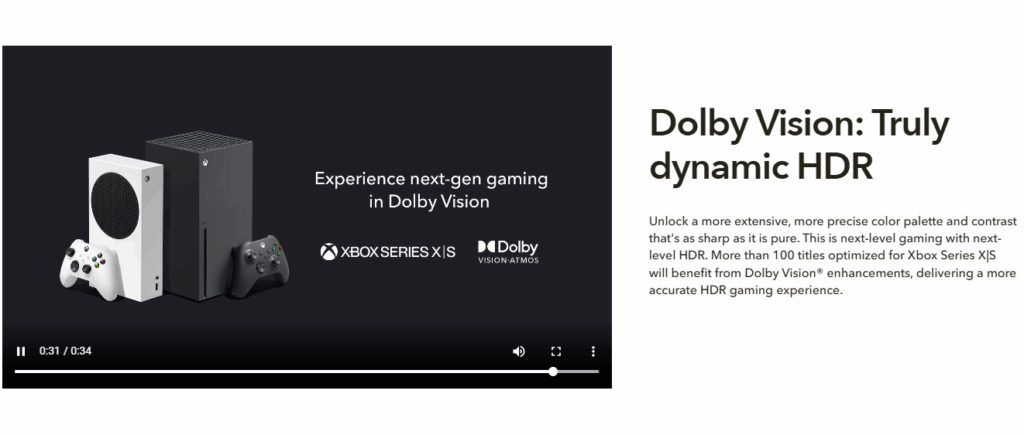
For Gaming? Xbox Series X/S supports it natively for titles like Forza and Call of Duty, thus boosting overall graphics contrast in shadows.
Also See: What Is Vapor Chamber (VC) Cooling in Smartphones
Dolby Vision vs HDR10+
Dolby Vision uses dynamic metadata and supports 12-bit color (over 68 billion shades), thus allowing for precise frame-by-frame tone mapping that adapts to your display.

In contrast, HDR10+ relies on static metadata and 10-bit color (around 1 billion shades). This difference makes it less flexible when adjusting to different screens. So, if you want more accurate and vibrant viewing experience, Dolby Vision is generally the better choice.
Conclusion
Dolby Vision is just the beginning. In 2025, the company introduced Dolby Vision 2, which is set to roll out on TVs in 2028. This next-generation version brings AI-driven Content Intelligence, Authentic Motion for smoother visuals, Precision Black for deeper shadows, and several other enhancements that take your viewing experience to the next level.
Dolby Vision: FAQs
What is Dolby Vision?
Dolby Vision is an advanced HDR technology developed by Dolby Laboratories that delivers superior color, contrast, and brightness.
Is Dolby Vision available on smartphones?
Yes, Dolby Vision is available on almost all the mainstream and popular smartphone brands like Apple and OnePlus.
Which OTT platforms support Dolby Vision in India?
In India, OTT platforms like Netflix, Amazon Prime Video, JioHotstar (Disney+ Hotstar), Apple TV+, Sony Liv, and Zee5 support Dolby Vision content.
Which OTT platforms support Dolby Vision in India?