Brief Overview
- Apps like WhatsApp will need users to link their user accounts with active SIM cards.
- It has been asked to implement SIM binding in India within 90 days.
- The new SIM verification rule will enforce periodic logouts on web and multi-device sessions.
On Friday, November 2025, the Union government of India issued new cybersecurity directions to messaging apps like WhatsApp, in which it is required for them to link user accounts with active SIM cards. Naturally, this directive marks a change of policy for the messaging platforms and regulations around them in India.
Let us see what the directive says.
WhatsApp New SIM Verification Rule: Details
As per the Telecommunication Cybersecurity Amendment Rules 2025, the Department of Telecommunications has strictly instructed major messaging platforms to implement SIM binding in India within 90 days.
In simple words, users will not be able to use these apps if an active SIM card does not back up the linked mobile number.
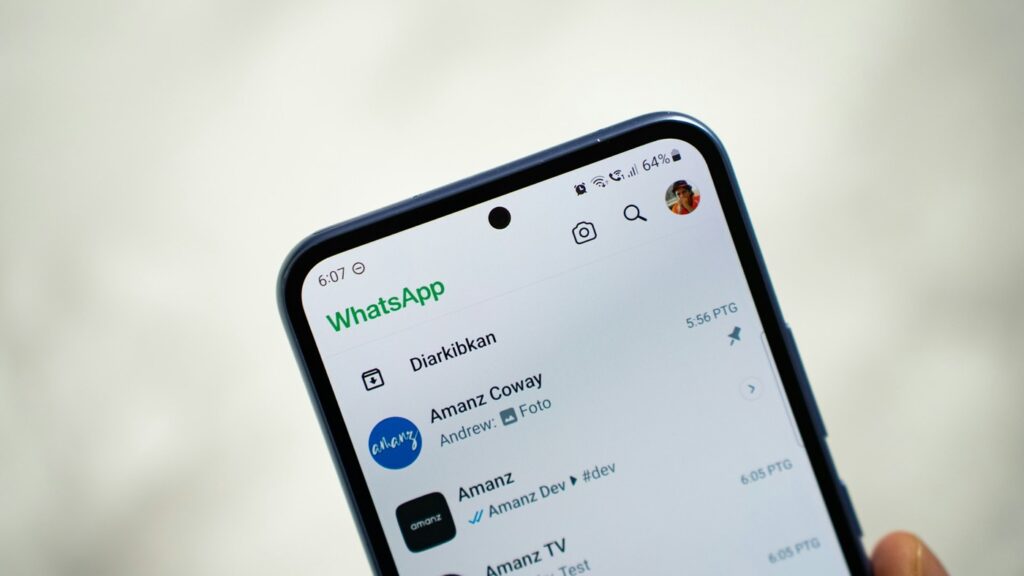
Also, as part of WhatsApp’s new SIM verification rule, the app will also need to enforce periodic logouts on web and multi-device sessions at least once every six hours. The re-entry will only be allowed after fresh verification, such as QR-based authentication.
The order also states that the companies must submit a compliance report within 120 days and will be placed in a new category, Telecommunication Identifier User Entities, for regulatory purposes.
Also See: How to Send a Fake Live Location on WhatsApp Using Android
Why Now?
As per the officials, these SIM verification rules are aimed at curbing online fraud, spam, and cross-border cybercrime that often exploits loopholes, since these apps continue to work even when the original SIM is removed.
Other than that, as per some flagged cases from security agencies, it is reported that some numbers were registered on only one phone and used in different devices and locations, thus making investigation and user verification harder and challenging.
Additionally, the Cellular Operators Association of India has backed SIM binding and SIM verification rules, saying it would make it easier to pin responsibility on real-world subscribers when serious offences are committed using internet-based calling or messaging.
As per the IT rules 2021, the government has already been pushing broader traceability and originator identification frameworks and related telecom laws, citing national security needs.
Privacy and User Concerns
The digital rights advocates say the new rules could expand surveillance and weaken the privacy protections people expect from end-to-end encrypted messengers. As per them, India already has a controversial traceability requirement under the IT rules 2021 that has already been challenged in court by WhatsApp because it undermines encryption and user rights.
Critics are also worried about the impact on activists, journalists, and users in sensitive situations who may rely on secondary devices or non-standard setups to communicate safely. For everyday users, the most visible changes are likely to be more frequent logouts on WhatsApp Web and a hard requirement to keep an active SIM linked to their messaging accounts at all times.