A Brief Overview
- OpenAI’s Sora was an AI video-generator app.
- OpenAI has decided to shut down the video generator Sora.
- OpenAI and Disney signed a $1 billion-plus deal, but OpenAI decided to pull out of the deal after shutting down Sora.
OpenAI recently sparked attention amongst the users as it announced that it has decided to shut down the Sora video generator. Naturally, news of Sora’s shut down has led to a lot of questioning about why this decision was taken just six months after it was made public.
As per OpenAI, this decision to pull the plug on Sora wasn’t a matter of failure. The AI video generator simply fell victim to a strategic pivot. The company has chosen to redirect its resources, including funding, engineering talent, and computing power, toward what it sees as higher-priority bets: coding tools, robotics, and enterprise products.
What is Sora?
OpenAI’s Sora is a text-to-video app that was launched in late 2024, which enables users to enter a short prompt in text form and then create short but realistic AI videos.
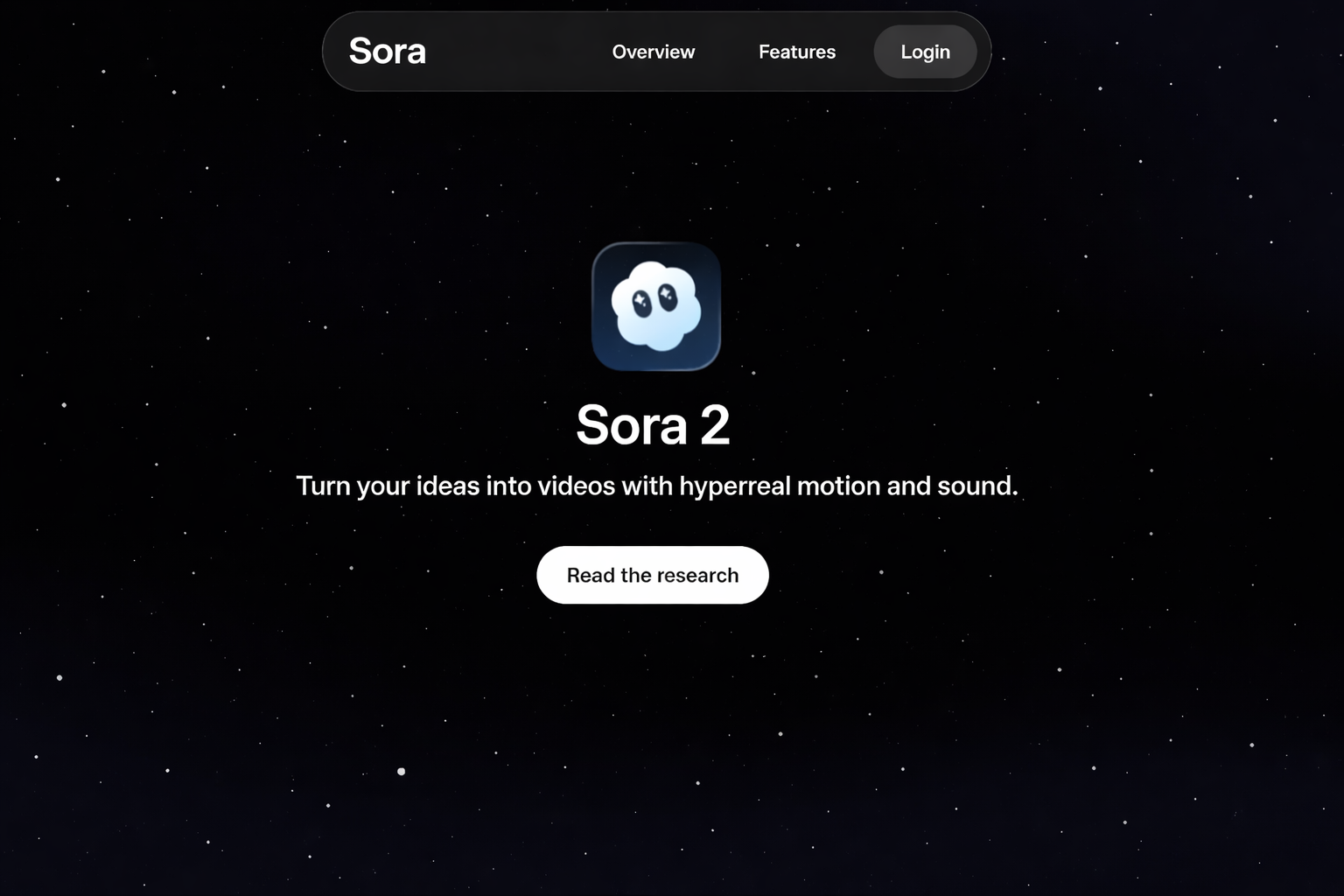
OpenAI had planned Sora to grow into its own social-style app with a TikTok-like feed, with APIs, and planned it with ChatGPT, targeting consumer and creative pro users.
Why Was Sota Shut Down?
Cost and compute pressure: Basically, running an advanced video model requires massive computing power. However, the company has decided to channel the same power towards developing agentic AI systems.
IPO-related strategy: Given the possibility of an IPO in the future, OpenAI is streamlining its product offerings to only those that generate consistent and reliable revenues for businesses and developers, rather than experimenting with consumer-facing video apps.
Disney deal fallout: OpenAI and Disney signed a $1 billion-plus deal, which allowed Sora users to create videos with characters such as Mickey Mouse, but OpenAI has decided to pull out of the deal after shutting down Sora.
Copyright and Safety Issue with Sora
OpenAI’s Sora was already raising concerns for studios and creators because it could mimic real actors, styles, and even copyrighted scenes without clear consent.
OpenAI also added stricter guardrails around kids’ safety and content control, but critics still argued about the damage to creator trust, and copyright debates had already been done.
So, instead of doubling down on video regulation, OpenAI quietly chose to exit the consumer video business and reuse that tech for other internal projects.
Farewell, Sora!
So, this was why Sora was shut down. For the AI-video generation apps, OpenAI’s decision is being seen as a reality check; even a company with huge resources has found it hard to turn AI video generation into a profitable business.
Now, the challenge for other AI labs and startups is to prove that film‑quality video can either make money or survive in a crowded, legally sensitive market.
If we talk in simple words, OpenAI did not shut down Sora because the app failed, but it had other plans to invest in money and talent in AI that helps companies code, automate work, and run robots instead of chasing to dominate the AI video-creation world.
OpenAI Sora FAQs
What is OpenAI Sora?
OpenAI’s Sora is a text-to-video app, which enables users to enter a short prompt in text form and then create short but realistic AI videos.
What are the possible reasons behind the Sora AI shutdown rumors?
The main reason behind the shutdown is that Sora AI’s video generator was not making enough revenue.
Is Sora AI available to the public?
Sora is no longer available as a public product. OpenAI announced on March 24, 2026, that it is shutting down Sora.