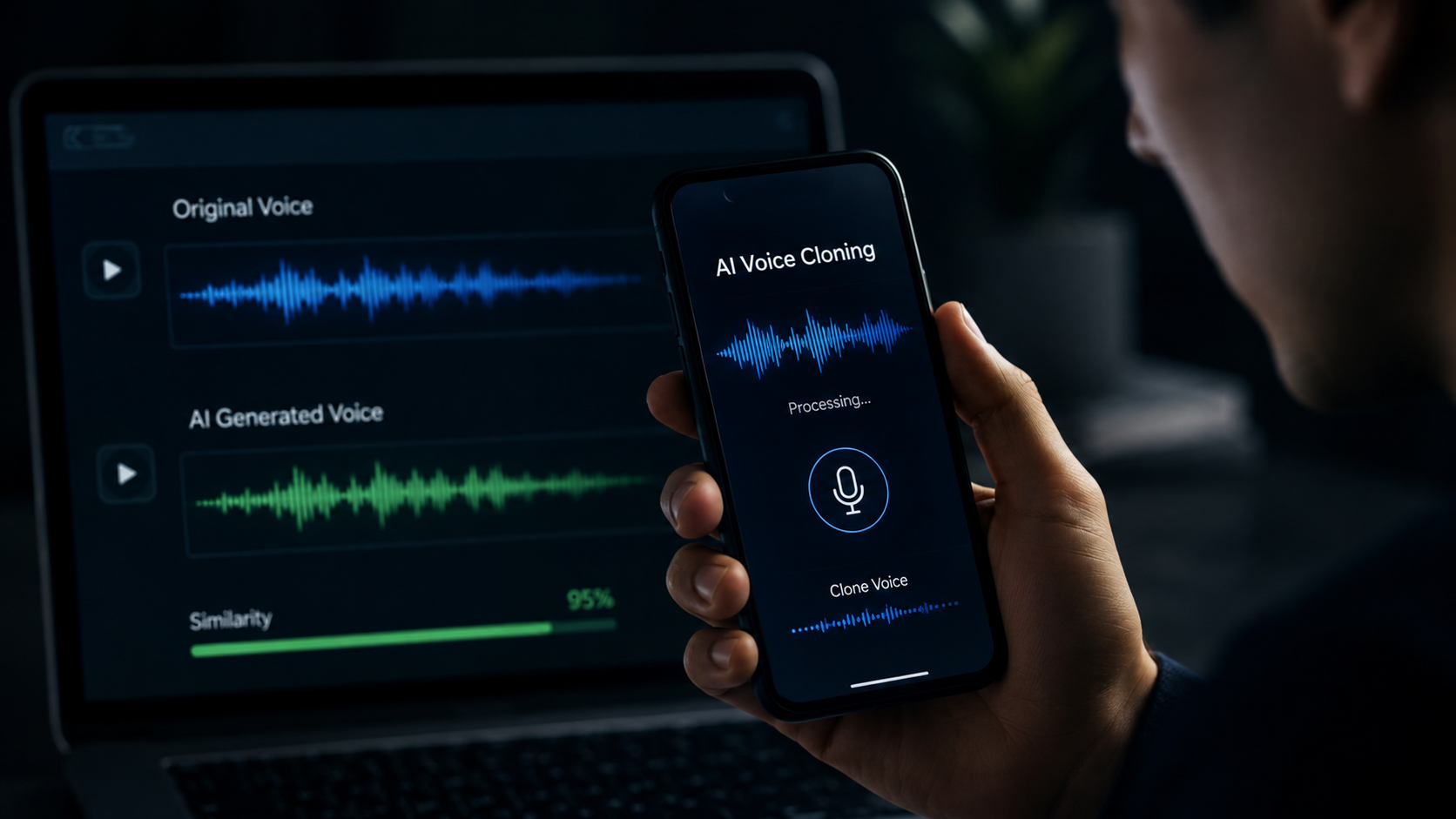
A phone rings. Your father picks up. He hears your voice, crying, saying you met with an accident and need money right now. It sounds exactly like you, but it is not you. This is the new face of fraud in 2026. AI-cloned voices are used to con elderly people. Scammers only need a few seconds of your voice to build a fake version of it. That fake voice is now good enough to fool even close family members.
How AI-Cloned Voice Scams Actually Works
This is the age of AI, and as such, picking up voice samples from places most people never think about and cloning them is simpler than you think. It can be an old Instagram reel, an old voicemail greeting, or even a voice note sent on WhatsApp.
So, with just three seconds of audio, AI tools can clone a person’s tone, accent, and even speech pattern.
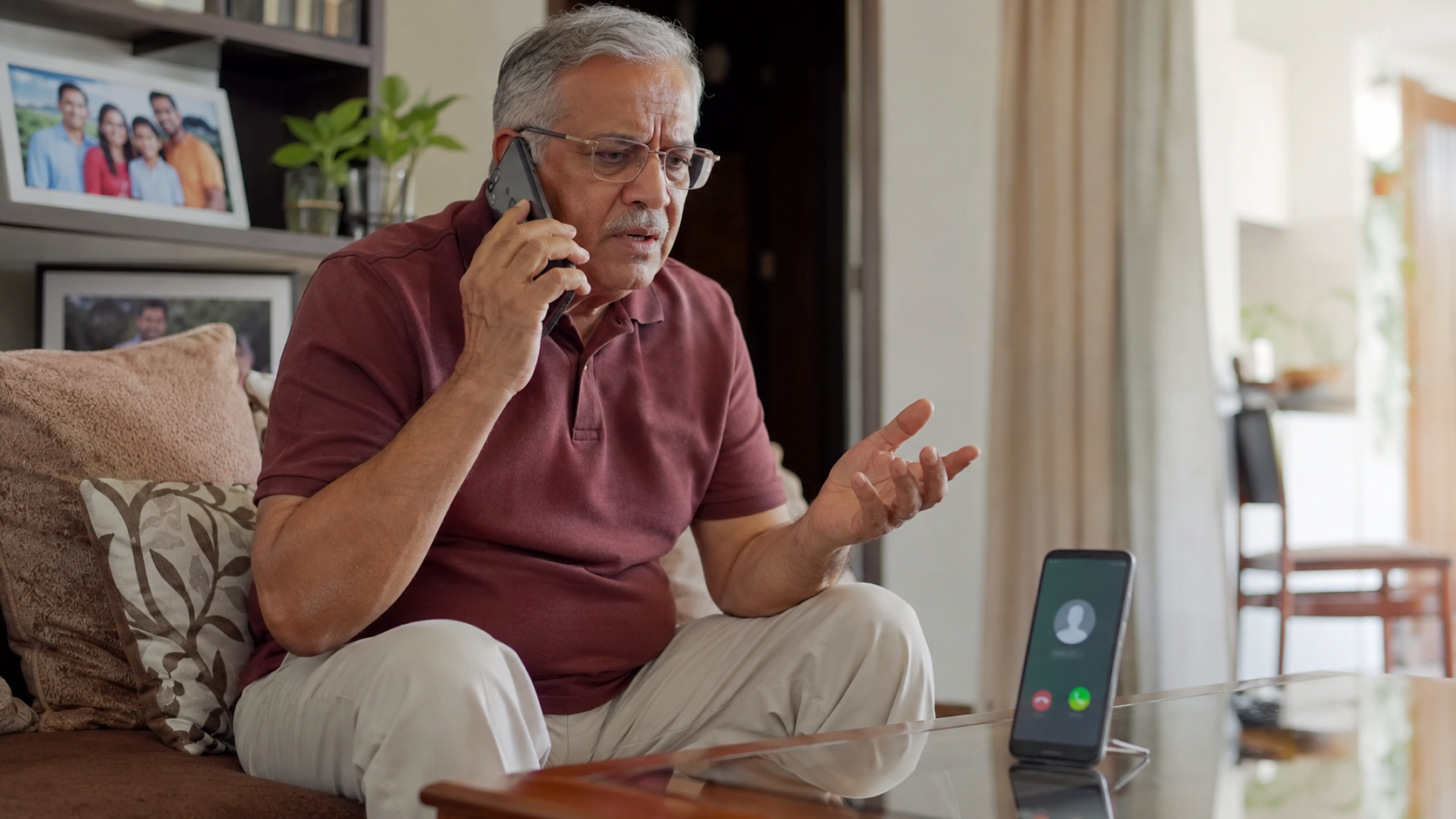
The cloned voice may sound panicked, injured, or arrested. It asks for urgent money through UPI, often within minutes, before the family member has time to think clearly. In fact, some scammers go further and pretend to be police officers or bank officials. They claim a parcel with illegal items was caught in the victim’s name.
The goal is always the same. Create fear, remove time to think, and push for an instant payment.
Read More: How to Stop Spam Calls on Android for Free: A Complete 2026 Guide for India
Why AI Scams Are Growing So Fast In India
India runs on two things that make this scam easier here than almost anywhere else. One is UPI, which allows money to move in seconds. The other is the huge amount of personal voice content people share daily on social media and messaging apps.
Cyber cell data from Haryana recorded a sharp rise in voice cloning fraud cases in a single quarter compared to the previous year.
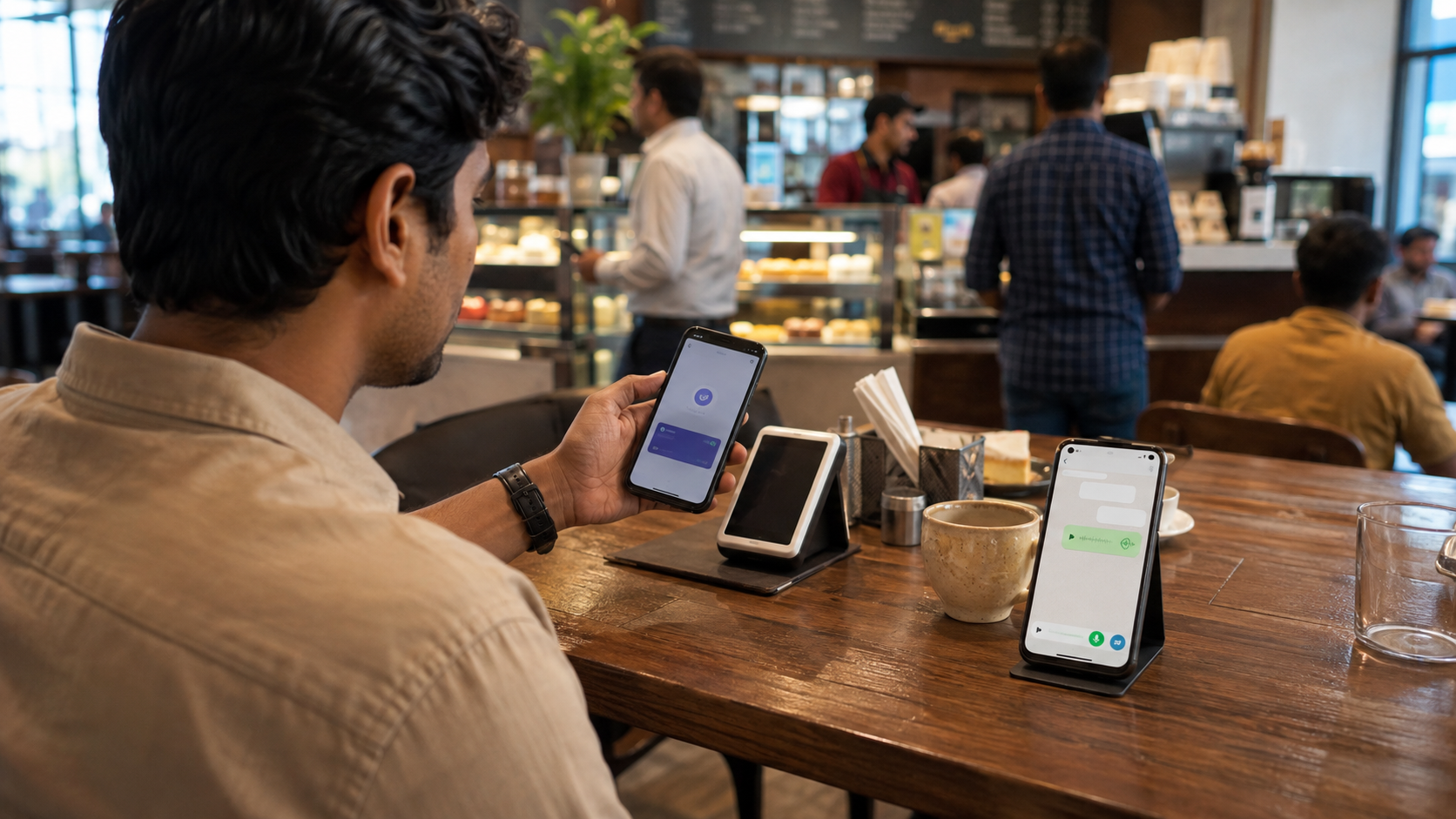
According to the Haryana Cyber Cell, over 2,300 voice cloning fraud cases were reported in India in just one quarter. Even big names are not safe from this trick. A cloned voice of Bharti Airtel chairman Sunil Bharti Mittal was reportedly used in an attempt to move company funds through a senior executive.
If criminals can build a fake voice good enough to target a company boardroom, doing the same to an elderly parent at home is far easier for them.
Read More: Why Is My WhatsApp Account Under Review? Here’s What Happened
What Banks And Telecom Operators Are Doing
Indian regulators have started responding to this threat.TRAI has directed telecom companies to share AI-flagged spam and scam call data with each other within two hours, using a blockchain-based system for a clear and tamper-proof trail.
This means if one network’s AI system flags a suspicious number, other telecom operators get warned almost immediately.
TRAI’s rule also triggers action, including KYC re-verification and possible disconnection, once a person is linked to five or more suspected spam numbers within ten days. At the same time, banks are the first sector required to use AI-based call filters to detect and block fraud calls, with other sectors like fintech and insurance expected to follow later in 2026.
It’s certainly a step in the right direction, but no system can catch every scam call. That’s why staying alert and knowing what to watch out for at home still matters, even with government safeguards in place.
Bank Verification Habits Every Family Should Follow
Never send money to a UPI ID shared during a panic call, even if the voice sounds completely real.
If you get an urgent call about a transaction or your bank account, don’t act on it right away. First, call your bank using its official customer care number. Never use a number shared by the caller or search for it on Google. Always use the numbers that banks have declared in official documents like cheque books, passbooks and debit cards (among others).
Always use the numbers that banks have declared in official documents like cheque books, passbooks and debit cards.
If the caller claims to be from your bank, contact the bank directly using the number. At the same time, it’s best to educate the elderly in our homes that no genuine bank will ever ask them to urgently transfer money over the phone to “protect” their account.
How to Protect Parents From AI Phone Scams
Since a scammer’s AI voice can copy tone and emotion, it’s best to set up a simple family code word that only the family members know. Tell your parents to ask for this code word whenever a call demands urgent money.
Ask them to always hang up first and call back on the family member’s saved number before sending any money.
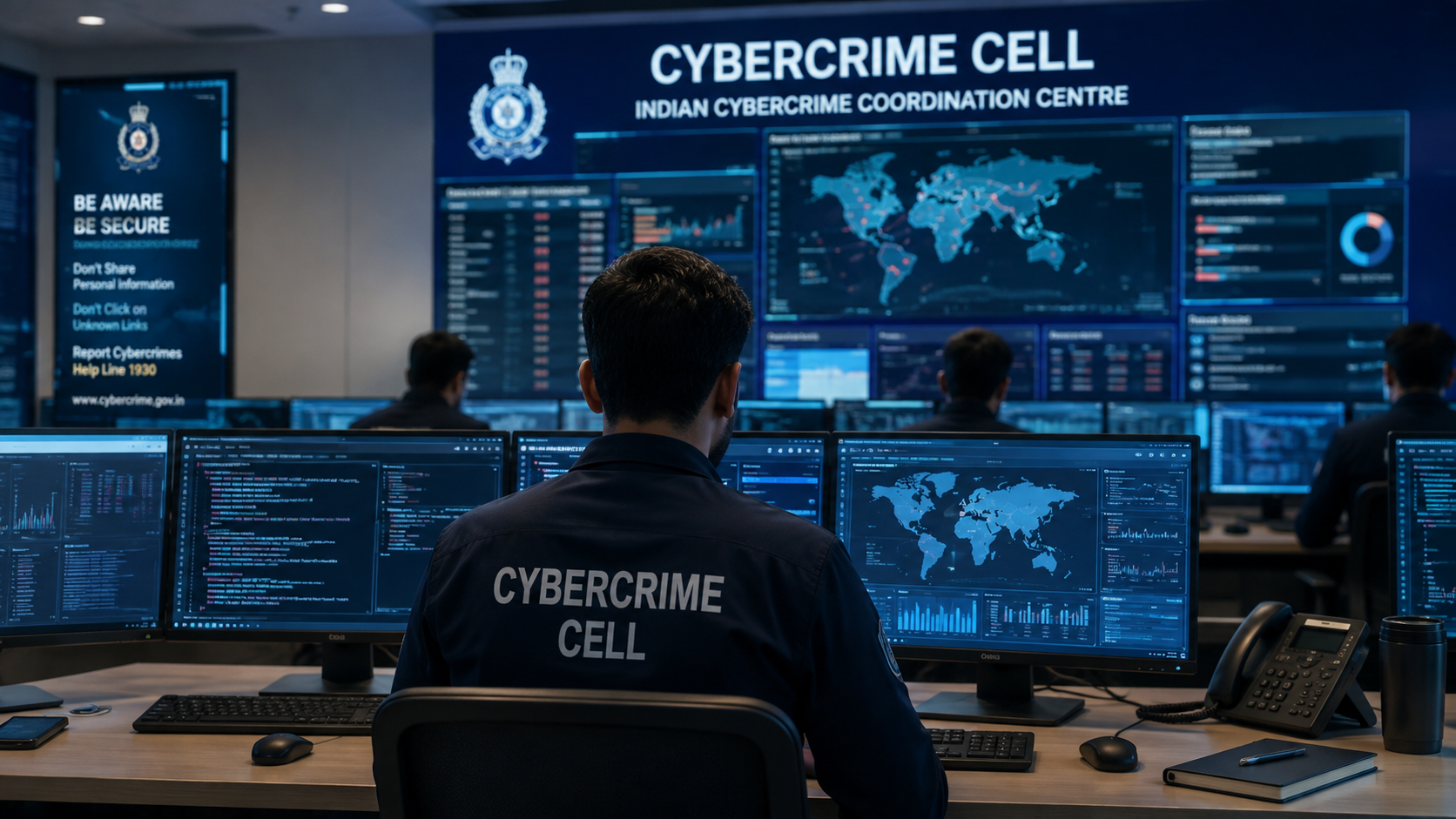
In the unfortunate incident of money being already sent, call the National Cyber Crime Helpline at 1930 immediately and file a report at cybercrime.gov.in within the first hour.
FAQs
What is an AI voice cloning scam call?
It is a fraud call where scammers use AI to copy a real person’s voice and use it to trick their family into sending money urgently.
How much audio do scammers need to clone a voice?
Scammers can create a convincing fake voice using as little as three seconds of a person’s audio, often taken from social media or WhatsApp voice notes.
Why are voice cloning scams rising so fast in India?
The combination of instant UPI payments and large amounts of personal voice content shared online makes Indian users an easy target for this scam.