Whenever a new flagship from an Indian brand shows up, our expectations are usually well, restrained, for the lack of a better word. We usually look forward to good value, reliable fundamentals, and a device that does not slip up in the essentials. I approached the Lava Agni 4 with that same mindset, expecting a phone that fits its price rather than one that shakes things up. But after using it for a while, those assumptions started to shift.
The Agni lineup has always been Lava’s attempt to carve out a more premium identity, and with the Agni 4, I feel the company is closer than ever to that goal. This isn’t a phone that leans on flashy gimmicks. Instead, it’s built around a simpler and more refined philosophy that focuses on what you actually use every day.
Design
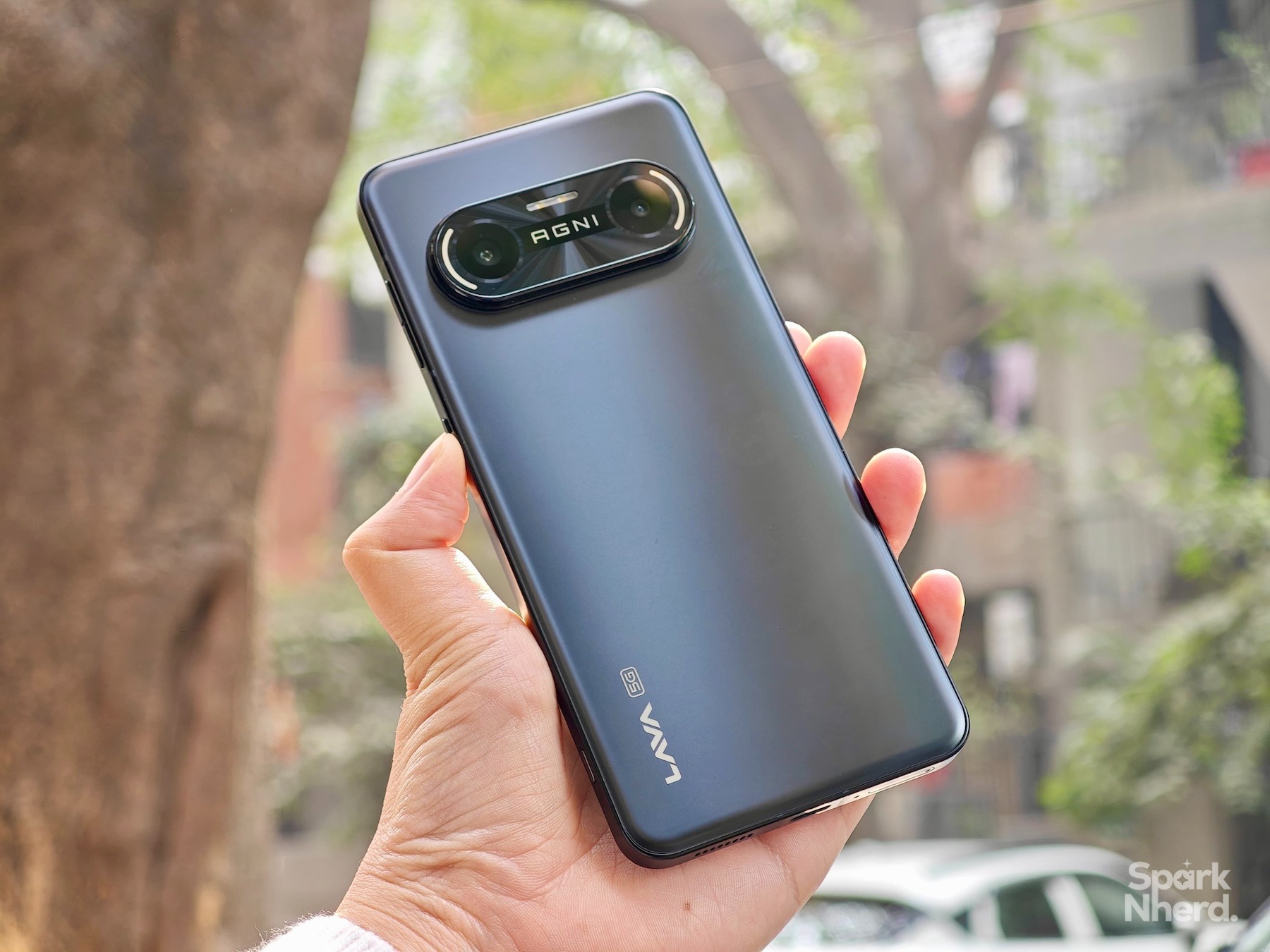
The first impression of any device comes from the build quality and the design, and with the Agni 4, Lava has set itself apart right away. While many phones in this segment lean on shiny plastic to look premium, the Agni 4 uses a real aluminium alloy frame. And in my hand, this frame instantly felt sturdier, no hollow or toy-like sensation here.
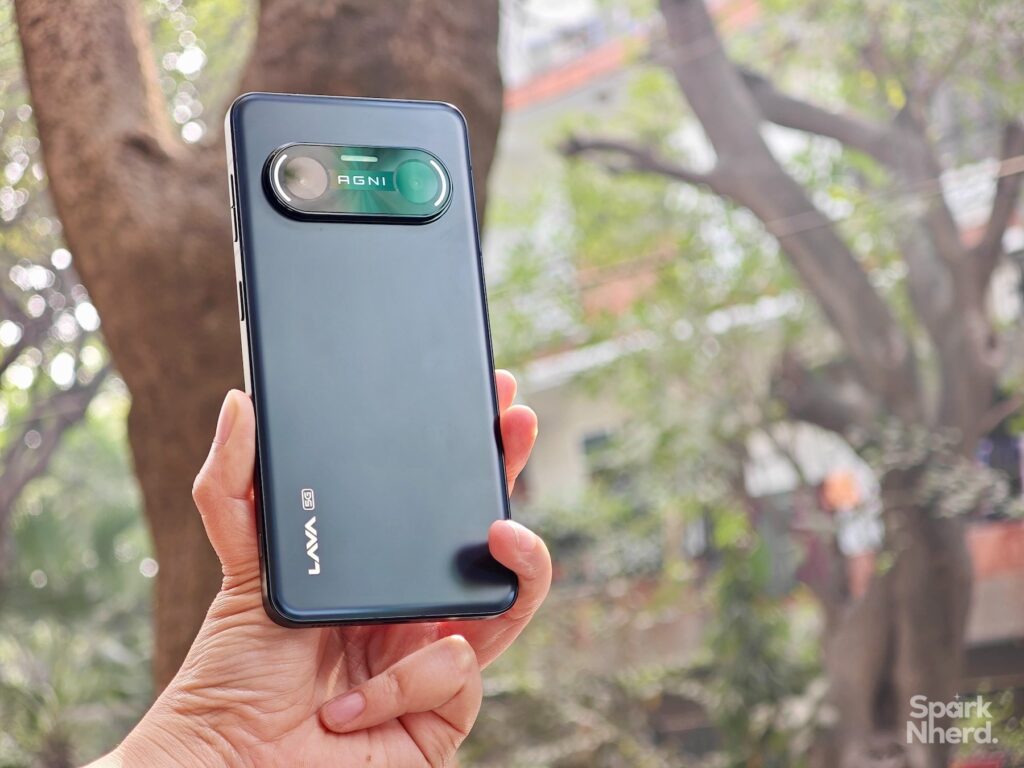
The matte AG glass back adds a nice texture and keeps smudges to a minimum. Up front, the 1.7 mm equal bezels create a clean and symmetrical look. With Gorilla Glass protection and an IP64 rating, the phone can handle light rain and everyday knocks without fuss.
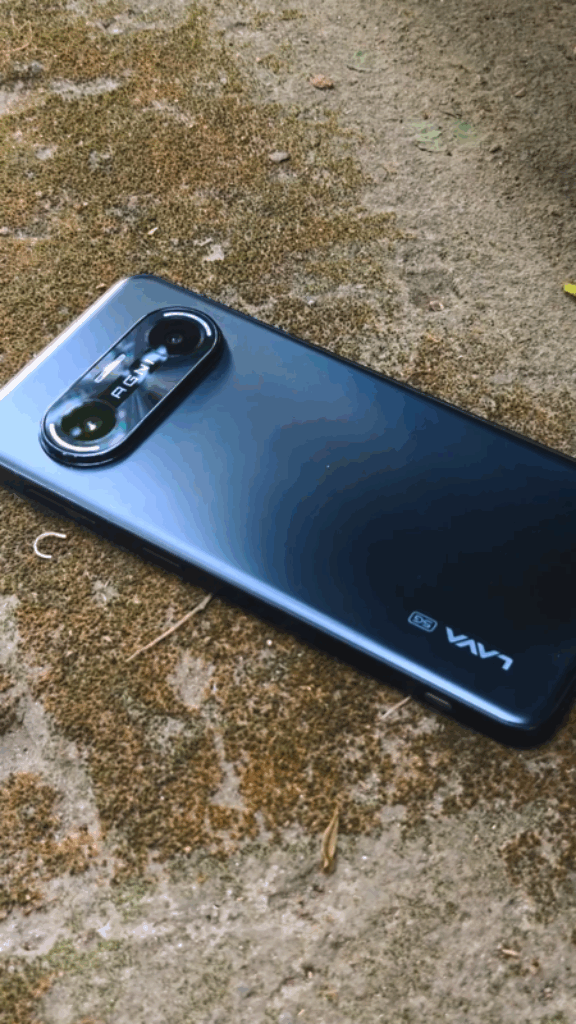
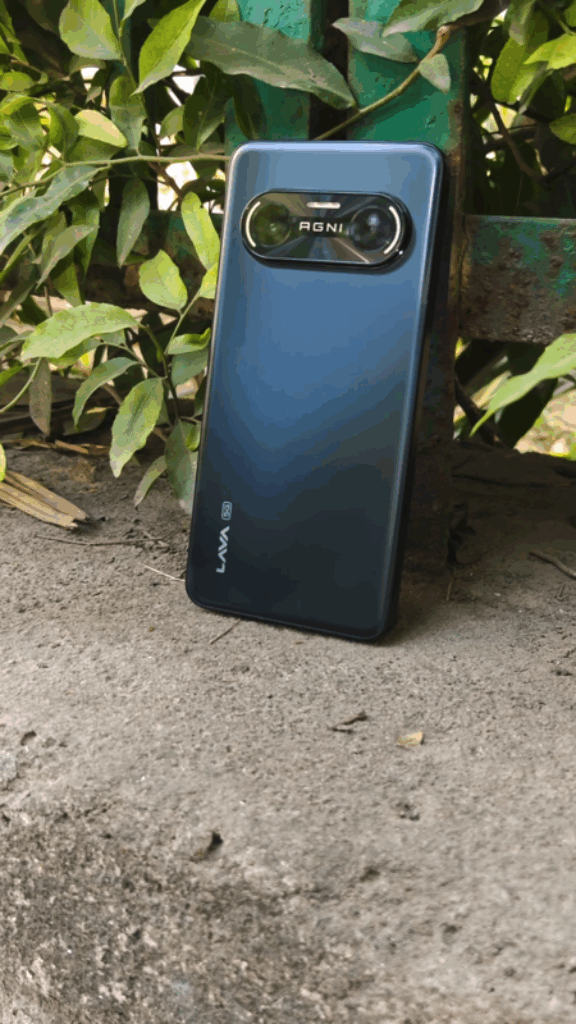
More importantly, there’s no loud design language here — just clean lines, balanced weight, and a reassuring solidity that’s rare at this price.
Display
The Agni 4 packs a 6.67-inch 1.5K AMOLED display that immediately stands out for its clarity. The 120 Hz refresh rate keeps the UI feeling fluid, and the claimed 2400-nit peak brightness translates to excellent outdoor visibility.
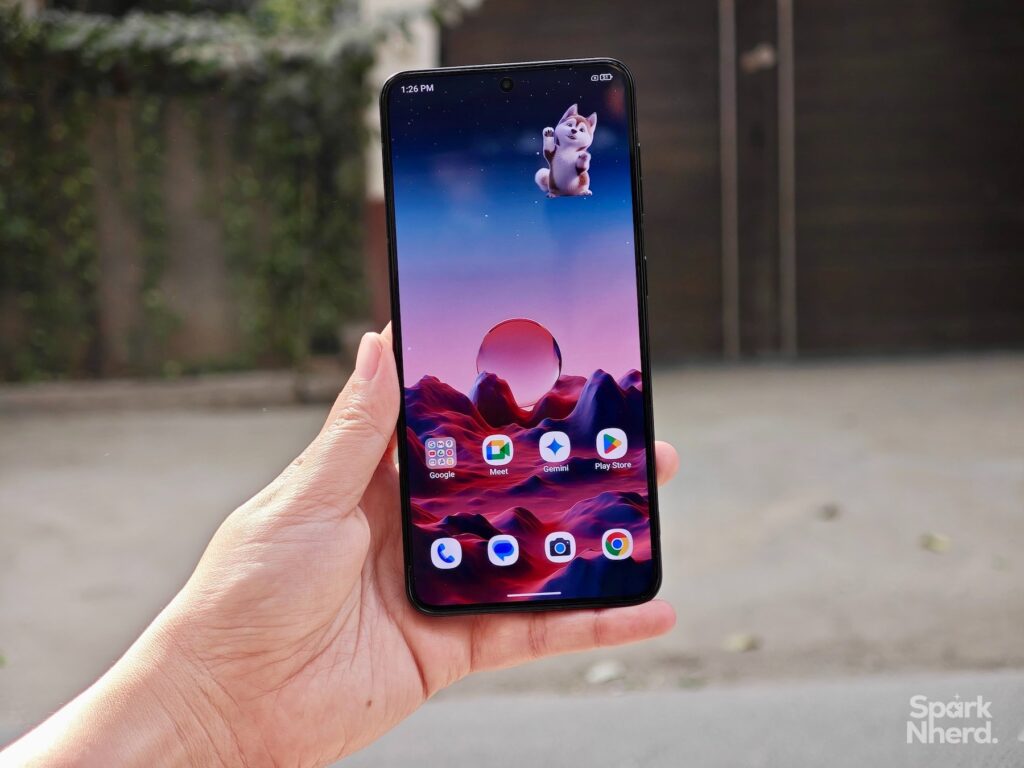
Colors look natural, details are sharp, and the 10-bit panel adds depth to media. For reading, watching videos, or everyday scrolling, the display feels consistent.
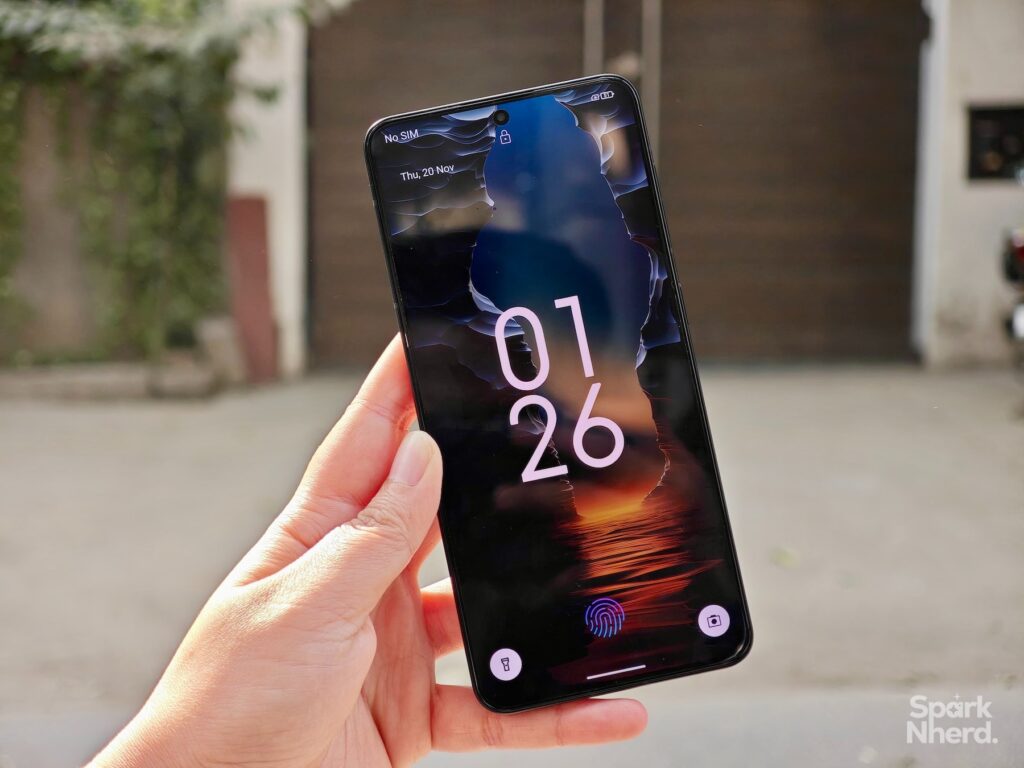
If you ask me, the display is better than what you usually get in this range. In fact, I won’t be lying if I said that the display even edges into premium territory.
Performance
Running on the MediaTek Dimensity 8350, the phone doesn’t sound like a performance monster on paper. However, the real-world usage paints a different picture, with the Agni 4 hitting over 1.4 million on AnTuTu. And well, this score is surprisingly high for this bracket.
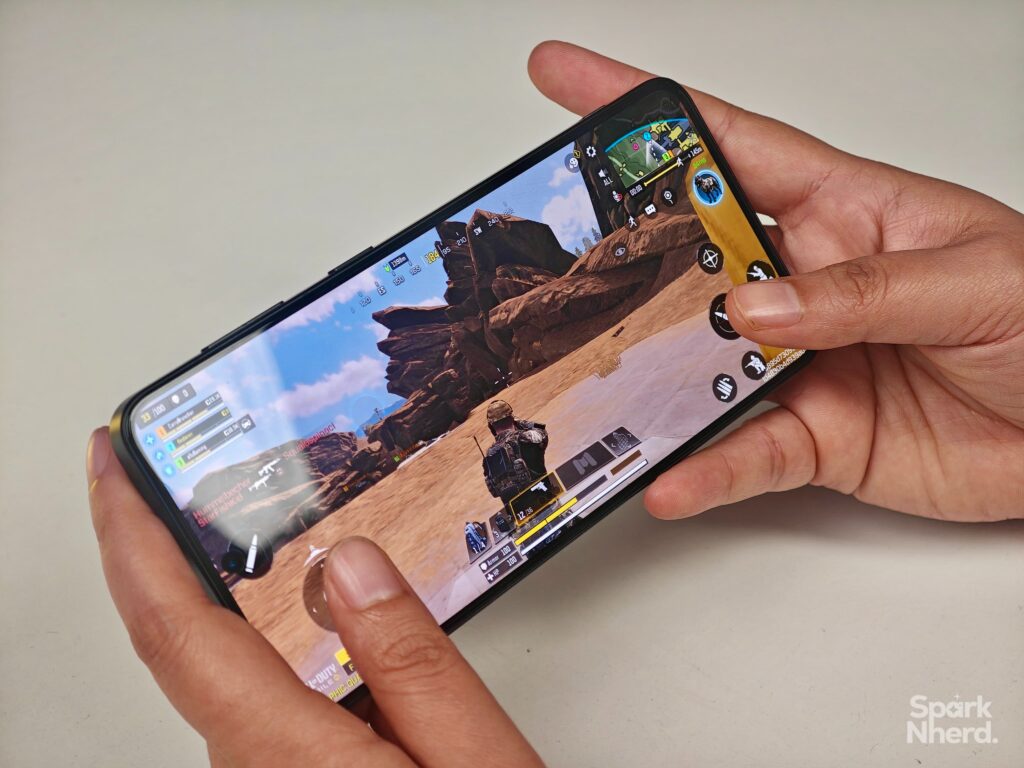
Pair that with LPDDR5X RAM and UFS 4.0 storage, and the phone feels snappy. This translates to app opening fast, smooth multitasking, and a responsive UI. The 4300 sq-mm vapor chamber also keeps thermals stable during gaming or long sessions.
In everyday use, it remains cool and predictable, the kind of performance you can trust rather than worry about.
Cameras
When it comes to the cameras, the Agni 4 keeps things simple with a 50 MP OIS main sensor and an 8 MP ultrawide sensor. Here too, the focus is consistency over gimmicks.
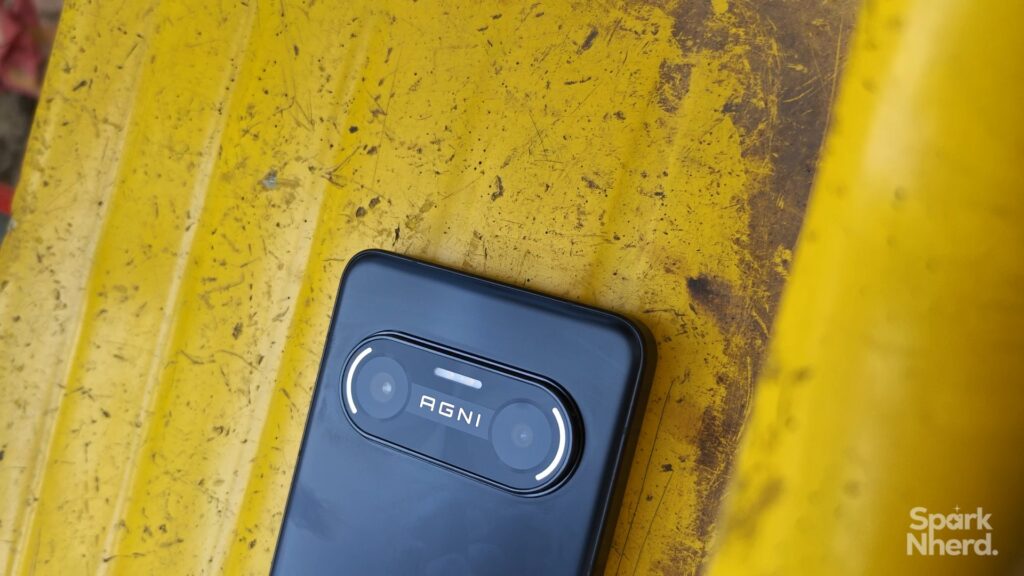
Daylight shots come out sharp with controlled highlights and natural colors, nothing overly boosted. Dual conversion gain helps in low light, improving dynamic range and reducing noise.
Both front and rear cameras support 4K 60 fps video, something you rarely see even in higher-priced phones. The 50 MP front shooter with EIS is a solid deal, especially if you are a content creator who is just starting out.
Apart from the above, there are other useful extras like document correction and dual-view recording that feel practical and convenient. That said, watch out for this space for a more detailed review with photo samples.
AI Features
Vayu AI acts more like a built-in assistant instead of an add-on. It sits on the home screen and helps with tasks like toggling settings, launching apps, summarising calls, editing text, and more.
You also get specialized AI agents a math tutor, English tutor, text editor, image generator, and photo editor. These feel more user-centric rather than generic “AI demos.”
The real win is accessibility. Everything is right there without signing up for separate services or hunting through menus.
Battery
The 5000 mAh battery delivers what you’d expect for a full day of moderate to heavy use. Lava claims up to 14 hours of YouTube playback, and early use suggests strong power efficiency. With 66 W fast charging, the phone hits 50% in under 19 minutes.
It’s too early to say how the smartphone measures in the power efficiency department or how long can it sustain with longer screen-on-time.
Software
The Agni 4 ships with clean stock Android 15, and this translates into no bloatware, no duplicate apps, and unnecessary clutter. Naturally, this helps keep things smooth and keep notifications manageable.
Lava promises three years of Android updates and four years of security patches. For long-term buyers, that’s a big plus. The doorstep replacement policy for manufacturing defects is another reassuring touch.
Early Verdict
So that concludes our Lava Agni 4’s first impressions. It gets the basics right and then goes a little beyond. Its design feels premium without trying too hard, the display punches above its segment, and the performance is better than the spec sheet implies.
The cameras focus on reliability, and the AI integration feels practical rather than performative. Add clean software on top, and Lava seems to have found a clearer vision for what an Indian flagship can be when it prioritises the essentials.
Lava Agni 4: FAQs
What is the Lava Agni 4’s price in India?
The base variant of the Lava Agni 4 price is set at Rs. 22,999 in India.
What are the Lava Agni 4’s specifications?
The Lava Agni 4 is powered by a MediaTek Dimensity 8350 processor and packs a 6.67 inches display and 120 Hz refresh rate.