Over the years, smartphones have undergone significant changes, be it processors, memory, storage, or the cameras. And one of the factors that has seen significant changes is the display. This small piece of tech shapes how videos look, how games feel, and even how we perceive the overall polish of a device.
When talking of flagships, a true flagship-grade display is not just about looking bright or sharp. Instead, it is about balancing performance, efficiency, and visual comfort through well-engineered hardware and smart software optimization.
So let us see what sets a flagship display apart from the rest.
The Evolution of Displays
To appreciate what defines a flagship display, let us see how far we have come in this journey. If you recollect, the earliest mobile phones used monochrome LCD screens, and you could barely see the simple text and icons.

After that came colored TFT displays followed by LED and OLED panels. These two display technologies marked a significant turning point in this industry. And in 2010, Samsung introduced the Super AMOLED display, raising the bar another notch. The Super AMOLED display, along with its deep blacks and higher contrast ratios, not only uplifted the visuals but also proved to be energy efficient.
At the same time, 720p and 1080p panels gave way to Quad HD, and FHD screens were the talk of the town. In fact, a majority of the flagship phones today come with FHD and 1.5K displays.
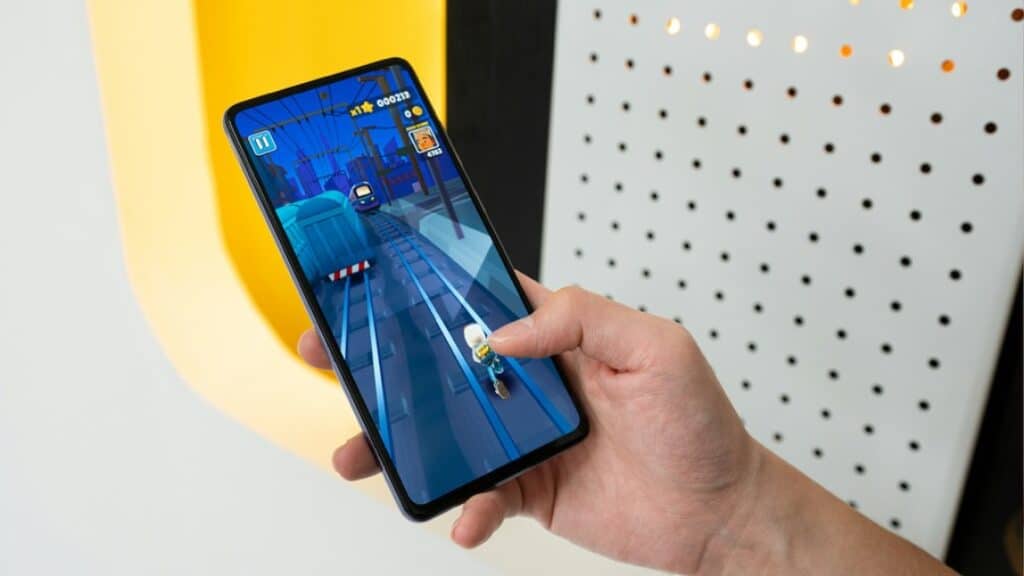
Additionally, refresh rates climbed up. From the mere 60 Hz in early smartphones, we now see even budget phones rocking smooth 120 Hz displays. And let us not forget how HDR has made viewing experiences more immersive. All these factors combine to give you a visual experience that is not only about raw numbers but also about the synergy between display hardware, power management, and adaptive software.
Brightness and Clarity
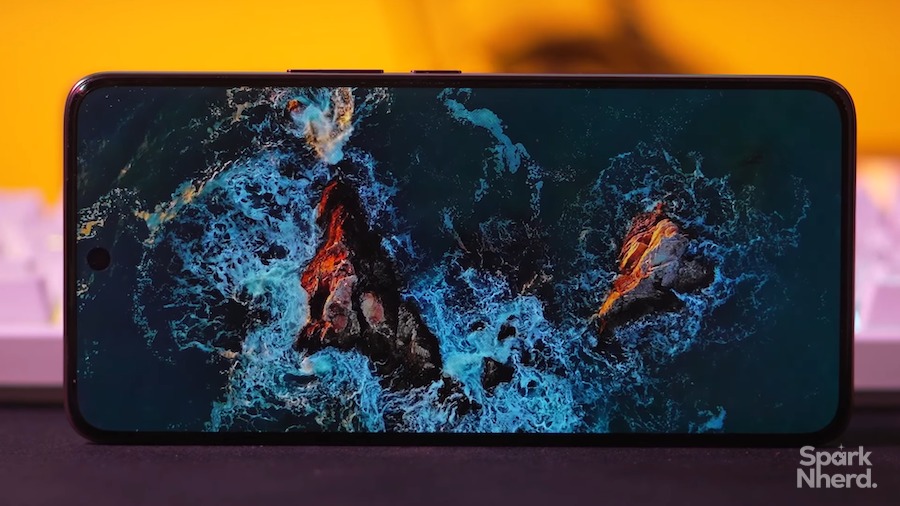
When it comes to brightness, a flagship-grade panel should deliver enough luminance to stay perfectly legible under direct sunlight while at the same time maintaining deep contrast indoors.
Usually, top-tier displays today can reach peak brightness levels of around 2000 nits or higher. At the same time, color accuracy is of utmost importance. Flagship displays on smartphones cover wide color gamuts such as DCI-P3 or Adobe RGB.
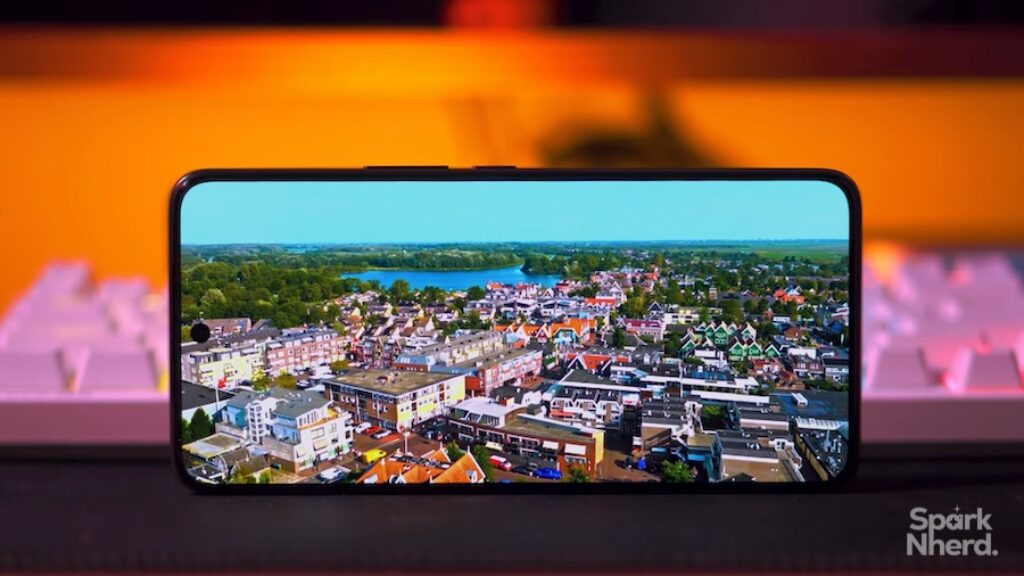
Needless to say, these deliver lifelike tones irrespective of what you are doing. So be it streaming a movie, editing a photo, or watching general content on your phone, a true flagship-grade display will show the color as-is while ensuring that the reds are not oversaturated, whites do not appear bluish, and dark details remain visible.
Refresh Rate and Smoothness
High refresh rates used to be only a gamer’s purview. Thankfully, things have changed now, and a display with a 120 Hz or 144 Hz refresh rate has become a regular thing, especially in the mid to premium segment.
Needless to say, it makes scrolling and animations appear exceptionally smooth. Paired with adaptive refresh rate technology, flagship screens can dynamically reduce the rate when displaying static content, improving battery efficiency without compromising on fluidity.

This combination of responsiveness and efficiency differentiates true flagship displays from mid-tier ones that simply boast high refresh rates without intelligent optimization.
HDR and Dynamic Range
Now, let us talk about HDR. Flagship-grade displays support multiple HDR formats such as HDR10+, Dolby Vision, and HLG, and this helps determine how well the display handles a wider dynamic range of brightness and richer color depth.
In a nutshell, HDR is not just about vividness. It is about realism. For example, when light reflects off a car’s surface, an HDR-supported flagship panel will deliver those small details.
Resolution and Pixel Density
Resolution still plays an important role, but it is no longer just about being the highest number. Most premium smartphones today feature Full HD+ or Quad HD displays with pixel densities above 400 pixels per inch (PPI). And phone manufacturers often balance resolution with power consumption. For instance, a Quad HD screen can dynamically lower its resolution to save battery, and this gives users the best of both worlds.
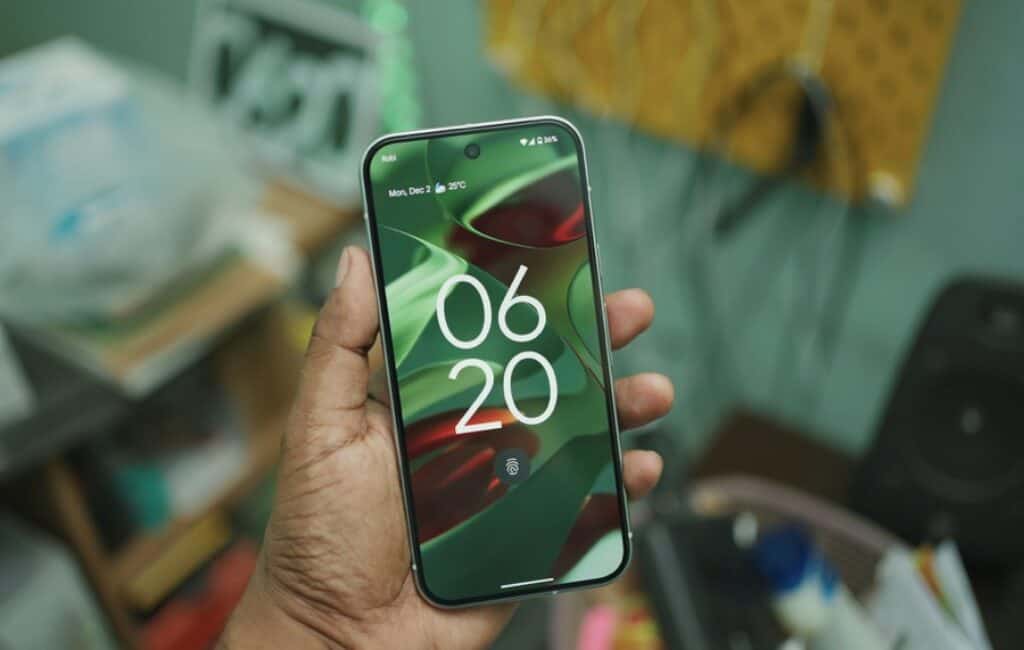
At the same time, color tuning also plays a big part in setting a display apart from the rest. However, here things play a bit differently. While some brands target natural tones, others emphasize vibrancy for visual punch. For example, Motorola focuses on Pantone-validated displays, Apple focuses on True Tone, while Samsung has its own Adaptive Display tech. While True Tone prioritizes consistency with ambient lighting, Samsung focuses mainly on aesthetic appeal.
A flagship display is thus not just bright or smooth – it is intelligent enough to adapt to the environment and the content being viewed.
Touch Response and Latency
Modern displays are not passive panels but interactive surfaces. If you remember, not too long ago, we had capacitive displays and resistive displays. Things have now changed, and now flagship-grade screens offer extremely low touch latency and high sampling rates, at times up to 480 Hz. These factors become particularly helpful during gaming when users need fast interactions.
Final Thoughts
A flagship-grade display is a perfect harmony of hardware, engineering, and visual artistry. It blends brightness, smoothness, realism, and responsiveness into a seamless experience that feels effortless yet highly advanced. As display innovation continues, what truly sets a flagship apart will not only be how good it looks. Instead, it should be how naturally it becomes part of the way we see and interact with our world.