Brief Overview
- Google’s new platform Android XR is built specifically for headsets and glasses.
- These will have built-in Gemini AI and can interpret what the wearer sees and hears.
- There is no confirmed launch date yet.
With the emerging trend of smart glasses, Google has taken another shot. And this time it’s with Android XR and Gemini AI at the core. The Android XR Smart Glasses promise hands-free and context-aware assistance that can see and hear the world just as the wearer does.
Google Android XR Smart Glasses Features
If we talk about the Android XR, it is Google’s new platform built specifically for headsets and glasses and is designed to blend digital information with the real world across an ecosystem of devices.
On the other hand, the Gemini AI becomes an on-body assistant with the smart glasses and is dedicated to freeing users from constantly reaching for their phones. This integration aims to make interaction feel more natural, even if the users are navigating city streets, attending events, or multitasking at home.

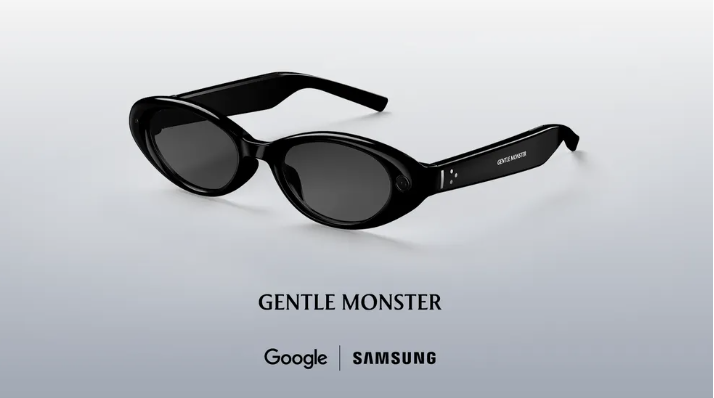
The Android XR glasses shown at Google I/O are equipped with a camera, microphones, and built-in speakers. They will be further paired with a smartphone to provide compute and app access.
The main highlight of combining these sensors with Gemini is that the glasses can interpret what the wearer sees and hears, which helps in enabling more relevant responses than traditional voice assistants.
Real-world Use Cases
If we talk about the demonstration, on stage, Google demonstrated everyday scenarios such as messaging friends on the Android XR Smart Glasses. For instance, making appointments, getting turn-by-turn directions, and capturing photos without even touching a phone.
Moreover, one of the most striking demos was live, two-way language translation, with the glasses effectively providing real-world subtitles between speakers of different languages.
Gemini’s understanding also allows the glasses to recognise surroundings, find nearby points of interest and surface timely information as users move through the world.
Making and Technology
For the long-term wearability, Google is leaning on established eyewear brands like Gentle Monster, Warby Parker and Kering Eyewear as future collaborators to broaden design options for the making of Android XR glasses.
As for the technical side, Google is extending its Android XR collaboration with Samsung beyond headsets to a shared software and reference hardware platform for glasses, with developers gaining access later this year.
Privacy, Testing and What’s Next
Given the built-in camera and always-listening microphones, Google is emphasising a product that also respects privacy for both users and bystanders. The company has started testing Android XR Smart Glasses prototypes with a small group of trusted users to gather real-world feedback before wider rollout.
While there is no confirmed launch date yet, Google says it will share more details in the coming months and is encouraging interested users and developers to sign up for updates on Android XR devices, including these Gemini-powered smart glasses.