A Brief Overview
– Silicon-carbon batteries pack 40–55% more energy by swapping graphite for a silicon-carbon anode, enabling slimmer phones with longer battery life.
– Carbon scaffolding solves silicon’s swelling problem, making the tech durable, fast-charging, and ready to scale.
– 2026 is its breakout year, with major brands already adopting it amid growing graphite shortages.
If you have been following news around tech, then you must have noticed how silicon-carbon battery technology is transforming smartphones and even EVs. And well, 2026 may be the year it goes fully mainstream. If you’ve noticed phones getting thinner while lasting longer, this is the upgrade powering that shift.
This simple tweak enables longer-lasting power for phones, EVs, and gadgets without making them feel bulkier.
What Is a Silicon-Carbon Battery?
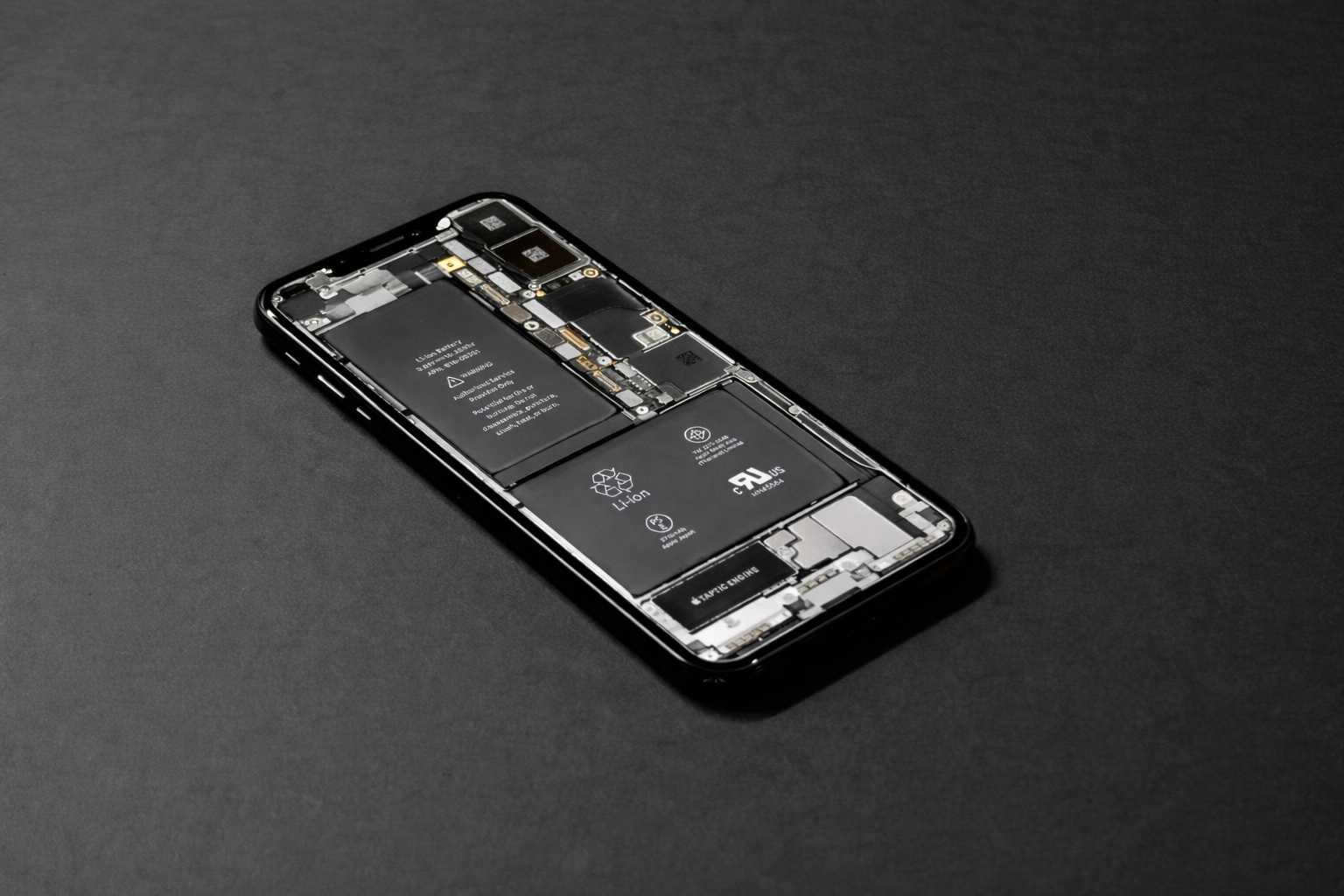
A silicon-carbon battery is an upgraded lithium-ion battery that replaces the traditional graphite anode with a silicon-carbon composite. That one material swap dramatically increases the energy limits of the battery, without adding bulk or weight.
The result is slimmer devices, longer battery life, and faster charging, all from the same familiar battery form factor.
Silicon-Carbon Battery vs. Lithium-Ion: Quick Comparison
| Feature | Lithium-Ion (Graphite) | Silicon-Carbon |
| Energy density | ~387 Wh/kg | 600+ Wh/kg |
| Anode material | Graphite | Silicon-carbon composite |
| Fast charging | Up to ~65W | 80W+ |
| Lifespan risk | Stable | Managed via carbon scaffold |
| Cost | Lower upfront | Slightly higher, falling fast |
Silicon-carbon batteries work just like regular lithium-ion batteries. They move lithium ions back and forth between a cathode (like lithium cobalt oxide) and an anode to make power.
So, the big upgrade is the anode: old batteries use graphite, which stores lithium ions at a low 1:6 ratio, capping how much power it holds.
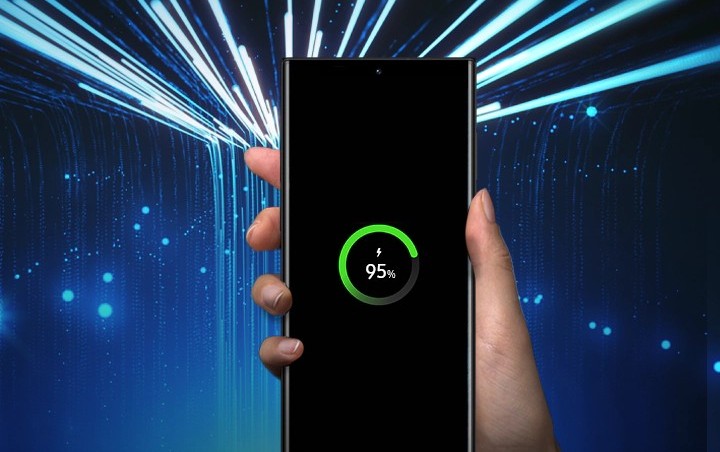
On the other hand, silicon grabs way more, with up to 15 lithium atoms for every four silicon atoms, which means jumping energy density from about 387 Wh/kg to 600 Wh/kg or higher.
🔖 Related Reading
Why Add Carbon at All?
Pure silicon has a serious problem — it balloons up to 300% when charging, and can cause cracks in the battery, thus killing its lifespan. Carbon gets added as a helper by absorbing that expansion, maintaining stability, and providing unobstructed routes for ion movement.
Key Advantages of Silicon-Carbon Batteries
The main advantage of the silicon-carbon batteries is that they can store 40-55% more energy in the same size, which means you get slimmer phones with a large battery or EVs with longer range.
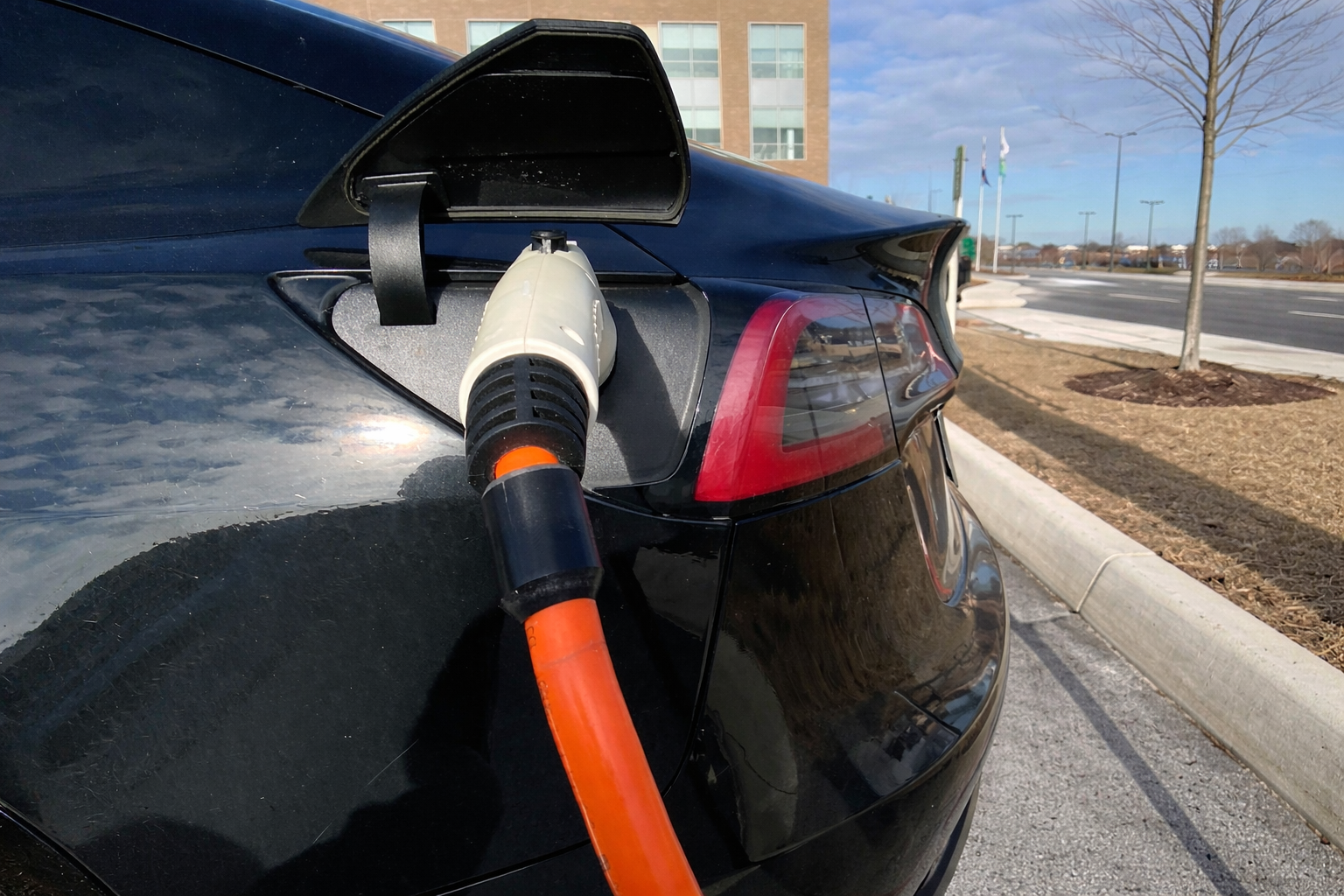
What this means is that fast charging technology also jumps and provides up to 80W+ charging support in phones. This happens due to better heat handling and no graphite slowdowns.
With this change in battery technology, the smartphones run cooler under heavy loads like gaming, which boosts performance. Other than that, Silicon is abundant and cheap compared to scarce graphite, which makes it easy for the supply chains.
Real-World Examples in 2025–2026
Naturally, smartphones lead the charge in adopting Silicon-Carbon batteries,
Oppo Find N5 uses silicon-carbon cells to achieve a 15% while thinning to 4.21mm when unfolded, and OnePlus 15 uses it to improve endurance.
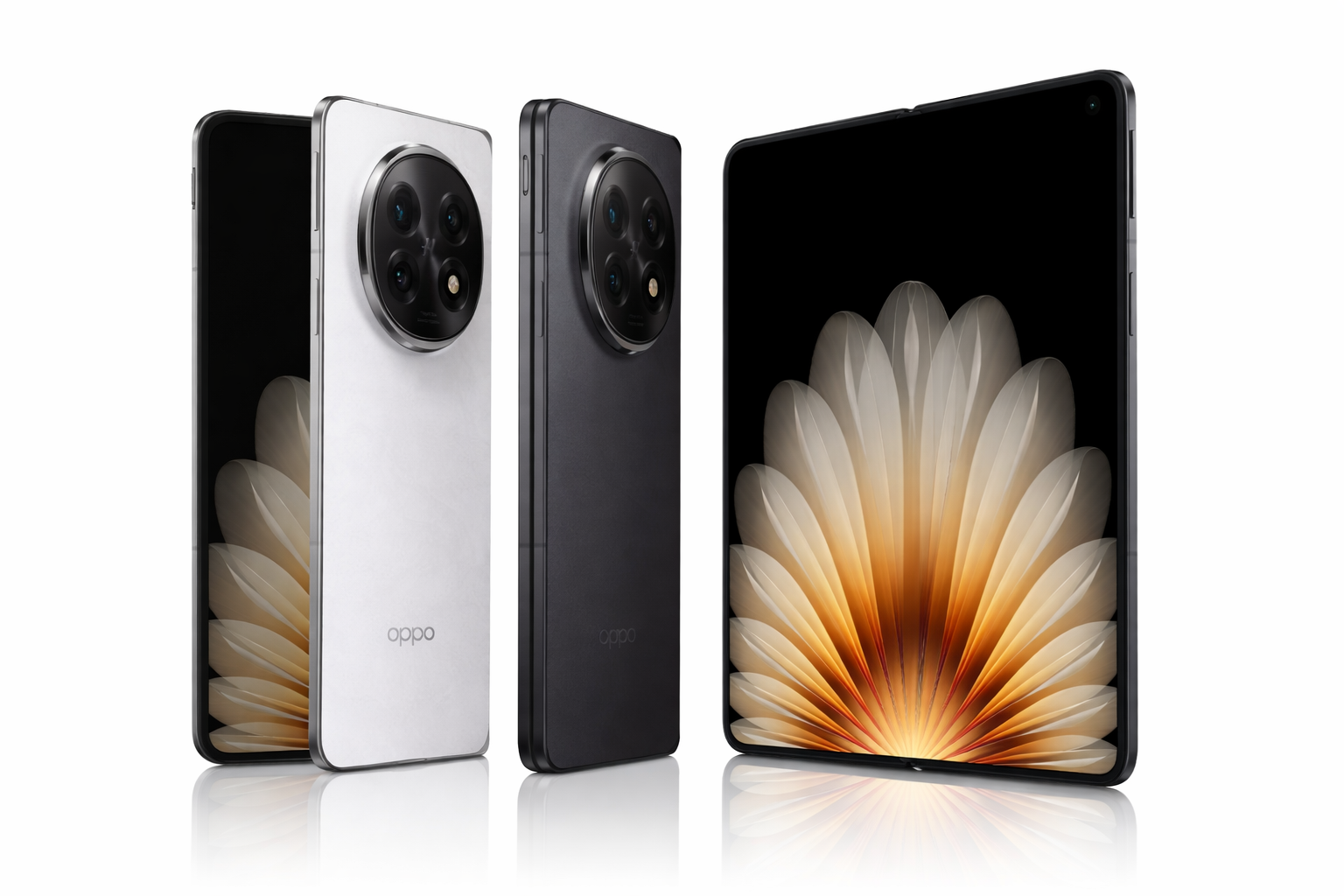
Samsung is reportedly targeting silicon-carbon for the Galaxy S27 in 2027 (and breaking their 5,000mAh ceiling).
Current Challenges (and How They’re Being Solved)
- Swelling and electrolyte leakage remain the primary engineering challenge, adding complexity and upfront manufacturing cost.
- Solutions in development include Group14’s carbon-wrapped silicon particles and Sionic Energy’s specialized binders, both designed to create stable anodes even under high heat. Crucially, these are “plug-and-play” — they require no major factory retooling, which accelerates adoption.
- Environmental concerns persist around lithium and cobalt mining, which continues to demand significant water use and carries ecological risk.
Why Silicon-Carbon Batteries Matter Right Now
As of 2026, it is expected that silicon-carbon battery tech will hit prime time this year, which will fuel AI gadgets and EVs amid graphite shortages.
The silicon-carbon batteries in phones are thinner with epic life. For tech fans, it is a quiet revolution: same chargers but much bigger power.
Silicon-Carbon Battery FAQs
What is a silicon-carbon battery, and how does it work?
A silicon-carbon battery is a new upgrade for the lithium-ion battery and fits more power in a smaller space, enabling a large battery capacity.
Is a silicon-carbon battery better than a lithium-ion?
Yes, silicon-carbon provides much more power in a battery than a lithium-ion battery, and that too in the same space.
Are silicon-carbon batteries safe?
Yes. They use the same lithium-ion chemistry as existing batteries, with engineering controls (carbon scaffolding, specialized binders) to manage silicon’s expansion behavior.
Does a silicon-carbon battery charge faster?
Yes, because silicon-carbon batteries support high capacity for fast charging.