


The global RAM shortage is no longer a secret. With AI data centres hoarding high-bandwidth memory (HBM) to keep up with the AI demand and boom, the squeeze is starting to show elsewhere, especially in the smartphone sector. Smartphone production is slowing down, supply chains are getting tighter, and the ripple effects are spreading across the entire tech ecosystem.
Apple’s top executives have acknowledged that they are dealing with the situation and are in talks with suppliers like Samsung and SK Hynix to sort out the problem. At the same time, other smartphone makers have also reported the same problem, which goes on to show that an unexpected surge in price and delay in launches is imminent.
See Also: Has Apple Finally Given Up on Apple Intelligence?
Causes of the Memory Shortage
Earlier, chipmakers had always prioritised the smartphone market for a smooth supply of RAM. But with the AI memory demand rising, chipmakers have shifted their focus towards high-bandwidth memory for AI data centres, thus leaving less DRAM available for smartphones, leading to smartphone memory shortage.
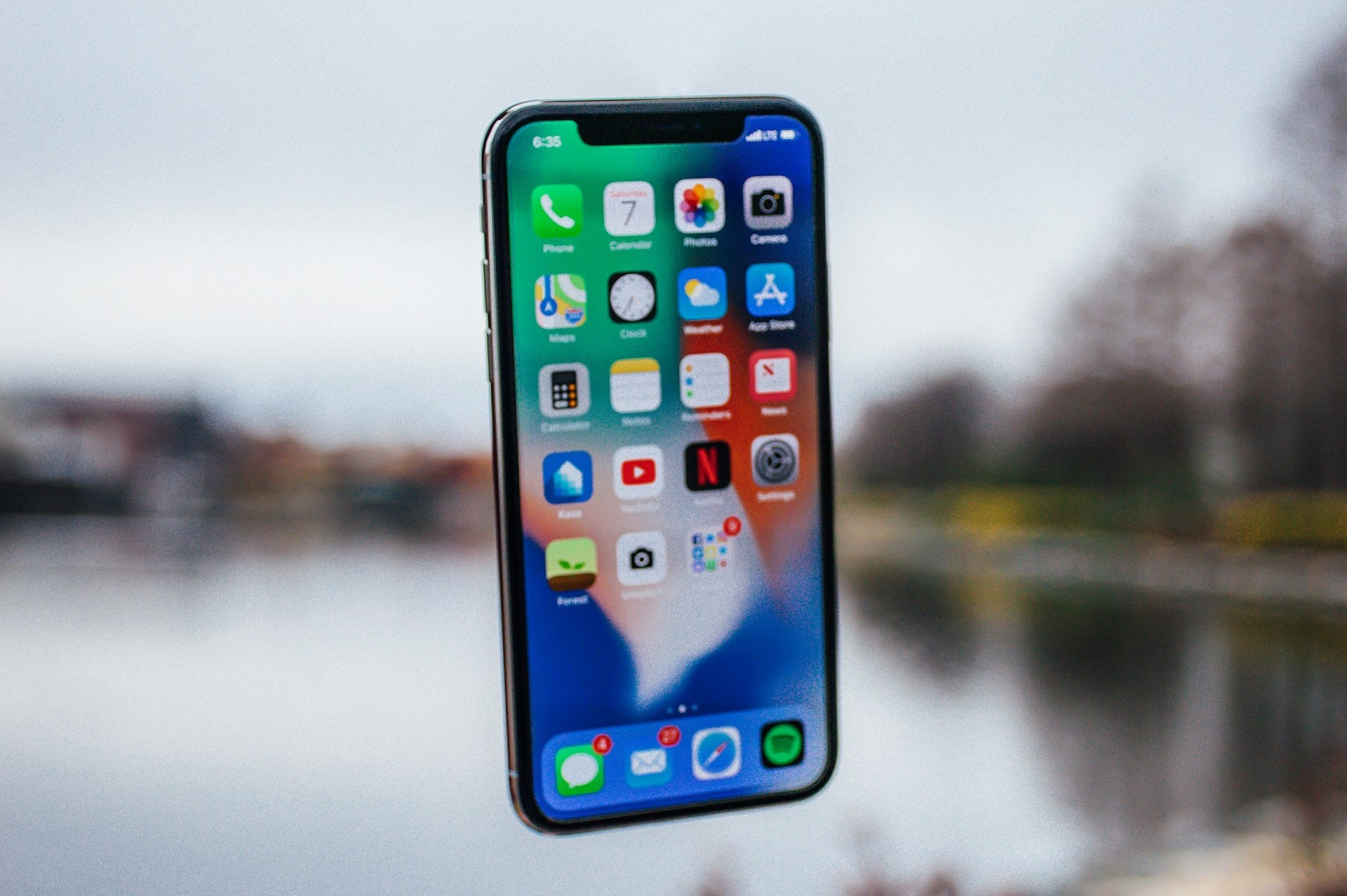
This shortage has led to a 50% surge in RAM prices that was visible in recent quarters, with a 12GB LPDDR5X module costing Apple around $70 (INR 6,500).
If the shortage continues, then it will become difficult for the smartphone makers to provide new smartphones on time, and even if they launch the device, will they be able to supply the customers with the smartphones on time?
Apple’s Response Strategies
To cover the hardware cost surge, Apple is also boosting its services revenue, like Apple Music and iCloud, to offset hardware expenses.
Other than that, to secure the supplies, Apple recently dispatched a team to South Korea for extended stays near the supplier factories, as they are expected to negotiate a multi-year contract for mobile DRAM.
According to the rumours, Apple is shifting its quarterly price and plans to absorb the RAM cost hike internally, but is ready to keep the price of iPhone 18 stable. To cover the hardware expenses, Apple is increasing its services revenue, such as Apple Music and iCloud.
See Also: Why Smartphone Battery Capacities are Getting Bigger
Potential Impacts on Smartphones
If we talk about the industry-wide impact, then we can expect an increase in the material cost of up to 25%, which can result in price hikes of the smartphones if the shortage continues. RAM plays a crucial role in smartphone manufacturing, and any delay can quickly snowball into postponed production timelines, even for devices that have already been announced.

In some cases, this could also push smartphone brands to cut a few corners, whether that means lower memory variants, limited availability at launch, or staggered rollouts across markets
A major DRAM shortage impact is the slowdown in production. Apple is one clear example. The company has reportedly delayed the launch of the iPhone 17e due to the ongoing RAM shortage. Samsung is facing similar challenges with the Galaxy S26 series, expected around February 2026.
This can be a serious concern for the future; if the shortage continues, there is a high chance that there will be challenges ahead for the smartphone industry.
FAQs
Will premium smartphones get more expensive due to memory shortages?
Yes, there are chances that there will be a surge in the prices of smartphones due to a memory shortage.
What is causing the memory shortage in smartphones?
The recent memory shortage in smartphones is caused by chipmakers shifting their focus towards high-bandwidth memory (HBM) used in AI data centres.


